The Story
Why it exists.
The beginning
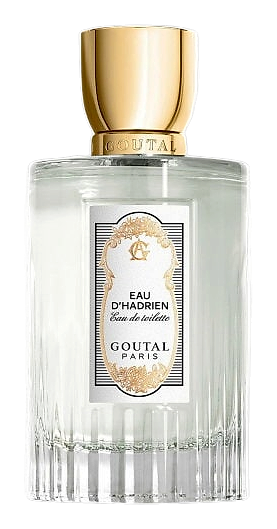
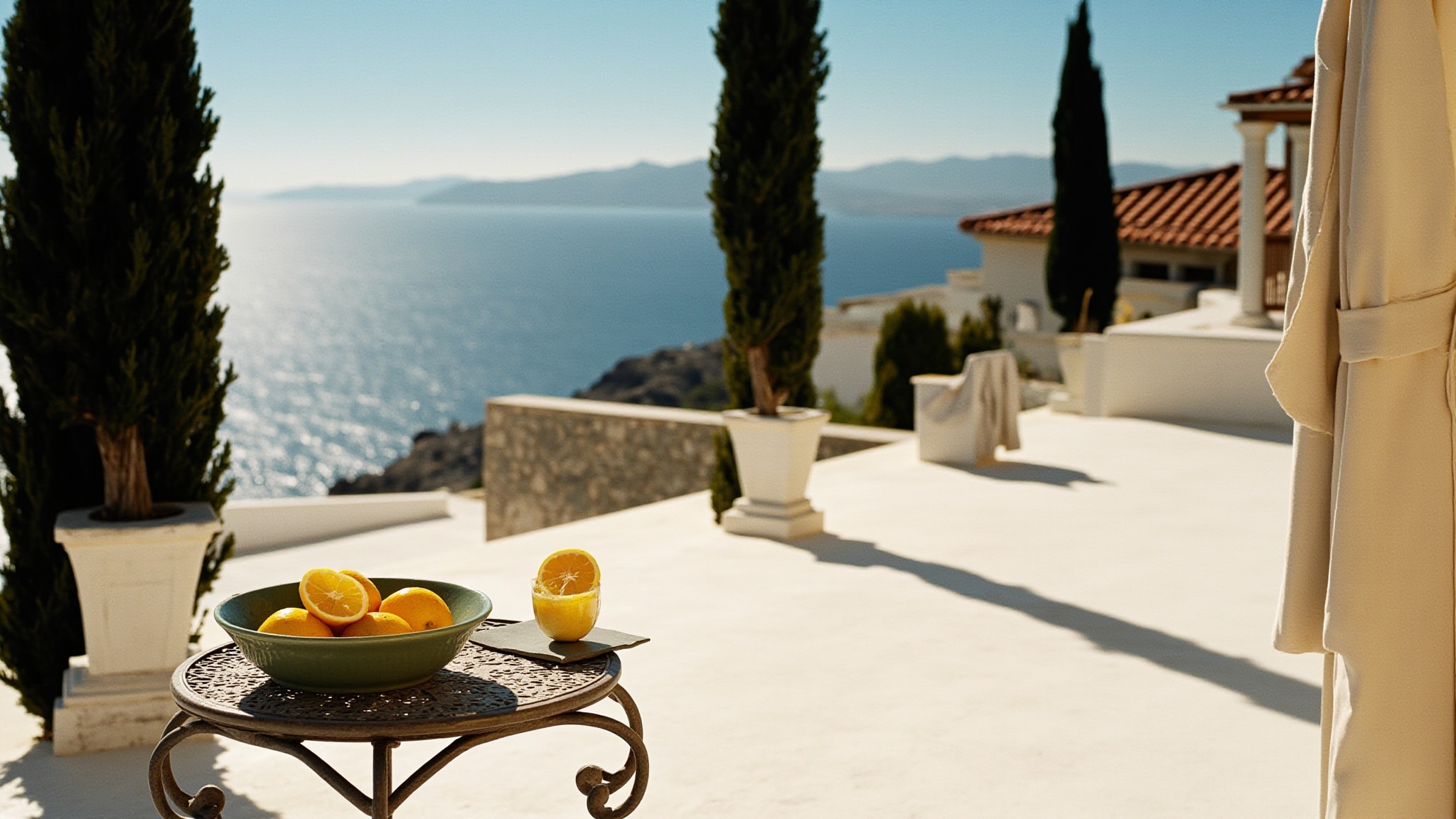
Eau d'Hadrien was built from memory. Annick Goutal drew from her time on the French Riviera, translating the light and air of that coastline into a formula anchored by Sicilian citron and Calabrian bergamot. The name refers to Hadrian's Villa at Tivoli, the Roman Emperor's retreat built around water and cypress. Goutal found something similar in the Mediterranean: warmth filtered through green shadow, brightness that didn't overwhelm. Francis Camail collaborated on the composition, though Goutal's hand is in every layer. Released in 1980, it became the house's first signature and the proof of concept for everything that followed.
The aldehydes are what set it apart from a standard citrus. Most compositions in this family use brightness as a trick, a opening statement that clears the way for something heavier. Eau d'Hadrien keeps the aldehydes throughout the top phase, letting them shimmer alongside the lemon and grapefruit rather than surrender immediately. The result is a citrus that feels more composed than casual. At the base, cypress and ylang-ylang add a warmth that Mediterranean brightness alone can't sustain. It's the structure that makes it memorable: the way the formula holds itself together rather than simply arriving and departing.
The evolution
The opening announces itself immediately. Citron, bergamot, and grapefruit arrive clean and crystalline, with the aldehydes lending a lifted quality that makes the citrus feel sharper than it has any right to be. This phase lasts perhaps thirty minutes before the heart begins to emerge. The juniper and Italian green mandarin arrive quietly, adding a cool, almost resinous quality that shifts the temperature downward. The citrus doesn't disappear, but it shares the stage. This middle passage is where the fragrance earns its reputation for elegance. The drydown is where cypress takes over. Warm and woody, it anchors the composition as the citrus fades and the ylang-ylang adds a faint tropical sweetness beneath. Musk keeps everything close to the skin. By the final hour, the sillage is intimate, barely present, but the memory of the cypress lingers like the smell of a room someone just left.
Cultural impact
The 2008 FiFi Award Hall of Fame induction confirmed what the fragrance had already proven through decades of wear: this was a composition that refused to date itself. Rather than chasing the aquatic or ozonic trends that defined the decades after its release, Eau d'Hadrien held its ground as a reference point for what citrus could be when it refused to be casual. The structure, the aldehydes, the cypress drydown became a template for how to build a refined citrus without surrendering complexity.