The Story
Why it exists.
The beginning
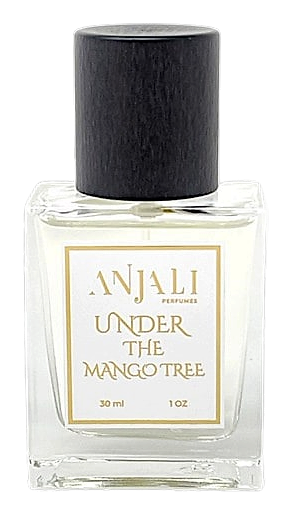
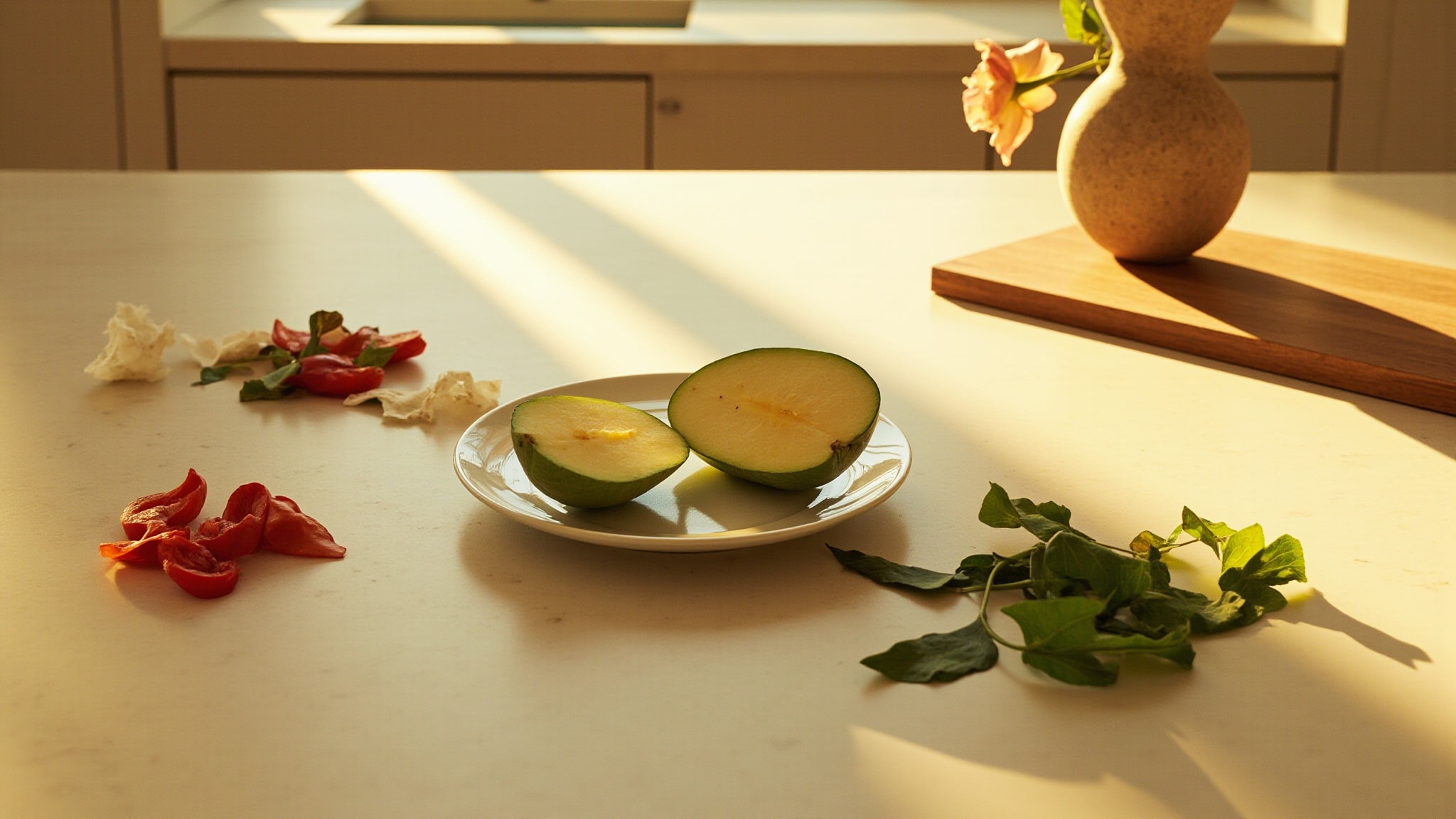
The name says everything. Under the Mango Tree is Anjali Vandemark's attempt to capture not the mango itself, but the air around it, the moment before the fruit ripens and everything changes. Vandemark grew up in Nagpur, India, where mangoes are a seasonal fact of life, where orchards have a smell as distinct as any neighborhood. Under the Mango Tree is her olfactory translation of that setting: green mango skin, tomato leaf, the garden below the canopy, the hyper-realistic scent of a tree that hasn't yet given up its fruit. This is memory translated without losing its edge.
The note structure is where this fragrance earns its reputation. Green mango skin is a notoriously difficult material to render convincingly, most mango accords lean ripe, syrupy, almost caramel-adjacent. Anjali went after the skin instead, that waxy green layer with its tannic, slightly astringent quality. Tomato leaf reinforces the effect, adding a savory garden note that most perfumers avoid because it's difficult to balance. Together they create something specific rather than generic. The conifer base, balsam fir, pine, hay, sawdust, is what makes it last. Not just longevity, but completeness. A fragrance this green could easily feel one-dimensional.
The evolution
The opening hits immediately. Green mango skin, grapefruit, bergamot, that bright tartness that tastes like summer hasn't arrived yet. Thirty minutes in, the tomato leaf softens as the wild rose and rose water move forward. The composition breathes. It becomes less aggressive, more textured. By the second hour, the conifer base arrives: balsam fir, pine, hay, sawdust. That forest-floor quality. It lingers close to the skin for the next three to four hours, intimate, quiet, different from the opening in a way that rewards patience. On fabric, the conifer holds longer. The mango fades faster on dry skin, but the fir and pine usually compensate.
Cultural impact
The independent artisan fragrance community has responded with consistent enthusiasm. Community ratings place this among the stronger releases in the Bainbridge Island catalog, with particular praise for the mango accord's specificity. The combination of green mango skin and tomato leaf is distinctive enough that wearers describe it as a conversation piece, not because it's loud, but because it's specific. People ask what it is. That specificity is the point. In a fragrance landscape where mango often means sweet, syrupy, and indistinct, Under the Mango Tree commits to an unripe, tannic, hyper-realistic interpretation that reads as green without reading as generic. It's the kind of fragrance that defines a perfumer's point of view.
The House
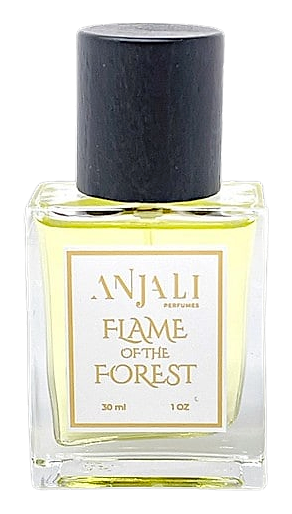
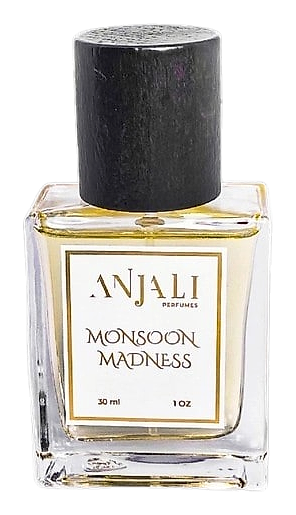
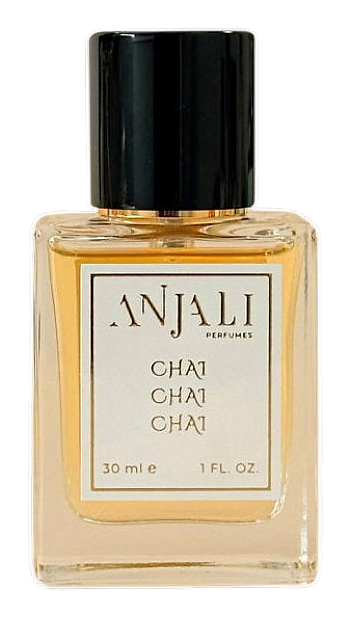
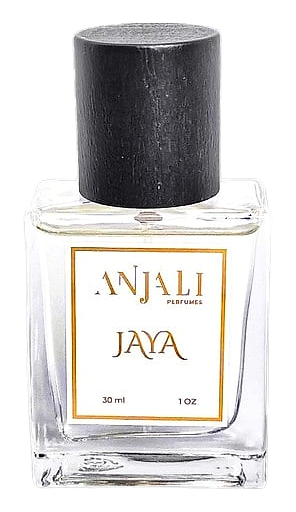
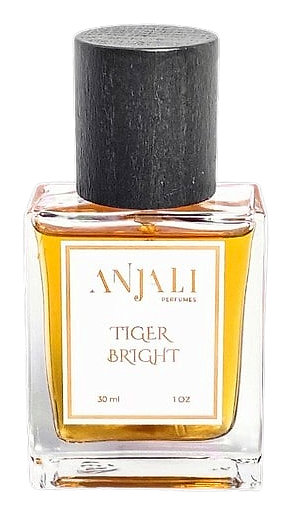
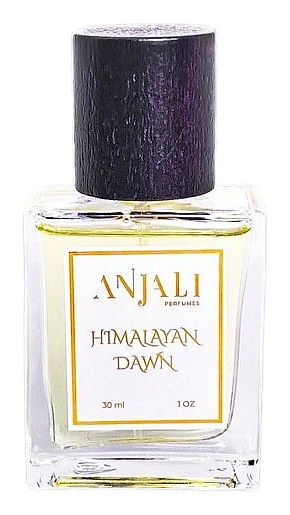
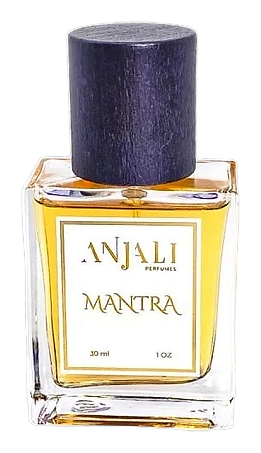
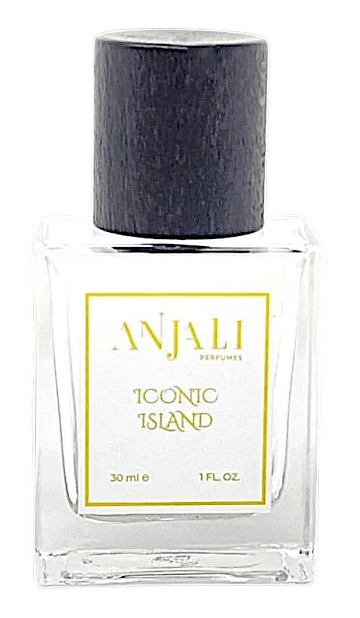
Anjali PerfumesAnjali Perfumes is an independent artisan fragrance house founded by self‑taught perfumer Anjali Vandemark. Based in Bainbridge Island, Washington, the label creates small‑batch scents that pair each olfactory composition with a piece of original artwork. The brand draws on Indian cultural motifs, memories of travel, and a love of visual art to craft fragrances that feel both personal and exploratory. Its catalogue includes releases such as Monsoon Madness (2021), Flame of the Forest (2023) and Chai Chai Chai (2025), each presented in a minimalist bottle that showcases the accompanying illustration. Anjali Perfumes positions itself at the crossroads of scent and visual storytelling, offering collectors a curated sensory experience.
The Creator
Anjali VandemarkAnjali favors natural extracts and essential oils, often layering citrus top notes with heart accords of rose, jasmine or mogra. She anchors many creations with warm spices such as saffron, cardamom or clove, then grounds them with woods like sandalwood or cedar.