


Heritage
A house, in its own words
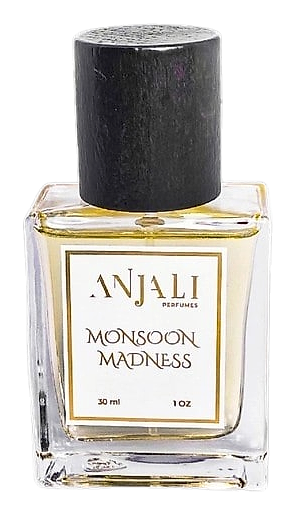
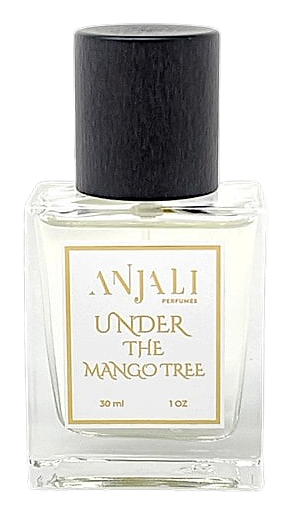
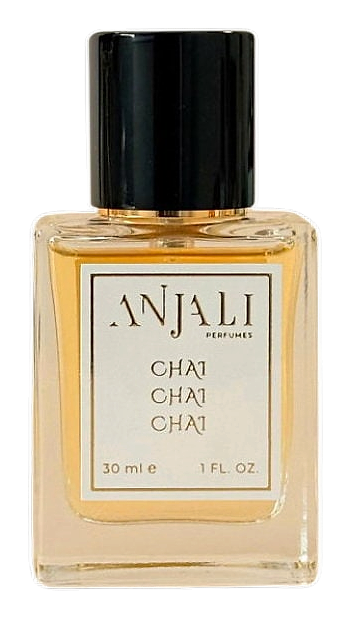
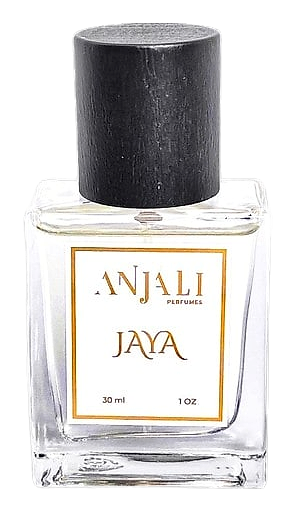
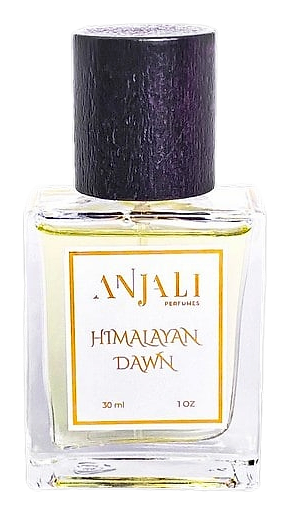
Anjali Vandemark grew up in Nagpur, India, before relocating to the Pacific Northwest, where she established her own studio on Bainbridge Island. Without formal training, she taught herself the chemistry of perfume, eventually launching Anjali Perfumes as a fully independent operation. The brand’s early years focused on experimenting with scent narratives rooted in Indian heritage, translating childhood memories of monsoons and spice markets into aromatic form. In 2021 the house released three debut fragrances—Monsoon Madness, Tiger Bright and Himalayan Dawn—marking its entry into the niche market. The following year saw the introduction of Jaya and Mantra, expanding the line’s thematic range to include spiritual and botanical inspirations. 2023 brought two notable additions, Flame of the Forest and Under the Mango Tree, both of which were paired with bespoke illustrations that accompanied the perfume packaging. In 2025 the collection grew with Chai Chai Chai, a tribute to the Indian tea ritual. Alongside product launches, Anjali Vandemark earned a spot in ÇaFleureBon’s American perfumer series, listed as the 159th perfumer, a recognition that highlighted her growing reputation among independent creators. Throughout its development, the brand has remained committed to small‑batch production, ensuring each release is limited in quantity and accompanied by a scent strip and artwork, reinforcing the idea that fragrance can be both smelled and seen. The creative vision at Anjali Perfumes centers on translating personal memory, travel, and Indian cultural motifs into scent. Vandemark describes her work as an olfactory translation of moments—rain on a tin roof, the heat of a mango orchard, the aroma of chai brewing in a kitchen. This narrative‑driven approach treats each fragrance as a story chapter, with the accompanying artwork serving as a visual footnote. The brand values authenticity, opting for hand‑crafted formulations rather than mass‑production shortcuts. Sustainability and responsible sourcing are implicit goals, though specific supply‑chain details are kept low‑key, reflecting the studio’s modest scale. Community engagement appears in the form of discovery sets that invite collectors to explore multiple scents before committing to a full bottle, encouraging a thoughtful, personal relationship with perfume. By marrying scent with visual art, Anjali Perfumes seeks to engage both the nose and the eye, fostering a holistic sensory experience that feels intimate rather than commercial.