
The Story
Why it exists.
The beginning
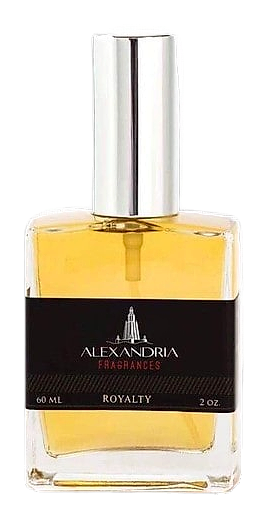
Royalty exists because someone at Alexandria Fragrances looked at the idea of oud and thought: this needs to breathe. Hany Hafez built the 2018 composition around a tension, the crispness of citrus and pink pepper meeting the quiet authority of cedar, anchored by dark agarwood in the base. The name is the brief. Not loud luxury. Something worn, not displayed. The fragrance translates regal as composure rather than ornamentation, a quality Alexandria pursues across its catalog: compositions that reward attention rather than demand it.
What makes Royalty structurally interesting is the hand-off between phases. The citrus-pepper opening arrives with real brightness, bergamot, lemon, pink pepper working in concert, but it clears quickly, giving cedar uninterrupted command of the heart. Galbanum adds a green, slightly medicinal cut that keeps the cedar from going pencil-shaving sweet. Angelica bridges the transition, its aromatic warmth threading into the base where agarwood, musk, and sandalwood settle. The result is a fragrance that reads very differently in year one versus hour three. Two scents, one bottle.
The evolution
The first minutes belong to citrus and pepper, a bright, almost sharp opening that announces presence without forcing it. Bergamot and lemon carry the light; pink pepper adds a faint warmth underneath. Five to ten minutes in, the citrus recedes and cedar takes over completely. This is the phase people talk about: dry, masculine, woody without being sweet. Galbanum keeps it honest, a green edge that stops the cedar from ever becoming cozy. By the time the agarwood arrives in the base, the fragrance has shifted from airy to grounded. Musk and sandalwood smooth the finish, keeping the oud from becoming heavy. Sillage drops to intimate by the second hour. Longevity holds a full workday on most skin types, and on fabric the scent can be detected the next morning.
Cultural impact
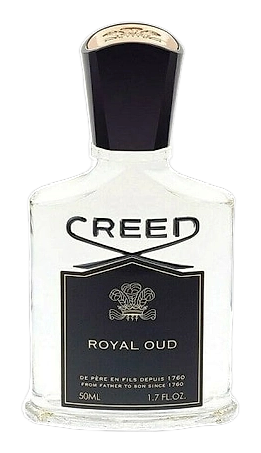
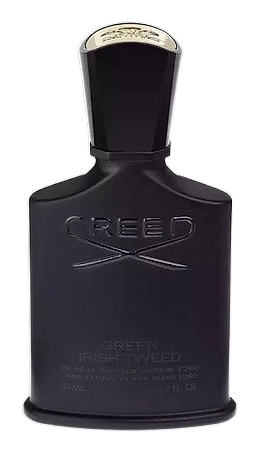
Royalty sits within the wave of oud-forward compositions that defined niche and Middle Eastern-influenced perfumery through the late 2010s. As an inspired-by composition drawing from Creed Royal Oud, it speaks to a moment when accessible interpretations of premium oud aesthetics reached Western audiences. The fragrance occupies a specific position: for collectors who already know what they want from a woody, cedar-forward scent and want it without ceremony.