The Story
Why it exists.
The beginning
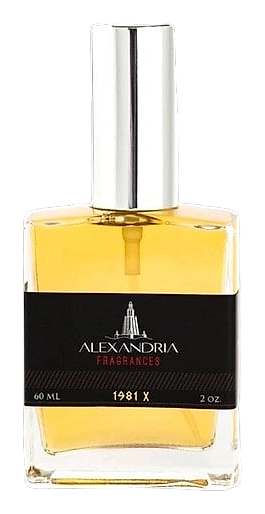
1981X takes its name from the year the Mediterranean city of Alexandria was founded, or more precisely, from the city's ancient position as a crossroads of trade, culture, and scent. Hany Hafez built this fragrance as an homage to that legacy: honey and tobacco referencing the spice routes, vanilla and jasmine carrying the warmth of the Levantine coast. The number isn't a date. It's a coordinate.
What makes 1981X work is the way honey bridges the opening and the base. Lemon and bergamot arrive bright and sharp, but within minutes the honey is already threading through, smoothing the citrus, giving the jasmine something to hold onto. The tobacco doesn't arrive all at once. It rises slowly, from the bottom, as the honey begins to settle. By the time vanilla arrives, the whole composition has shifted from bright to warm, from citrus to resinous. Cashmeran is the quiet operator here, it adds a skin-like warmth that makes the drydown feel worn rather than applied.
The evolution
The opening hits sharp: lemon and bergamot compete for attention, with lavender hovering just beneath. Thirty minutes in, the honey thickens everything. The citrus doesn't disappear, it sweetens, like fruit left too long in the sun. By the second hour, tobacco arrives quietly, not dominating but settling in alongside the vanilla. The cinnamon adds a warmth that reads as spice without fire. The drydown is where 1981X earns its reputation: tobacco and vanilla, close to the skin, projecting moderately but lasting eight to ten hours on most skin types. Cashmeran lingers longest, that skin-warm quality that makes people lean in without knowing why.
Cultural impact
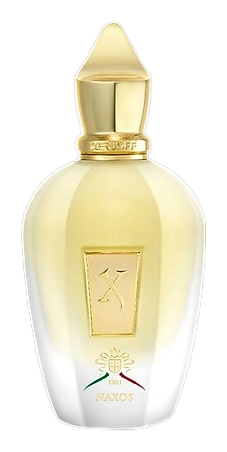
1981X has found its audience among collectors who want the Xerjoff Naxos experience without the Xerjoff price. Community reviews consistently mention the resemblance in the drydown, particularly the tobacco-vanilla phase, making this a practical alternative for the serious collector who has already found what they were looking for.