
The Story
Why it exists.
The beginning
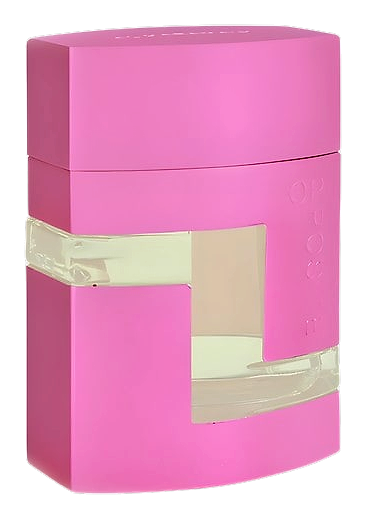
The brand's own poem says it plainly: charm, tenderness, romance in the air. Someone walking in and leaving something behind that lingers. Not a loud entrance. Something softer, more specific. The powder-forward structure was intentional, shaping the fragrance into a delicate, lingering impression. The scent invites you to notice what remains after she passes, the subtle trace that stays with you, wrapping the space in quiet elegance.
What makes Opposite Pink interesting isn't any single note, it's the way the composition connects florals to warmth. In this composition, the heart's florals meet the base's richness. Heliotrope adds sweetness that amplifies the powder. Jasmine brings complexity to the heart. Tuberose contributes a lush floral quality. The coconut-vanilla combination in the base is where the fragrance tips into gourmand territory, but never fully crosses. The powdery character keeps it grounded, balanced by deeper notes that add richness without heaviness.
The evolution
The opening hits with aldehydes and orange, a quick bright spark that dissipates. The real structure arrives as fruity notes recede and powder builds. Heliotrope and tuberose create the heart's warmth, sandalwood smoothing the transition. The base is where it lives long-term: coconut cream, vanilla, tonka bean's coumarin sweetness, soft musk, amber, and cedar that keeps everything from going flat. The fragrance develops into a warm, skin-close presence that remains present throughout its wear.
Cultural impact
Opposite Pink occupies a unique position in the feminine fragrance landscape: powdery-gourmand with enough depth to feel modern, sweet enough to feel feminine, restrained enough to feel wearable. This powder-forward approach feels confident and distinctive. It's a fragrance that fits comfortably into daily life without asking for attention.