The Story
Why it exists.
The beginning
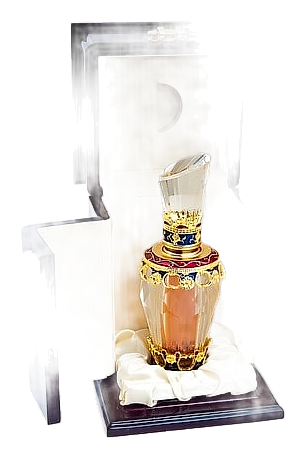
The title points you toward the fragrance's intention before you even spray it. Al Maha translates to the oryx, a creature emblematic of the Arabian Peninsula and long woven into the visual and poetic vocabulary of the Gulf. Al Haramain Perfumes, a house with deep roots in Arabian perfumery, has cultivated a sprawling catalog of oud-led and oriental compositions. Khaltat Al Maha, by that naming logic, suggests something shaped from or dedicated to that spirit of the Arabian landscape, the kind of phrase that pulls a fragrance into the territory of heritage and place. The exact release year remains undocumented in available sources.
What separates this from a more traditional oud-rose template is the way it opens. Khaltat Al Maha bursts with aldehydes, bergamot, and fruit, including plum, mango, and orange, brightened with lime and sage. That lift gives the heart space to develop gradually. By the time saffron and oud arrive, they land on skin that has already been prepared by brightness, which makes the transition feel like a deepening rather than a crash.
The evolution
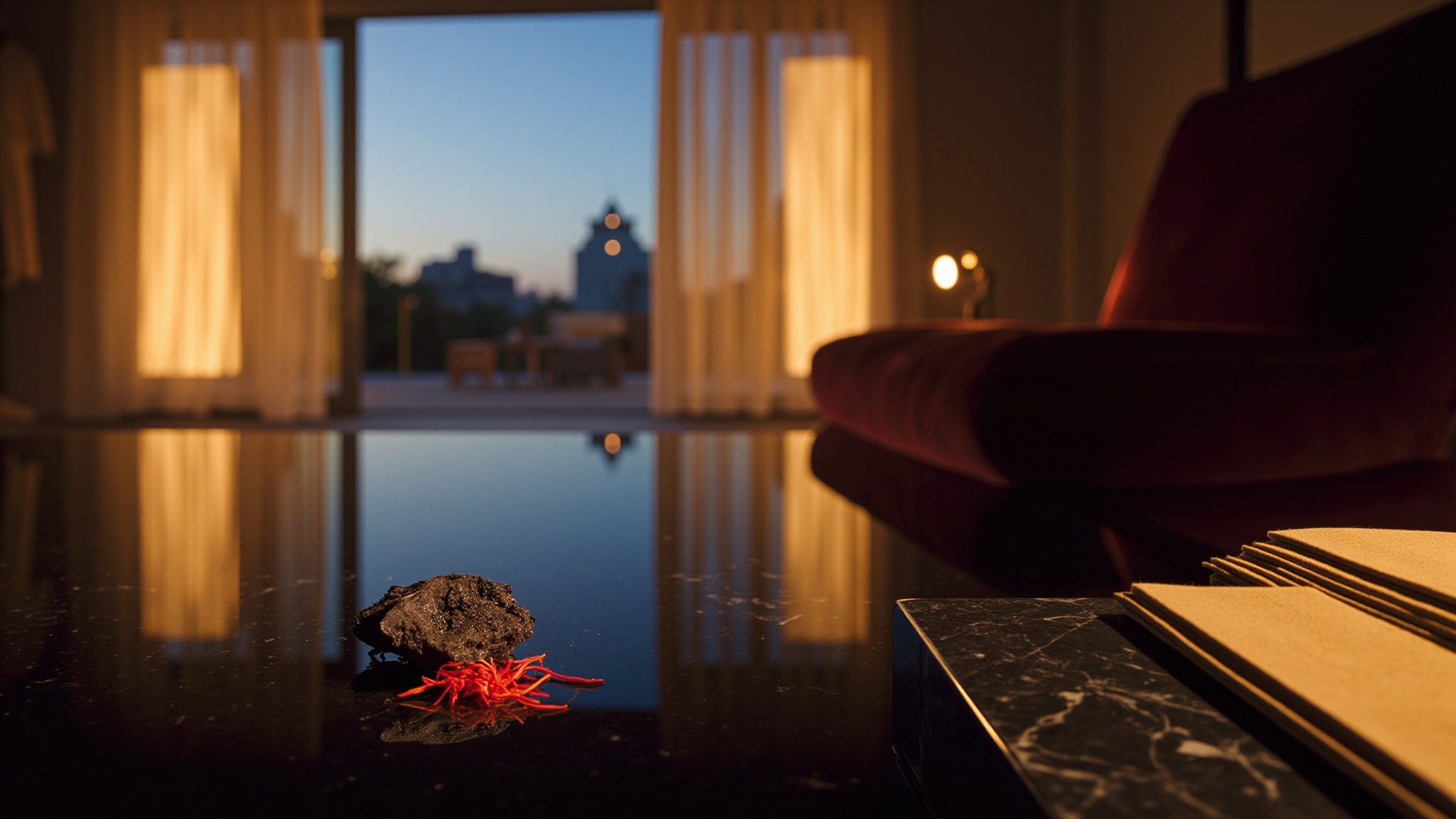
The first fifteen minutes belong to the fruit and aldehydes, and they announce themselves. Plum and orange sweetness, cut with the cold sparkle of bergamot and lime, and underneath, the green herbal pull of sage and geranium. It smells closer to a cologne than to an oud fragrance, and that is the trick. Then the shift. Around the twenty-minute mark, the rose shows up, not delicate, but full and saturated, threaded with saffron's dry metallic heat. Oud enters soon after, not as a wallop, but as a deepening of the wood, sandalwood first, then the resinous agarwood character growing louder. The metallic gleam that runs through the heart carries into the base, where cypriol, cedar, and moss give the oud a darker, slightly earthy cast. Patchouli adds shadow, and tonka bean with vanilla keep it from going dry. Musk settles in last, skin-close and warm.
Cultural impact
Khaltat Al Maha sits within Al Haramain's broader body of work as an oriental-woody composition that borrows from both classical Gulf traditions and more contemporary Western stylistic gestures. The aldehyde-led opening represents a layering choice that bridges two worlds: the bright, sparkling, slightly abstract lift of mid-century European perfumery married to the syrupy, fruit-rich, and resinous heart that defines much of modern Arabian fragrance.