The Story
Why it exists.
The beginning
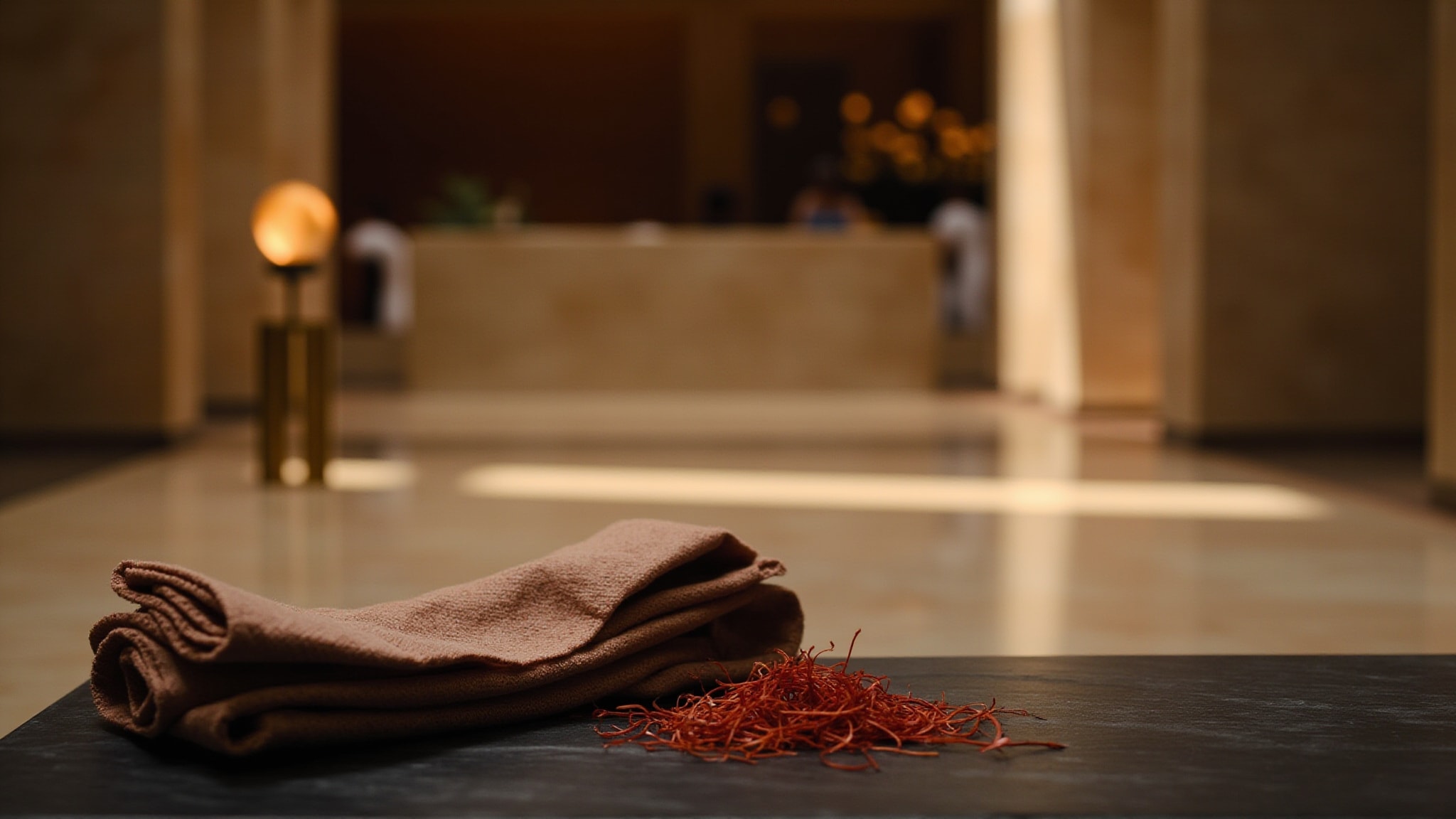
Batoul carries an Arabic name with resonance, and the composition leans into what the house does best: dense, resinous warmth built on layers of wood and spice rather than florals. It reads as a study in restraint and texture, the kind of fragrance that doesn't announce its category so much as wear it quietly. The saffron at the opening carries a brittle, almost metallic snap, the kind of spice that cuts before it comforts. Underneath, there's something soft but stubborn, a warmth that doesn't soften on contact but instead waits you out. The wood reads structural, dry, and deliberate, less a backdrop than a frame for everything else happening on top of it. Al Haramain has built a reputation around this kind of composition, and Batoul fits that lineage without repeating it.
What makes Batoul interesting isn't any single note. It's the negotiation between them. Saffron at the top reads expensive and slightly metallic, the kind of opening that signals intent before settling into anything wearable. Cashmere wood in the heart smooths everything out, which is unusual. Cashmere wood is quieter, almost velvety, and it lets the leather next to it breathe instead of overpowering it. There's a tactile quality to the way these materials meet, as though you're watching fabric unfold rather than listening to a chord resolve.
The evolution
The opening hits sharp and dry, almost peppery before the saffron rounds into its full character. Spicy and woody notes crackle at the edges, and the whole composition arrives with presence rather than suggestion. Anyone within arm's length will catch it as the top notes do their work, projecting with a confidence that borders on assertive before the softer materials begin to surface. As the initial sharpness recedes, the leather steps forward and the cashmere wood starts absorbing some of that first impact. The composition softens into something warmer, less angular, the structural edges rounding off without losing their shape entirely. The saffron gradually recedes into the background, leaving behind a suede-like impression that lines the composition from the inside, giving it a tactile softness without slipping into comfort. The vanilla arrives quietly and never announces itself.
Cultural impact
Batoul reads more like a reference point than a statement, the kind of composition that earns trust quietly over repeated wears rather than demanding attention on first encounter. It rewards wearers who already trust the brand's oriental house style, and it wears with quiet confidence rather than flash. There's something dependable about how it presents itself, an absence of performance that makes it easy to reach for again and again. It doesn't need to explain what it is because its materials speak clearly on their own terms. Less a headline, more a reliable voice in the back of the room that turns out to be the one you remember.