
The Story
Why it exists.
The beginning
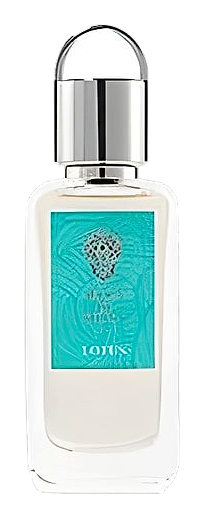
Lotus by Acqua di Stresa draws its name directly from the flower at its center, and the composition follows through with water lily set against aquatic notes. The scent sits between a fresh floral veil and a softer, watery bloom. Aquatic notes give it an open, cool lift, while the water lily keeps the whole thing anchored in something recognizably floral rather than abstract. There's a clarity to the opening, the kind of clean, weightless impression that suggests a petal resting on still water. As the fragrance develops, the water lily unfolds with a quiet softness, less crisp and more rounded, until the initial coolness settles into a calm, continuous floral presence.
The interesting part is the contrast. Lotus can read as sheer and weightless, but the water lily at its center adds a rounded, almost skin-close softness without turning heavy. Aquatic notes supply the air, keeping the composition open and moving, while the floral core gives it a center of gravity. The interplay between the two creates a fragrance that feels both cool and intimate, more like a memory of water than a splash of cologne. The result is a scent that breathes rather than projects, holding its space without overwhelming it.
The evolution
It begins with a clean, cool impression, an immediate rush of aquatic freshness that feels close to cold water or morning air. The water lily sits at the heart of the composition, carrying the floral identity and giving the opening its quiet, petal-like quality. As the minutes pass, the initial chill softens. The aquatic notes don't disappear, but they recede slightly, allowing the water lily to expand and take up more space. The fragrance moves from a transparent, water-led opening into a more floral, more present middle stage, where the flower feels less like an idea and more like a living thing. Over time, the scent settles into a steady, continuous floral presence, less icy, more rooted, with the water lily remaining the recognizable thread from first spray to last.
Cultural impact
Lotus sits within a long tradition of aquatic florals, a category that has shaped how perfumes communicate freshness, cleanliness, and the sensory idea of water. Its appeal is grounded in that lineage, offering a composition that pairs a recognizable floral heart with an open, watery structure. For wearers drawn to scents that feel light, continuous, and rooted in natural imagery rather than heavy gourmand or animalic territory, Lotus offers a clear and focused example of the genre. It speaks to a preference for fragrance as atmosphere, a quiet impression rather than a statement.