The Story
Why it exists.
The beginning
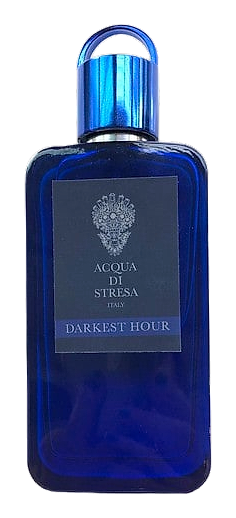
Darkest Hour was introduced in 2019 as part of Acqua di Stresa's Heritage Collection. Its name establishes a mood of darkness and late evening without requiring a literal narrative. The fragrance itself carries the idea through a dense, resinous composition: cistus, nutmeg, and saffron form a compact opening, while leather, rose, patchouli, ambergris, and sandalwood give it depth. The materials meet in a deliberately dark register, balancing aromatic spice with the textured character of leather and the dry warmth of woods. Together, they create a fragrance that feels intimate, polished, and suited to close attention.
The composition is built around a tension that feels less decorative than lived-in. Saffron and nutmeg create a dry, sharpened first impression, while leather gives the center a close, textured warmth. Rose keeps that darkness from becoming severe. It brings a polished floral flicker, but the pink pepper stops it from turning sweet. The base is where the scent settles into itself: ambergris gives it a soft, mineral depth, patchouli brings earthy shadow, and sandalwood keeps the finish smooth. It's a familiar family of materials, arranged with an edge.
The evolution
The opening is compact and alert, with cistus, nutmeg, and saffron creating a resinous, spiced snap. It moves into the scent without rushing toward sweetness. As it develops, leather adds a believable grain, pink pepper brings a rosy lift, and rose softens the composition while preserving its darker character. The drydown is slower and more grounding: ambergris, patchouli, and sandalwood settle into a dark, plush finish against the skin. The woods provide a smoother foundation, while patchouli brings an earthy depth beneath them. Over time, the bright spice recedes and the composition settles into low, polished warmth.
Cultural impact
Darkest Hour presents a darker expression of Acqua di Stresa's fragrance language through resinous spice, textured leather, rose, and grounding woods. The combination is distinctive because it balances bright notes with deeper materials, moving from cistus, nutmeg, and saffron into leather, pink pepper, rose, ambergris, patchouli, and sandalwood. Its appeal lies in the contrast between aromatic warmth, floral softness, and an earthy, polished base.