The Story
Why it exists.
The beginning
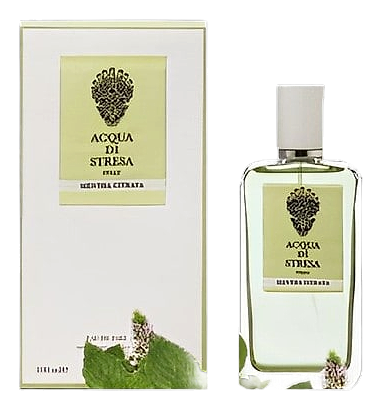
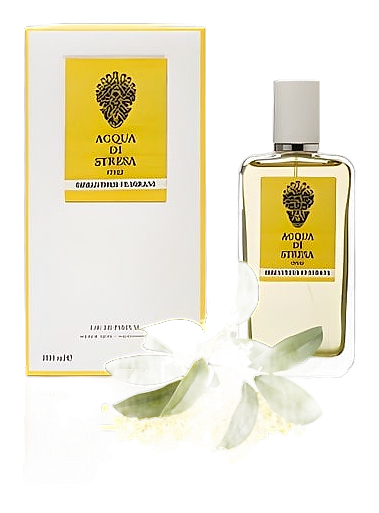
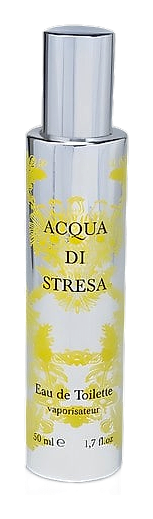
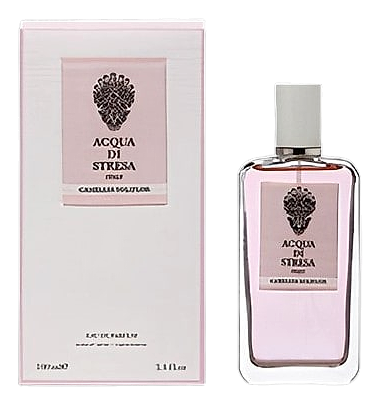
Camellia Soliflor arrived in 2012 as part of Acqua di Stresa's Linea Classica, joining Mentha Citrata and Osmanthus Fragrans in a collection that used botanical specificity as its organizing principle. The camellia is not a symbolic choice here, it's a geographic one. The gardens around Lake Maggiore, with their temperate microclimate and morning mist off the water, produce camellias that develop a spicier, more complex character than their ornamental cousins elsewhere. The founders had long observed this. When the brief came together, capture the camellia as it grows here, not as it is typically imagined, the house reached for its established toolkit: Italian botanicals, local character, a refusal to sand down distinctive traits into something safer. Camellia Soliflor was the result. Not a softened abstraction of the flower, but an attempt to translate its actual scent, its heat, its green edge, its quiet persistence.
What makes Camellia Soliflor unusual in the floral category is its opening structure. Most florals built around camellia lean into the flower's cool, almost waxy quality, that pristine, almost porcelain character. This one doesn't. The black pepper and clove arrive first, pushing the composition into spicy-herbal territory before the camellia has room to establish itself. It's an unexpected sequence: you smell the flower's surroundings before you smell the flower. The iris in the heart is doing quiet work too, its powdery, violet-adjacent character softens what could have been a jarring transition, giving the camellia a cushion to arrive into.
The evolution
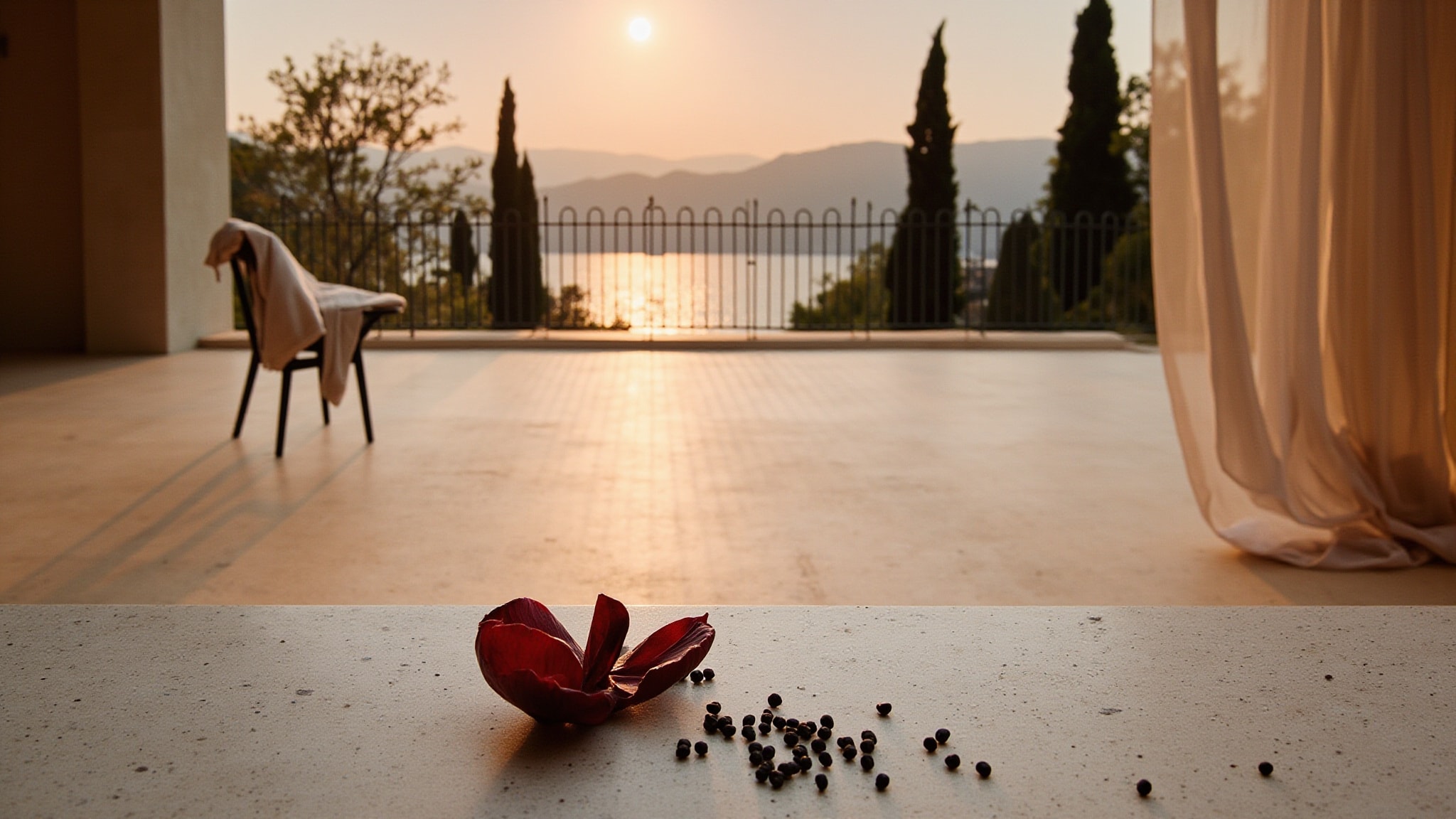
The opening is immediate. Black pepper pricks the air first, a quick, sharp sensation that clears the path. Clove follows within seconds, its warm spice announcing itself firmly. For the first twenty to thirty minutes, Camellia Soliflor reads as an aromatic-herbal composition rather than a floral. No softening yet. No powder. Just the camellia's green, unopened potential held in check by spice. Then the iris arrives. The transition is gradual rather than dramatic, a quiet powdering that begins to round the edges of the clove, making space for something softer underneath. The camellia itself emerges slowly, not bursting into bloom but unfolding, cool at first, then warming as its spicy-sweet character asserts itself against the powdery iris. Rosewood adds a subtle woody warmth that steadies the heart. By the second hour, the cedar takes over. The dry, clean quality of the wood becomes the dominant impression, supported by musk's animalic softness underneath.
Cultural impact
Camellia Soliflor occupies an unusual position within the contemporary floral category, its opening structure prioritizes aromatic intensity over the soft, rounded entrances typical of camellia fragrances. The house's place-centric philosophy is evident: this is camellia as it exists in Italian gardens rather than as a romanticized image. For wearers seeking alternatives to more conventional florals, it offers something spicier, more grounded, and distinctly non-tropical. The 2012 launch placed it within a period when Italian independent perfumery was establishing its voice in the niche category, neither heritage house nor mass market, but somewhere in between, drawing from regional botanical traditions and the visual vocabulary of Italian natural beauty.