The Story
Why it exists.
The beginning
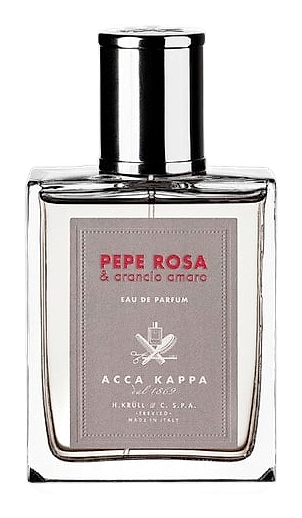
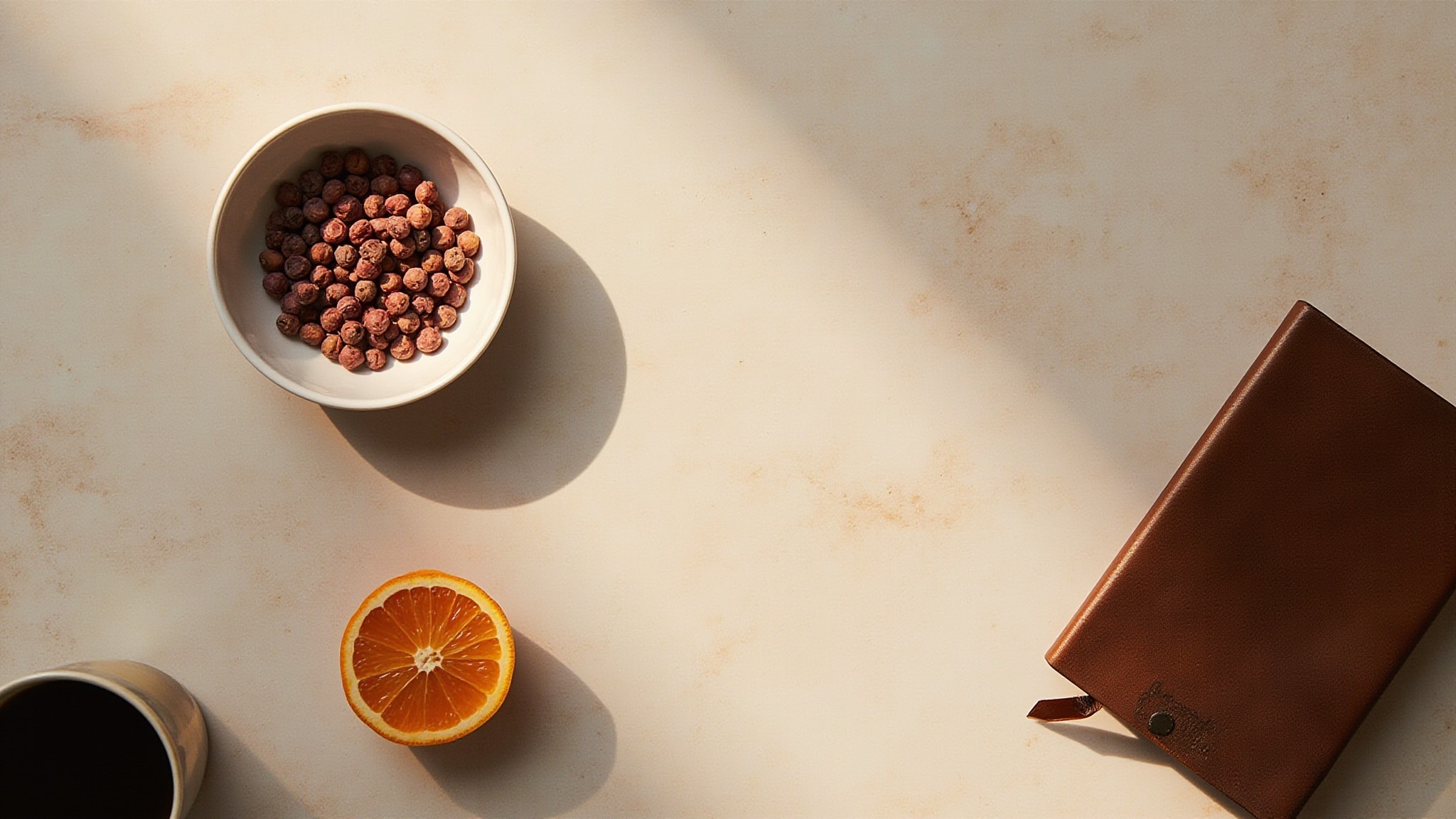
Pepe Rosa & Arancio Amaro. Pink pepper and bitter orange, the name lays out the whole idea in two ingredients. Acca Kappa built this around the berry of a small pink fruit, one with a fragrance that walks between sweet and spice. The brand didn't try to complicate it. They introduced the pepper's quiet heat to a chorus of citrus, bergamot, lemon, bitter orange, and let the conversation begin. The 2023 release keeps things straightforward. The citrus opens. The woods settle. Nothing fights for attention.
What makes this work is the pink pepper's restraint. It doesn't announce itself like black pepper or Sichuan. It arrives soft, almost fruity, with a warmth that whispers rather than shouts. In perfumery, it's often used as a top-note modifier, something to lift and lighten. Here, it's given room to breathe alongside the citrus, almost as a co-lead rather than a supporting actor. The base grounds the brightness without killing it. Cedar and guaiac wood don't compete with the citrus. They wait. And when the citrus begins to settle, that's when the real character emerges, warm, close, personal.
The evolution
The opening hits like a glass of citrus water on a warm afternoon. Bergamot and lemon arrive first, sharp and clean, followed by the pink pepper adding a soft spice that keeps things from feeling generic. The bitter orange holds everything together with its characteristic bittersweet edge. As time passes, the citrus shifts. The lemon recedes while the pepper warms up, meeting the jasmine as it begins to bloom. Patchouli takes over the heart, its earthy depth softening the citrus brightness. The elemi adds a resinous, almost medicinal quality that rounds out the florals. This is the fragrance's most interesting phase, neither fully citrus nor fully woody, sitting in the middle ground that most compositions skip. The drydown belongs to the woods. Cedar and guaiac wood slowly replace the patchouli's earthiness with something warmer, smokier.
Cultural impact
Pepe Rosa & Arancio Amaro draws from the Italian naming tradition, using Pepe Rosa for pink pepper and Arancio Amaro for bitter orange to signal its ingredients clearly. The fragrance arrives as part of a broader conversation in fragrance about bitter citrus and pepper-forward structures. The naming convention speaks to an intentional cultural reference, borrowing Italian terminology to signal authenticity and place.