
The Story
Why it exists.
The beginning
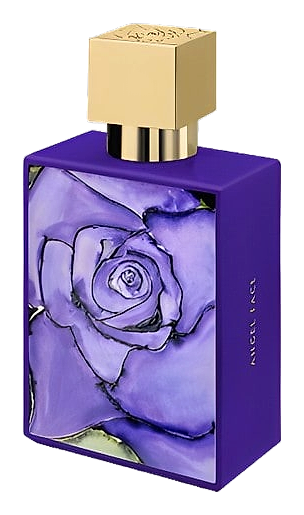
The Angel Face rose is a tea rose hybrid with striking lavender-blue blossoms and a distinctive citrus-fruity aroma. A Dozen Roses named their sixth fragrance after this unusual bloom, released in 2013 by perfumers Lynn Emmolo and Irina Burlakova. The concept: a rose that isn't red or pink. A rose that breaks its own color code. The brief was simple but bold, take the Angel Face rose's unexpected character and translate it into something wearable without losing the flower's peculiar beauty.
What makes Angel Face unusual within the A Dozen Roses lineup is its departure from warmer rose interpretations. The lavender-blue rose brings cool tones into the composition, violet, lilac, and peony create an almost blue-hued floral heart. Blackcurrant and apple add a fruity brightness that cuts through the sweetness, preventing the bouquet from reading as powdery or old-fashioned. The base, patchouli, roasted tonka bean, and vetiver, keeps everything grounded in earth rather than letting it float away into pure abstraction. It's a rose composition that refuses to be predictable.
The evolution
The opening arrives crisp and tart, blackcurrant leading with a fruity urgency that doesn't linger long. Within minutes the florals take over, peony and violet first, then lilac and jasmine filling in the gaps. The A Dozen Roses signature rose absolute threads through but never dominates, acting more like a connective tissue than a headline. Two hours in, the patchouli and vetiver begin their slow rise, adding weight without darkening the composition. The tonka bean appears last, a whisper of warmth that softens the landing. By the final hour on skin, you're left with clean vetiver and faint sweetness, nothing heavy, nothing loud. The evolution is linear but satisfying: bright to cool to grounded.
Cultural impact
Angel Face and similar fruity-sweet fragrances reflect a significant shift in how modern perfumery approaches accessibility and inclusivity. The rise of brands like A Dozen Roses represents a broader democratization of luxury scents, where high-quality, appealing fragrances became available at approachable price points. These scents often serve as gateway fragrances for new perfume enthusiasts, introducing them to concepts like scent layering, longevity variations, and note progressions. The cultural embrace of overtly fruity perfumes also marks a departure from older associations where such scents were sometimes dismissed as immature or simple.