The Story
Why it exists.
The beginning
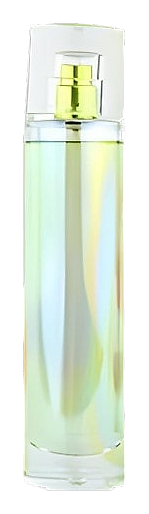
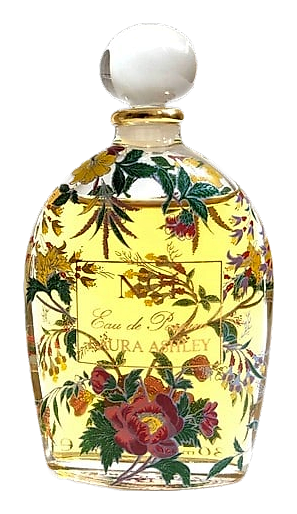
Laura Ashley No. 1 arrived in 1979 as a fragrance that reflected the label's longstanding association with English countryside romance. The brand had become internationally recognised for its soft florals and natural fabrics, a sensibility that had defined its collections for years. When it came time to translate that aesthetic into olfactory form, the challenge was to capture the essence of that garden-like quality without losing the subtlety that had made the label distinctive. No. 1 approached this by treating the garden as a material to be worn, capturing its essence in a form that could be carried with you.
The note pyramid is layered and complex. Top notes of jasmine, rose, and citrus arrive in quick succession, a bright, familiar opening that signals what is coming without announcing it. The heart then takes over with an unusual density of white florals: gardenia, hyacinth, and narcissus layered in a way that suggests the accumulated scent of an entire border rather than a single bloom. Oakmoss anchors the base, giving the fragrance its chypre structure and the longevity that keeps it present for hours. The composition never feels crowded or confused.
The evolution
The opening is clean and bright, jasmine, rose, a whisper of citrus that reads more garden than perfume. The white florals take their time arriving, but when they do, gardenia leads, hyacinth follows, and the combination fills everything between with something lush and green at once. This is the fragrance's statement phase, the part that earns its reputation. Then the oakmoss arrives. Not as a replacement, as a correction. It pulls the florals inward, tucks them against the skin. Cedar and iris complete the drydown, settling into a quiet warmth that stays close for the remaining hours. The white florals linger, becoming something you catch only when you are close. Cedar and musk add their presence beneath.
Cultural impact
Laura Ashley No. 1 arrived in 1979 into a market that valued restraint. The label had built its reputation on soft florals, natural fabrics, and a calm English countryside aesthetic that had resonated with customers for years. The fragrance carried that same restraint into a format that could be worn rather than displayed, bringing the garden's quiet beauty into an olfactory experience.