    Brand Profile

    Laura Ashley began as a textile label in 1953 and later expanded into fragrance, offering scents that echo the brand’s garden‑inspired herit…More

    United Kingdom·Est. 1953·Site

    4.3

    Rating

    14
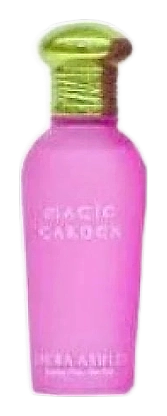
    Magic Garden by Laura Ashley
    Best Seller
    4.3

    Magic Garden

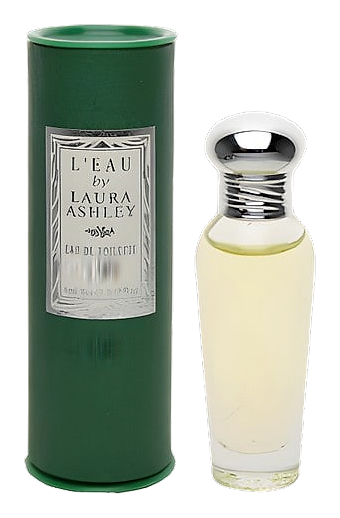
    L'Eau by Laura Ashley
    Best Seller
    4.3

    L'Eau

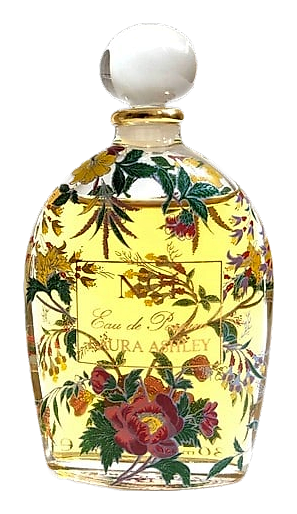
    Laura Ashley No. 1 by Laura Ashley
    Best Seller
    4.3

    Laura Ashley No. 1

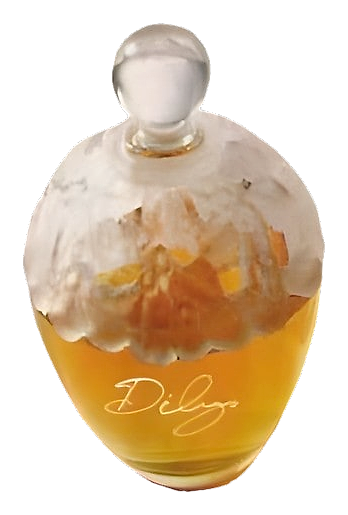
    Dilys by Laura Ashley
    4.2

    Dilys

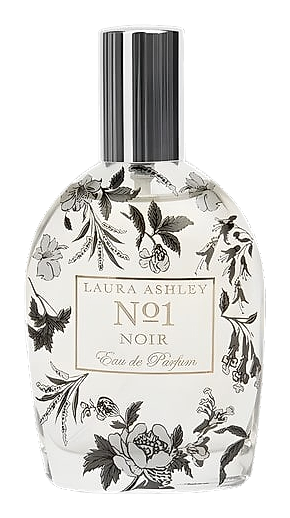
    No 1 Noir by Laura Ashley
    4.1

    No 1 Noir

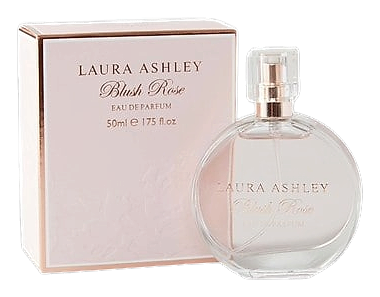
    Blush Rose by Laura Ashley
    4.0

    Blush Rose

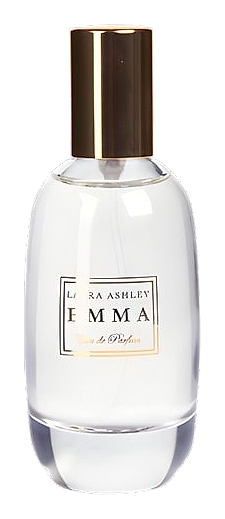
    Emma by Laura Ashley
    4.0

    Emma

    Laura Ashley No. 2 by Laura Ashley
    3.3

    Laura Ashley No. 2

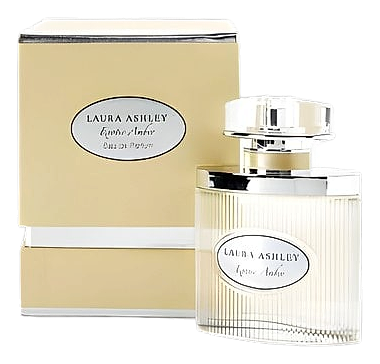
    Exotic Amber by Laura Ashley

    Exotic Amber

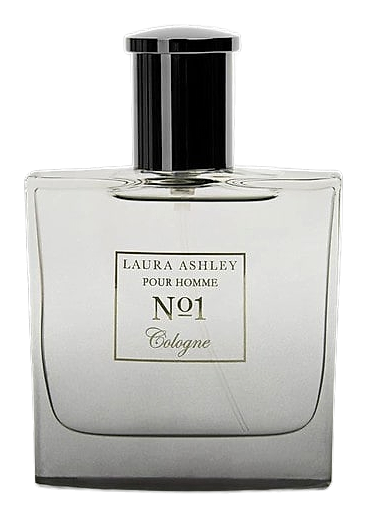
    No 1 Pour Homme by Laura Ashley

    No 1 Pour Homme

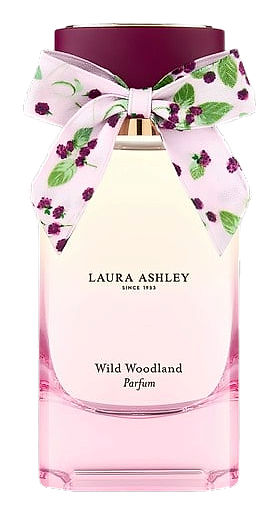
    Wild Woodland by Laura Ashley
    New

    Wild Woodland

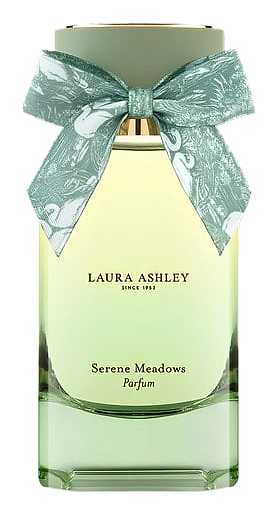
    Serene Meadows by Laura Ashley
    New

    Serene Meadows

    1 of 2

    The Heritage

    The Story of Laura Ashley

    Laura Ashley began as a textile label in 1953 and later expanded into fragrance, offering scents that echo the brand’s garden‑inspired heritage. The perfume portfolio includes classics such as Laura Ashley No. 1 (1979) and newer releases like Emma (2013). Recent collaborations with fragrance specialist Nirvana Brands have brought fine‑crafted, Wales‑made bottles to the market, reinforcing the label’s reputation for understated elegance and a calm, countryside sensibility.

    Heritage

    Laura Ashley was founded in London in 1953 by Laura and Bernard Ashley. Laura, a native of Dowlais in South Wales, turned her kitchen‑table hand‑printing hobby into a business that quickly attracted attention for its soft floral prints and natural fabrics. By the late 1960s the company had opened its first shop on London's King's Road, and the brand’s reputation for romantic, English‑country style spread internationally. In 1979 the house launched its first perfume, Laura Ashley No. 1, a floral‑green composition that mirrored the brand’s textile motifs. The fragrance line grew through the 1990s with releases such as L’Eau (1995) and Magic Garden (2000), each reinforcing the garden‑centric narrative. After a period of limited activity, the brand’s new owners partnered with Nirvana Brands in 2022 to revive fine fragrance production in Wales, emphasizing locally sourced ingredients and traditional distillation methods. The partnership produced a refreshed No. 1 Noir and the 2014 introduction of No 1 Pour Homme, marking the first male offering from the label. Throughout its eight‑decade history Laura Ashley has balanced home décor, fashion, and scent, always drawing on the pastoral aesthetic that first defined its prints.

    Craftsmanship

    All contemporary Laura Ashley fragrances are produced in Wales under the guidance of Nirvana Brands, a specialist house known for small‑batch distillation. The process begins with the selection of raw materials, many of which are harvested from British farms that practice responsible cultivation. For example, the rose absolute used in No. 1 originates from a heritage garden in Kent, while the amber accord in Exotic Amber derives from sustainably sourced labdanum. Ingredients are blended in stainless‑steel vats at controlled temperatures to preserve delicate top notes. After blending, the perfume rests for several weeks, allowing the composition to mature and achieve harmony. Quality control includes gas‑chromatography analysis to verify concentration levels and ensure batch‑to‑batch consistency. Bottles are hand‑filled in a dedicated facility, and each is sealed with a wax‑coated cork that echoes the brand’s vintage packaging. The label’s commitment to craftsmanship extends to packaging design, which employs recycled glass and biodegradable inks, reflecting a broader corporate push toward environmental responsibility.

    Design Language

    Laura Ashley’s visual language carries the same soft, pastel palette that defined its early fabric prints. Fragrance bottles often feature rounded silhouettes reminiscent of classic English teacups, with frosted glass that hints at the scent’s gentle character. Labels display the brand’s signature cursive logotype in muted gold or silver, set against a cream background that evokes vintage stationery. The colour schemes draw from garden hues – blush pink, sage green, and lavender – reinforcing the connection between scent and flora. Marketing imagery typically places the perfume beside linen drapery, wooden furniture, or a blooming garden, positioning the product within a lived, homely context rather than a high‑gloss runway. This understated aesthetic aligns with the brand’s broader identity, which values comfort, timeless style, and a quiet elegance that feels both personal and universally British.

    Philosophy

    The company treats scent as an extension of its textile legacy, seeking to translate the tactile softness of cotton and linen into olfactory form. Creative direction prioritises natural inspiration – gardens, countryside walks, and the subtle shift of seasons – rather than fleeting trends. Laura Ashley’s fragrance brief often calls for balanced compositions that feel both familiar and quietly sophisticated, avoiding overt flashiness. The brand values consistency, choosing to revisit core notes such as rose, violet, and amber across multiple releases. Sustainability also informs its approach; the recent Wales‑based production line sources botanical extracts from regional growers, aiming to reduce transport emissions while supporting local agriculture. By aligning scent with the brand’s broader lifestyle ethos, Laura Ashley positions perfume as a quiet ritual that complements home and wardrobe rather than dominates them.

    Key Milestones

    1953

    Laura and Bernard Ashley establish a textile business in London, launching hand‑printed fabrics from a kitchen table.

    1979

    Release of Laura Ashley No. 1, the brand’s first fragrance, inspired by its floral print heritage.

    1995

    Launch of L’Eau, a fresh, water‑infused scent that expands the perfume portfolio beyond the original No. 1.

    2000

    Magic Garden debuts, reinforcing the garden‑centric theme with notes of lily and jasmine.

    2014

    Introduction of No 1 Pour Homme, the first male fragrance under the Laura Ashley name.

    2022

    Partnership with Nirvana Brands begins, moving fragrance production to Wales and focusing on fine‑crafted, locally sourced ingredients.

    At a Glance

    Brand profile snapshot

    Origin

    United Kingdom

    Founded

    1953

    Heritage

    73

    Years active

    Collection

    1

    Fragrances released

    Avg Rating

    4.3

    Community sentiment

    Release Rhythm

    2026
    4
    2014
    1
    2013
    1
    2000
    2
    1995
    1
    1991
    1
    1979
    2
    lauraashley.com

    Did You Know?

    Interesting Facts

    Distinctive details and defining moments that shape the house personality.

    01

    Laura Ashley’s first perfume, No. 1, was launched 26 years after the company’s founding, showing a gradual diversification from textiles to scent.

    02

    The brand’s fragrance bottles are filled by hand in a dedicated Welsh facility, a rarity for a label of its size.

    03

    Laura Ashley’s original fabric designs were created on a domestic sewing machine, a detail that underscores the brand’s humble, craft‑based origins.

    04

    The 2022 fragrance revival coincided with a broader corporate restructuring that placed sustainability at the core of product development.

    The Artisans

    The Perfumers