The Story
Why it exists.
The beginning
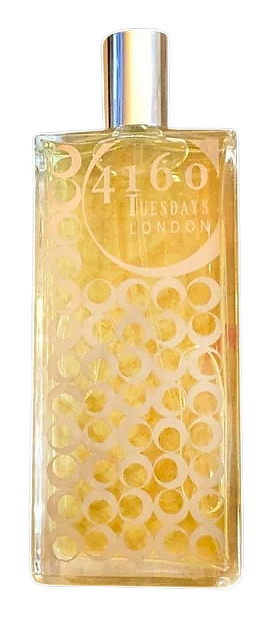
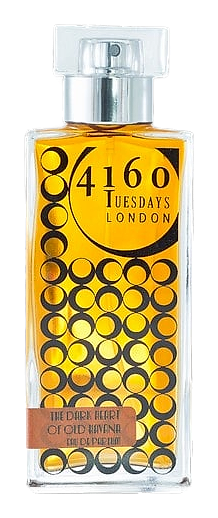
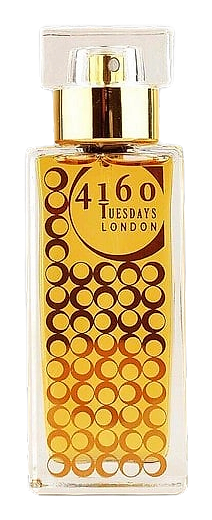
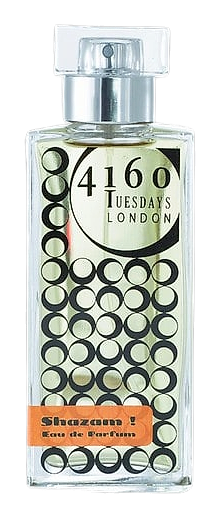
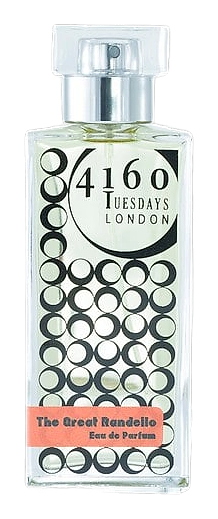
The Great Randello arrived in 2013 from 4160 Tuesdays, the West London atelier founded by Sarah McCartney in 2011. McCartney built the house around a teaching ethos, fragrance made approachable, not elite. The name is a wink: theatrical, slightly absurd, but the scent itself refuses to be a joke. It was designed as an edible fruity chypre, a category that sounds contradictory in the best way. The question McCartney seemed to be asking: what if sweet and mossy weren't opposites?
The Great Randello builds on a traditional chypre structure, oakmoss, patchouli, often a resin or two, but refuses the usual trajectory of sweet-fruity that turns flat. The toffee and strawberry arrive first, bright and almost confectionery. But this isn't a dessert fragrance. The oakmoss and patchouli are present from the start, waiting beneath the sweetness. As the fruit fades, they expand. That's the architectural choice: build upward from a foundation, not downward from a peak. The result is a fruity chypre that actually commits to being a chypre.
The evolution
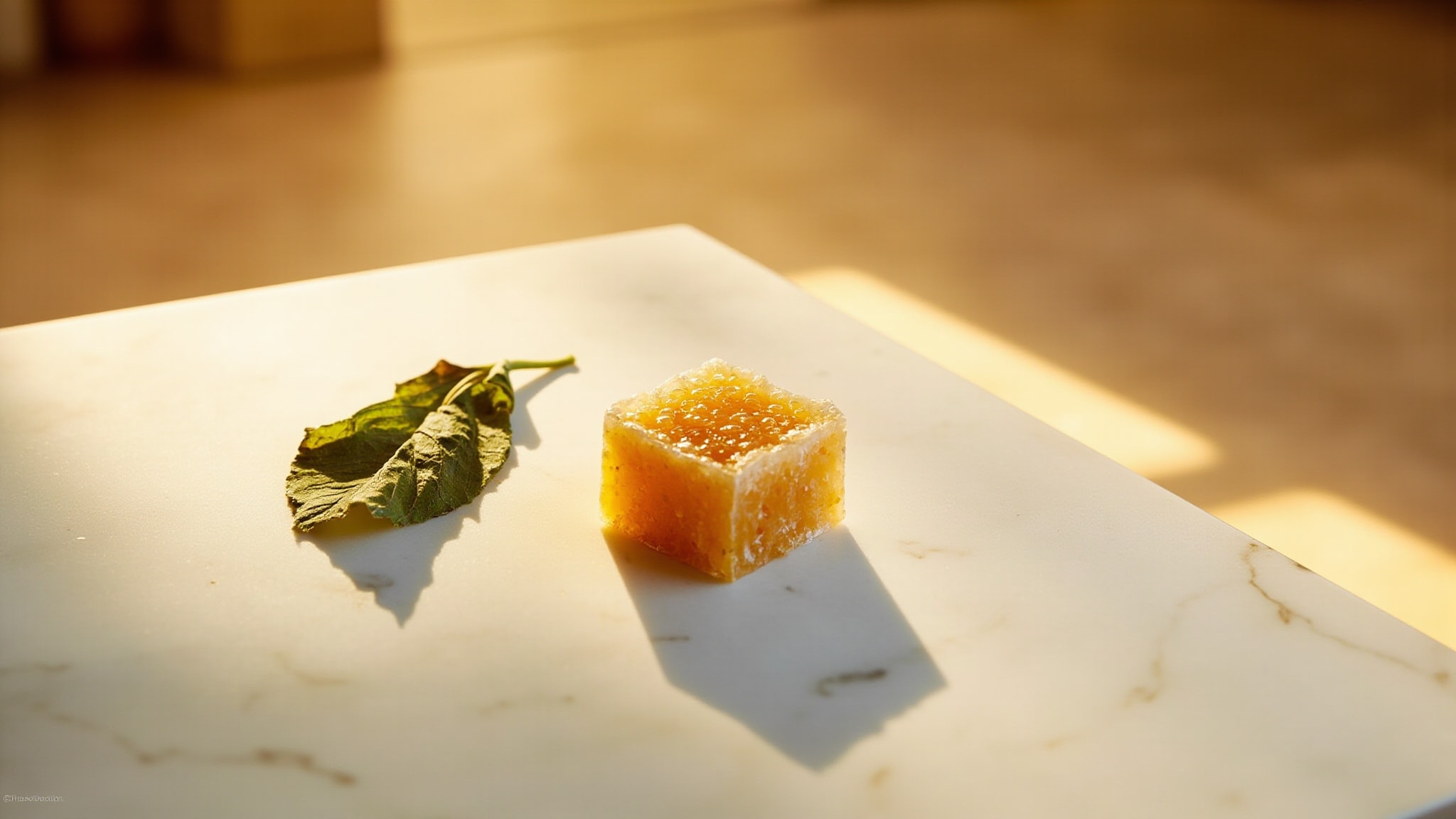
Honey and strawberry arrive first, sweet enough to taste. The opening reads almost edible, toffee dissolving on warm skin. But the sweetness doesn't collapse inward. It opens outward. Within the first hour, a green, slightly savory note emerges as the clary sage cuts through the toffee, while sandalwood and musk provide a creamy counterweight. The bergamot keeps everything bright. By the second hour, the fruit begins to recede and the oakmoss takes over, cool, damp, slightly animalic. Patchouli and vetiver arrive to anchor it. Six to eight hours in, the base notes are still present. Not loud. Not projecting. But there. On skin the next morning, a faint trace of patchouli and warm vetiver linger on fabric. It doesn't disappear quietly.
Cultural impact
The Great Randello occupies an interesting space in the indie fragrance world: a fruity chypre that actually behaves like a chypre. Since its 2013 launch, it's built a following among wearers who appreciate that it doesn't abandon its structure as the hours pass. The sweet-fruity opening draws people in; the oakmoss and patchouli base is what keeps them coming back.