Honeycomb Toffee
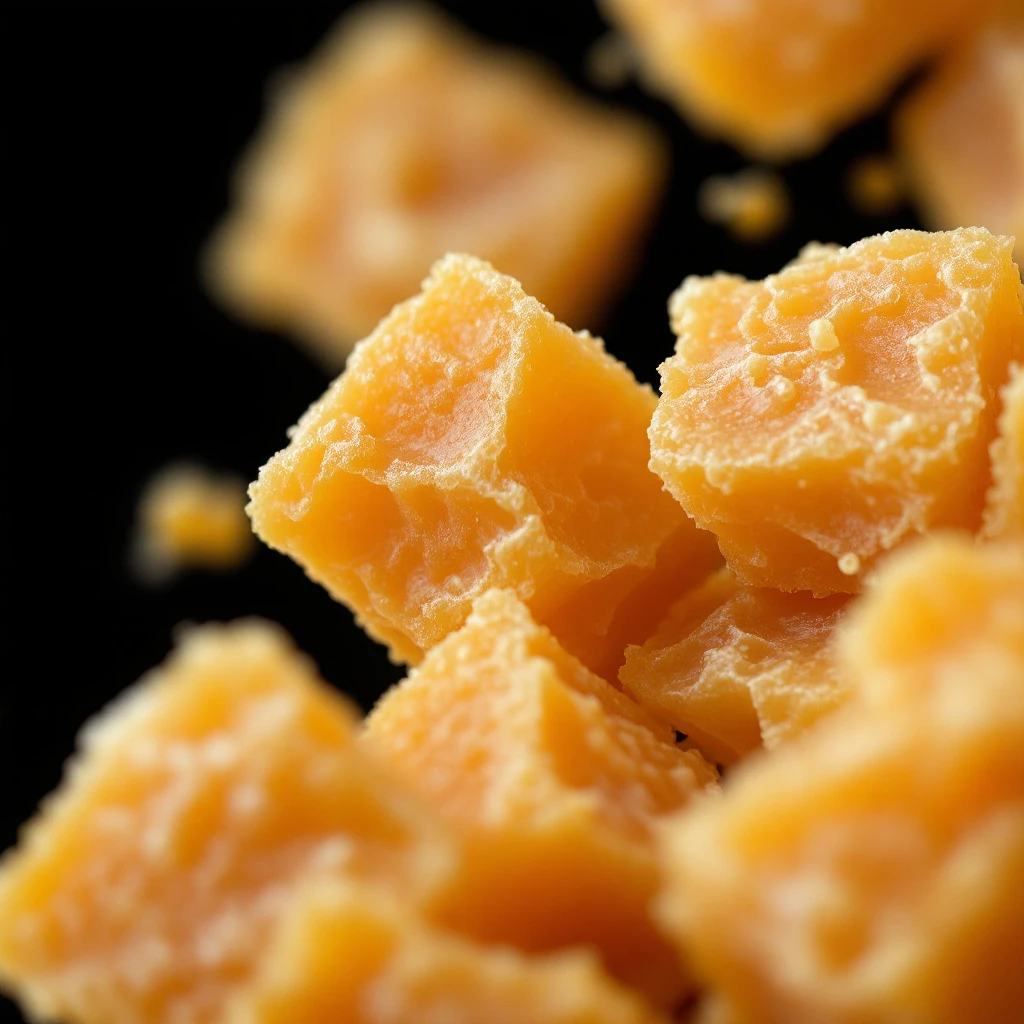
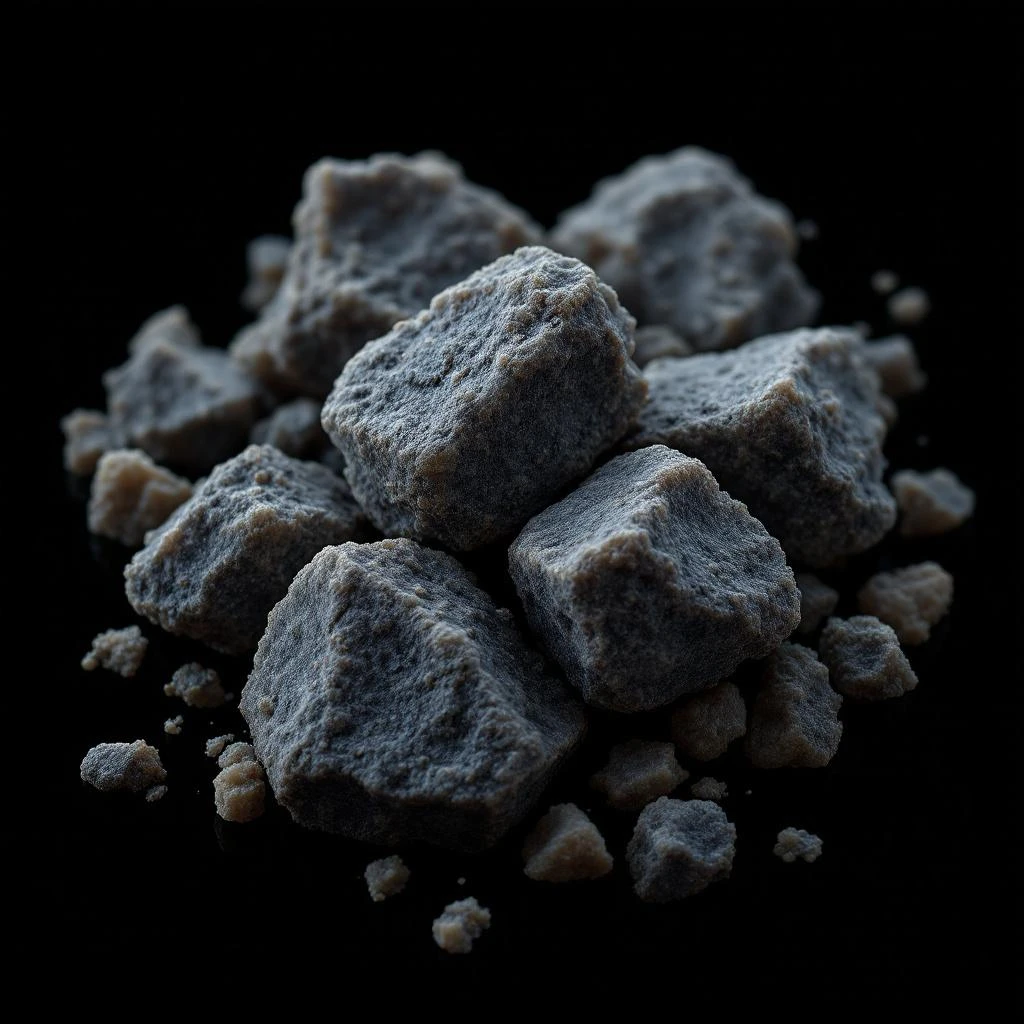
The warm embrace of amber sugar and golden honey, captured in crystalline form. Honeycomb Toffee is the perfumer's tribute to the candymaker's art, translating a beloved confection into liquid form.
Character
How it smells
Candied warmth distilled into scent
The Maillard reaction, the same chemical process that browns bread and sears steak, also creates honeycomb toffee's signature aroma in the kettle.






Origin
Switzerland
Honeycomb candy emerged in Britain during the Victorian era, when industrial sugar processing made sweet confections accessible to the middle class. Bakers discovered that heating sugar with baking soda created the distinctive airy, hexagonal structure we recognize today.
The candy's popularity coincided with perfumery's own expansion, as synthetic aromatic materials became available in the late 1800s. Early fragrance chemists, working with materials like vanillin and coumarin, began capturing edible scent profiles for perfume.
The gourmand movement of the 1990s brought honeycomb and toffee notes into mainstream perfumery, with houses like Thierry Mugler pioneering sweet, edible fragrances. Today, honeycomb toffee remains a staple of warm, inviting scent compositions.
Wears it best
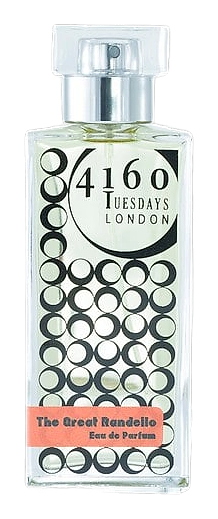
Fragrances featuring Honeycomb Toffee
Brands
Brands known for Honeycomb Toffee
Good to know
Questions, answered
The essentials on Honeycomb Toffee in perfumery: how it smells, where it comes from, and how it behaves on skin.
What does honeycomb toffee smell like in perfume?
Honeycomb toffee creates warm, sweet, and slightly buttery impressions in fragrance. It combines caramelized sugar notes with honey's golden depth and a subtle toasty quality from toffee. The effect resembles the scent of fresh honeycomb candy, with depth from vanillin and warmth from buttery lactones. Most people find this note immediately comforting and recognizable.
Is honeycomb toffee a natural or synthetic fragrance ingredient?
Honeycomb toffee is a synthetic accord that perfumers build from multiple lab-created aromatic compounds. Key components include vanillin, ethyl maltol, and coumarin, which together replicate the candy's complex sweetness. This synthetic approach allows precise control over the toffee character and ensures batch-to-batch consistency that natural materials cannot provide.
Where do perfume houses source honeycomb toffee materials?
Major fragrance ingredient suppliers in Switzerland, France, and the United States produce the aromatic compounds used in honeycomb toffee accords. Swiss and French suppliers specialize in high-purity aromatic chemicals that meet rigorous International Fragrance Association standards for safe use in consumer products.
When did honeycomb candy first influence fragrance creation?
The Victorian era connected these worlds. During the 1800s, honeycomb candy became popular in Britain while perfumers gained access to synthetic materials like vanillin. By the 1990s, the gourmand fragrance movement made honeycomb and toffee notes mainstream, with pioneering releases establishing their place in contemporary perfumery.
How long does honeycomb toffee last on the skin?
Honeycomb toffee typically lingers for four to six hours depending on skin chemistry and surrounding fragrance notes. The material works best as a heart or base note in compositions. Blending it with woody or musky supporting notes extends its presence, while pairing with citrus or green notes causes faster evaporation.
What fragrance families commonly use honeycomb toffee?
Oriental and gourmand fragrances most frequently feature honeycomb toffee, though it appears across woody, amber, and even floral compositions. The note adds warmth and approachability to heavier bases while providing an edible quality that appeals to many fragrance wearers. It works particularly well in autumn and winter scents.
Why do perfumers choose honeycomb toffee over natural honey in formulations?
Synthetic honeycomb toffee provides consistency and complexity that natural honey cannot match. Natural honey's scent varies based on floral source and processing, while the accord delivers a standardized candied character. Additionally, the toffee element adds depth and warmth beyond what honey alone provides, giving perfumers greater creative control.
What complementary notes pair well with honeycomb toffee in fragrance?
Warm woods like sandalwood and cedar balance honeycomb toffee's sweetness effectively. Spices such as cinnamon and cardamom add complexity, while amber and benzoin provide additional warmth. For contrast, bergamot and other citruses brighten the composition, preventing the sweet notes from becoming heavy.