
The Story
Why it exists.
The beginning
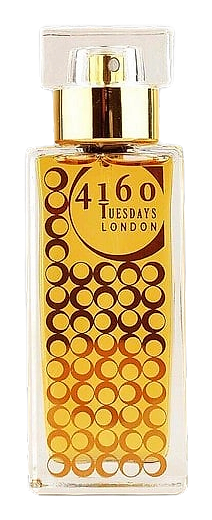
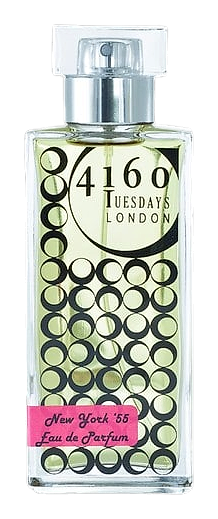
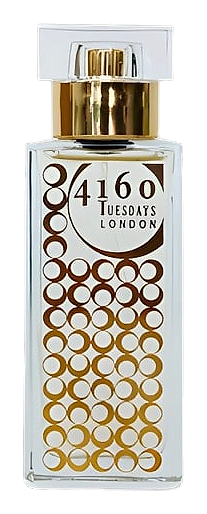
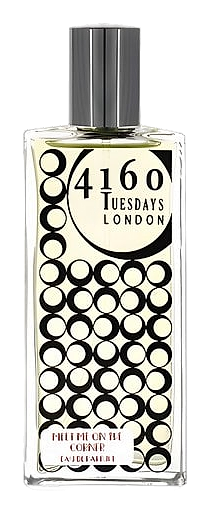
The name says corner. Not a landmark, not a bar, a corner. The place where two streets meet and decisions get made. Sarah McCartney built Meet Me On The Corner around that specific 1970s energy: the street-level spontaneity of meeting someone unexpectedly, the anticipation before you know if they'll show. Released in 2020, it translates an older, less guarded era into a modern bottle without sanitizing what made it interesting.
The structure here is deliberately old-fashioned in the best sense, a proper chypre, which means oakmoss and moss-like warmth at its core, softened by citrus at the top and grounded by something resinous below. Modern reformulations stripped most fragrances of this backbone years ago. 4160 Tuesdays kept it intact. The magnolia leaf adds a green, slightly waxy note that bridges the bright opening and the earthy drydown, it doesn't shout, but it holds the whole thing together when the clementine fades.
The evolution
The opening hits like a streetlight on a cold evening, sharp, bright, immediate. Lemon and mandarin orange burst first, almost astringent, the kind of citrus that bites before it warms. Thirty minutes in, the bergamot softens everything. The magnolia leaf introduces a green, almost waxy texture that seems to come from a different part of the colour wheel entirely. Then the sandalwood arrives, creamy and quiet, and suddenly you're in the warm middle act. The base is where time moves slowest. Patchouli and styrax build slowly, resinous, faintly animalic, the styrax reading almost vanillic on some skin. The oakmoss doesn't dominate; it frames. Eight hours later on fabric, something clean and moss-soft remains. On skin, closer and more intimate, the kind of drydown that only you get to enjoy.
Cultural impact
Meet Me On The Corner arrived during a nostalgic revival for vintage chypre structures, when modern perfumery had largely moved toward cleaner, safer compositions. 4160 Tuesdays positioned it as an antidote to the linear, sweet fragrances dominating the market, offering instead a proper oakmoss-and-patchouli drydown that recalled an era when perfume had teeth. The release coincided with broader conversations about authenticity in fragrance, with wearers seeking distinction over mass appeal. Sarah McCartney's approach, rooted in her documented fascination with 1970s perfumery, made this a case study in how independent houses could revive forgotten olfactory traditions without straight reproduction.