The Story
Why it exists.
The beginning
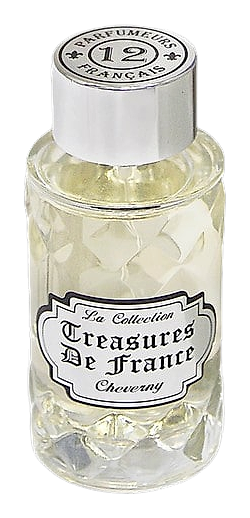
Cheverny takes its name from the Château de Cheverny, a Renaissance estate celebrated for its faultless lines and unbroken family stewardship. Long believed in. The architecture is pure Louis XIII: clean stone, restrained light, a symmetry that feels almost mathematical. 12 Parfumeurs Français built the composition around that same restraint, snow-white at the surface, deeper warmth underneath. The fragrance translates the château's stately calm into scent, a woody-aromatic structure dressed in spice and resin, as orderly as the estate itself. The cypress top notes carry that green, cooling austerity, like walking through a formal garden bordered by trimmed conifers. Anise sharpens the edges rather than sweetening them, lending a botanical clarity to the opening.
What sets Cheverny apart from the usual woody-spicy template is its palette discipline. The anise isn't licorice sweet; it's dry, almost architectural, a cooling agent that sharpens the cypress rather than rounding it. The incense stays restrained, more liturgical smoke than resinous bombast. Then the base does something unexpected: the vanilla melts into warm sandalwood, giving the drydown a creamy domesticity that contrasts the cool, almost austere opening. The anise accord runs through every phase like a thread, holding the composition's coherence across its cold-to-warm arc.
The evolution
The first 30 minutes belong to cypress and anise. Sharp, green, slightly medicinal. Anise doesn't smell sweet here; it reads like cold stone in winter air. Black pepper flickers underneath, adding a low hum of warmth. The opening is linear and disciplined, no sweetness to soften it. Then incense arrives, not heavy or smoky, more like the ghost of church smoke drifting through an open window. Orange threads through, offering a bright citrus edge that keeps the composition from going dark. This is the transition phase, the moment the scent stops being cold and starts being inhabited. By the two-hour mark, the base settles into something unexpectedly creamy. Vanilla and sandalwood take over, but not in a gourmand way. The cedar adds structure, the musk adds skin warmth. What started as a château facade reveals the rooms inside. The vanilla clings to fabric, the sandalwood holds close.
Cultural impact
Cheverny sits within the collective's editorial vision: each fragrance carries a named inspiration, rooted in French heritage. The château reference grounds the scent in a recognizable cultural landmark, lending it the weight of place and history that pure abstraction cannot match. Collectors drawn to narrative-driven perfumery find in Cheverny a composition that rewards patience and close attention. The scent's restrained profile and architectural coherence make it a study in deliberate design rather than trend-chasing, the kind of fragrance that ages well within a collection and reveals new facets with repeated wear.