
The Story
Why it exists.
The beginning
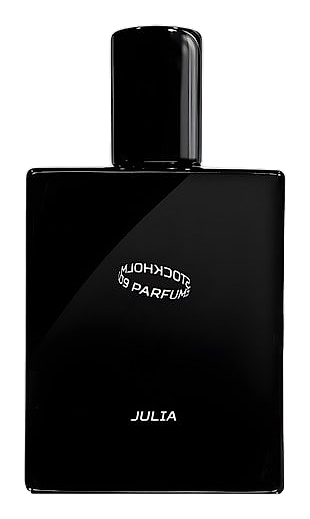
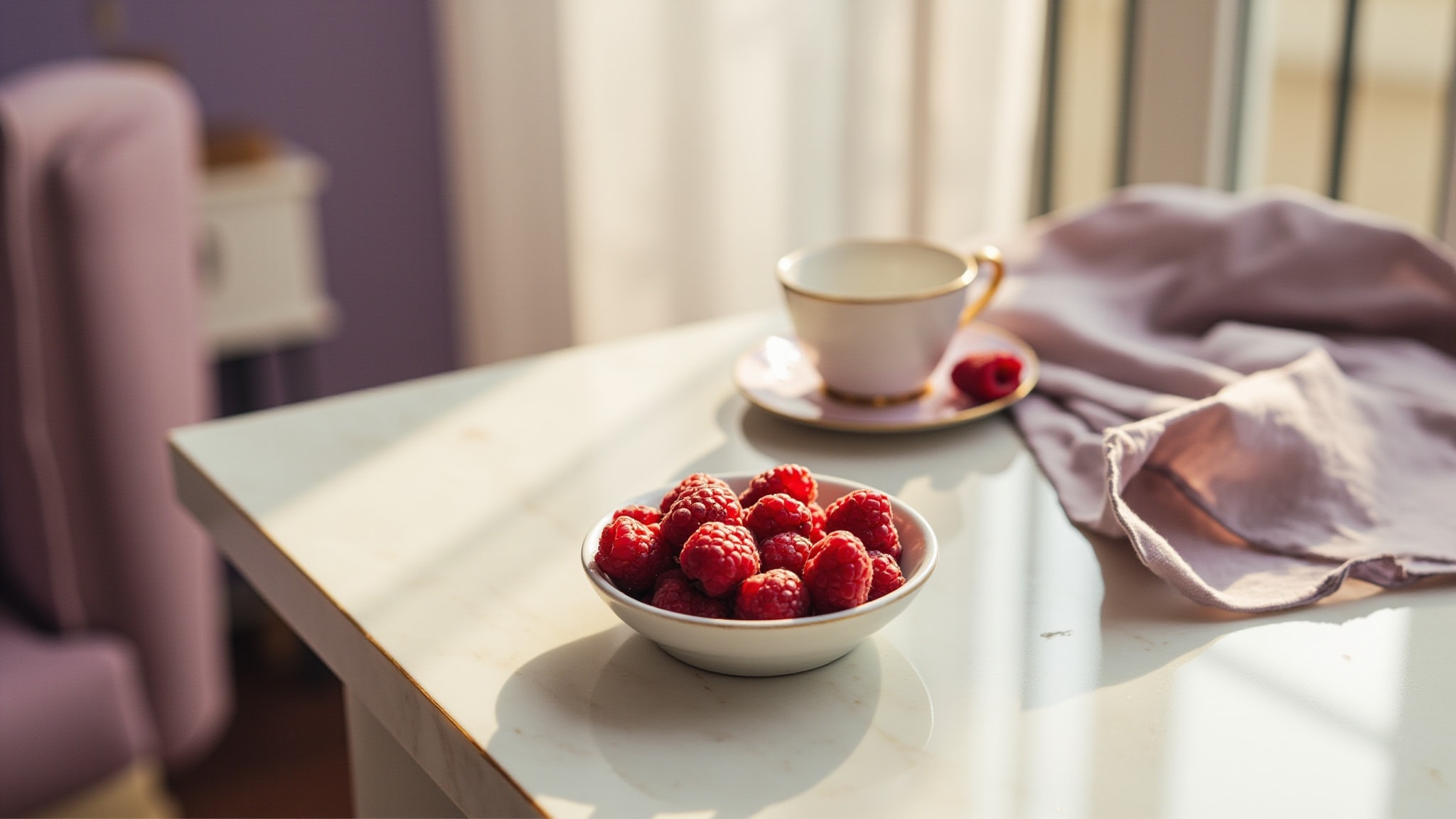
Julia appeared in 109 Parfums's catalogue as a study in restraint, a fragrance that moves away from the heavier, more theatrical territory that incense-driven compositions tend to occupy. Where some perfumes announce themselves through smoke or dark resins, Julia pulls toward something quieter, more intimate, more contemporary. The composition is built around a deceptively simple idea: what happens when a bright, juicy fruit note meets a powdery floral heart and a soft, creamy base. Raspberry, iris, violet, and vanilla form the backbone, four ingredients treated with the kind of care usually reserved for more dramatic compositions. There's nothing trying to shock here. No heavy resins. No animalic edges.
The genius of the structure is its restraint. Raspberry is a loud note; left alone, it reads as candy or jam. But surrounding it with iris and violet, two of the most muted, dusty florals in a perfumer's palette, changes everything. That pairing tames the berry, pulling its sweetness toward something cooler and more aromatic, almost like the scent of crushed petals left out in cool air. The vanilla base doesn't add richness so much as warmth: it acts like skin temperature, the kind of softness you catch on a scarf or a sweater rather than something baked.
The evolution
The opening belongs entirely to raspberry, sharp, slightly candied, unmistakable. It doesn't announce itself quietly; it walks in and sits down. But the violet arrives faster than you'd expect, and within the first stretch of wear the fruit has been folded into something cooler. The iris joins soon after, and the whole composition tilts toward powder. There's a moment in the middle phase where it almost smells like a different fragrance: no sweetness, just violet layered over iris, with the faintest shadow of raspberry still clinging underneath. Then the vanilla starts to surface. Not the deep, burnt-sugar vanilla of a gourmand, but a whiter, softer version, more marshmallow-adjacent, more skin-warm. As the hours pass it goes fully quiet. What remains is a gentle trace of vanilla and iris, the kind of scent you catch on a coat collar the next morning.
Cultural impact
Julia sits in a quiet corner of the niche world: a fruity-powdery composition that doesn't try to compete with louder or more aggressive fragrances. It appeals to wearers who want something gentle and wearable, the kind of scent that reads personal rather than performative. Production was apparently discontinued at some point, which has given it an added layer of interest for those tracking the house's catalogue. For collectors who appreciate understated compositions, Julia represents something worth seeking out, a reminder that the most memorable fragrances are often the ones that whisper.
The House
109 Parfums109 Parfums is a Paris‑based niche fragrance house that emerged in 2015 from a circle of friends who shared a love of scent and a desire to make distinctive, story‑driven perfumes without the pretence of luxury branding. The label quickly built a catalogue that leans toward rich, often Middle‑Eastern inspired compositions, yet each bottle retains a clean, modern silhouette. By partnering with established perfumers and sourcing ingredients from traditional regions, the brand offers a portfolio that feels both adventurous and approachable, inviting collectors and casual wearers alike to explore nuanced olfactory narratives.
The Creator
Patrick DavidBased on the character of Nineveh, Patrick David appears to favor compositions with structural ambition and temporal depth. His work suggests an affinity for raw materials that carry historical weight: resins, woods, and spices that evoke trade routes and ancient markets.