The Story
Why it exists.
The beginning
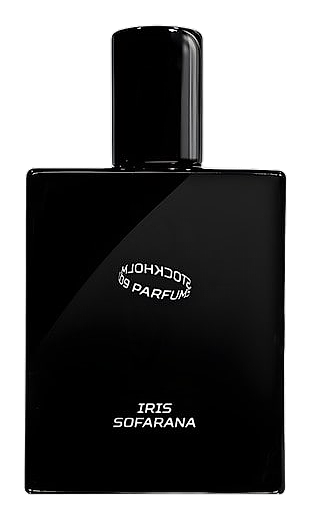
The name arrives from a place: Sofarana, 30 kilometres outside central Beirut, where iris grows native against the mountain slopes. The fragrance was designed to translate that specific terroir, not the idea of Lebanese iris, but the actual air of those hillsides at altitude. Perfumer Patrick David worked with a variety known as Sofar iris, a strain adapted to the Mediterranean climate. The result is an iris that reads as both powdery and grounded, violet-sweet and root-earthy in the same breath. This is what happens when a fragrance tries to capture a landscape rather than an abstraction. The powdery character arrives first, that cool-starch quality that makes iris so distinctive, while the grounded earthiness anchors it in something more physical, more rooted.
The composition structure breaks from convention, iris occupies both the top and heart positions, creating an unbroken thread of that cool, powdery character rather than the typical pyramid where a note arrives and then hands off to something else. The rose water base is the unexpected move here: not rose absolute or rose otto, but rose water, softer and more transparent than its concentrated counterparts. It keeps the drydown gentle rather than deepening into richness. Neroli bridges the heart, adding a brief brightness that lifts the composition before the iris reasserts itself.
The evolution
The opening is immediate: cool, powdery, iris through and through. No bright citrus preamble, no spice, just the root's earthy sweetness arriving clean. Within minutes the neroli surfaces, a brief flash of orange blossom brightness that reads as green rather than sweet, like stems rather than flowers. Then the handoff: neroli fades, iris settles deeper into its earthier carrot side. The rose water in the base doesn't arrive dramatically, it arrives quietly, softening what was already soft. The drydown maintains that powdery violet quality from opening to close, the iris thread never fully releasing its grip on the composition. What changes is the texture, the way the violet sweetness becomes more diffuse as hours pass, less immediate but no less present, like afternoon light that has lost its sharpness but still illuminates.
Cultural impact
Iris Sofarana arrived as part of a growing conversation in niche perfumery about where ingredients come from and what they carry with them. The choice to source Sofar iris from a village 30 kilometres outside Beirut anchored the fragrance in a specific terroir, connecting it to a particular landscape and the iris that grows there. Within the community of iris-focused compositions, Iris Sofarana occupies a distinct space as a deliberately restrained, transparent expression.