The Story
Why it exists.
The beginning
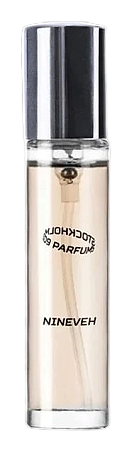
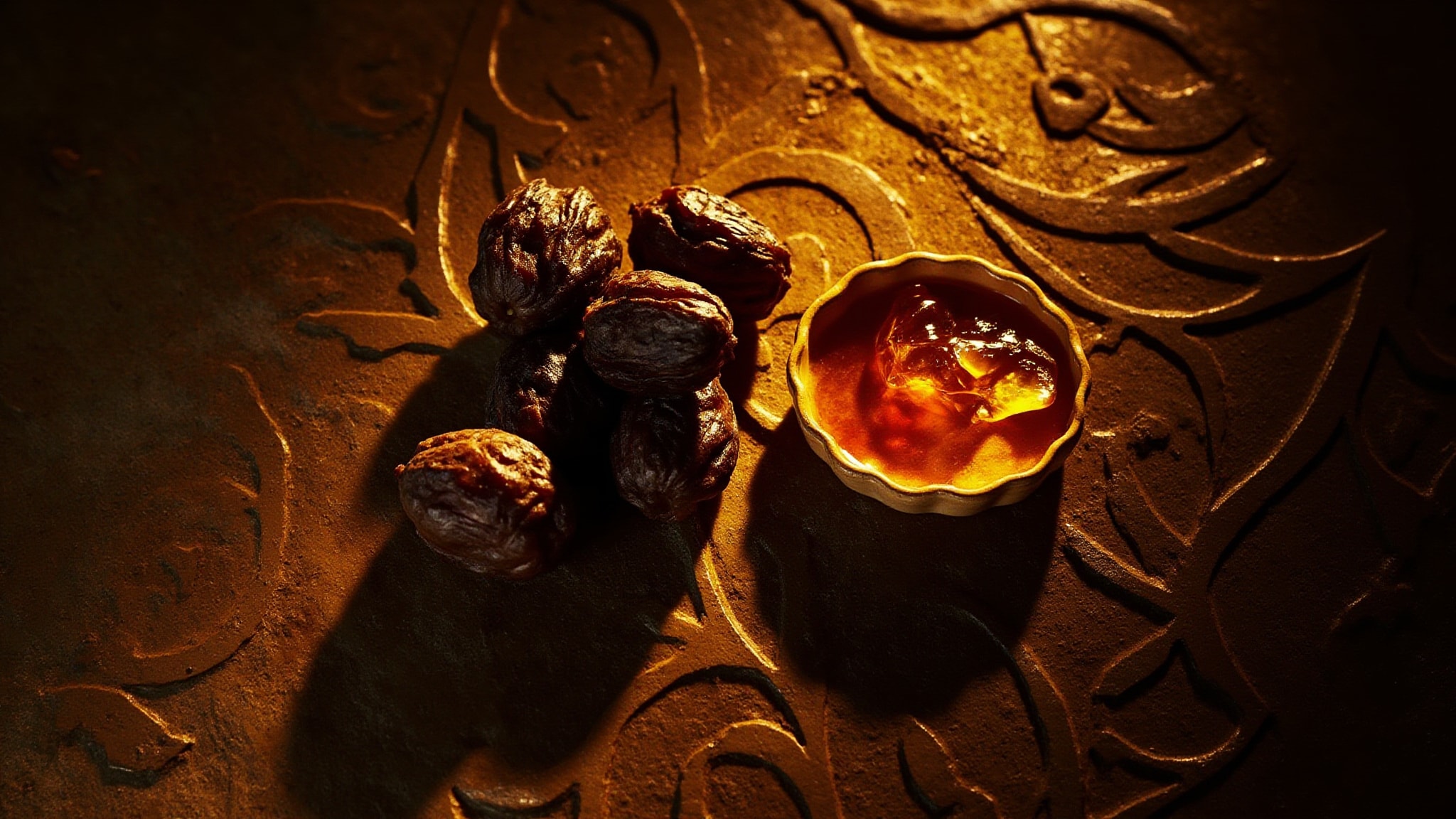
109 Parfums, the Parisian house founded in 2015, has built its identity on translating historical narratives into olfactory form. Nineveh takes its name from the ancient Assyrian capital, a city once famed for incense rituals and storied trade routes. Perfumer Patrick David was tasked with capturing this legacy, and he chose to do so through materials that speak to the ancient spice and resin trade. Dates, labdanum, amber, vanilla, ambergris, and cinnamon each have connections to the materials that would have passed through Mesopotamian markets. The brief called for something that felt authentic to that heritage while remaining wearable in a contemporary context, resulting in a fragrance that honors its namesake without becoming a museum piece.
The choice of dates and labdanum for the opening reflects a philosophy of using materials with historical resonance. Dates have been cultivated in the Middle East for millennia, while labdanum was prized by ancient civilizations for its incense and medicinal properties. In the heart, amber and vanilla work together to create a warm, inviting character that feels both luxurious and comforting. Ambergris, though less commonly discussed, has a long history in perfumery for its ability to add depth and longevity. Cinnamon completes the composition with its spiced warmth, a nod to the spice routes that would have connected Nineveh to distant lands.
The evolution
The opening of Nineveh presents dates first, a fruit with deep roots in Mesopotamian history, paired with labdanum, a resin used in incense since antiquity. This combination creates an immediate sense of place, sweet yet grounded. As the fragrance moves into its heart, amber emerges as the dominant force, its warm, balsamic character reinforced by vanilla. The transition feels organic, as if the date's sweetness is slowly dissolving into something richer and more encompassing. By the time ambergris arrives in the drydown, the composition has shifted from primarily sweet to primarily warm, with the ambergris lending an unexpected animalic depth. Cinnamon appears last, adding a dry spice that provides contrast to the sweetness that preceded it. The evolution tells a story of transformation, from fruit and resin through golden warmth to a finish that is both spicy and complex.
Cultural impact
Since its 2018 debut, Nineveh has become a reference point for niche oriental fragrances that seek a narrative rooted in ancient culture. Wearers often cite its warm amber core as a comforting backdrop for winter evenings, while collectors appreciate its balanced blend of sweet fruit and resinous spice. It sits alongside Amouage and Xerjoff in discussions of modern takes on historic incense, offering a distinct date‑laden opening that sets it apart in the niche community.