

    Brand Profile

    109 Parfums is a Paris‑based niche fragrance house that emerged in 2015 from a circle of friends who shared a love of scent and a desire to…More

    France·Est. 2015·Site

    4.7

    Rating

    9
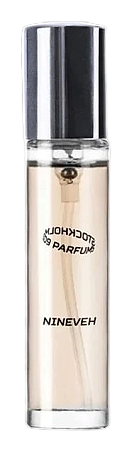
    Nineveh by 109 Parfums
    Best Seller
    4.7

    Nineveh

    Sidi Slimane by 109 Parfums
    Best Seller
    4.4

    Sidi Slimane

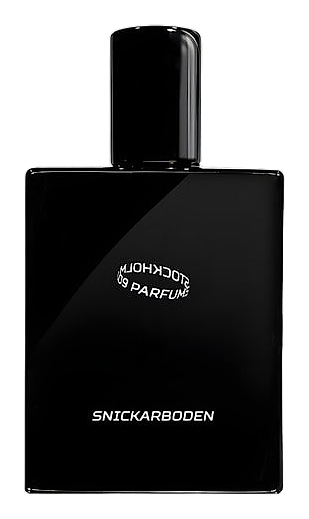
    Snickarboden by 109 Parfums
    Best Seller
    4.4

    Snickarboden

    Lail by 109 Parfums
    4.3

    Lail

    Zafaran Obscur by 109 Parfums
    4.3

    Zafaran Obscur

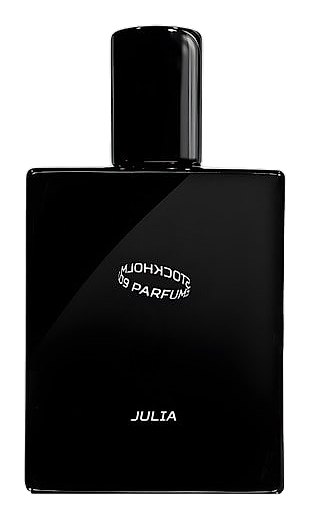
    Julia by 109 Parfums
    4.2

    Julia

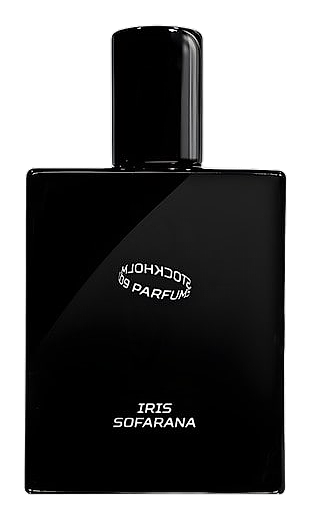
    Iris Sofarana by 109 Parfums
    4.1

    Iris Sofarana

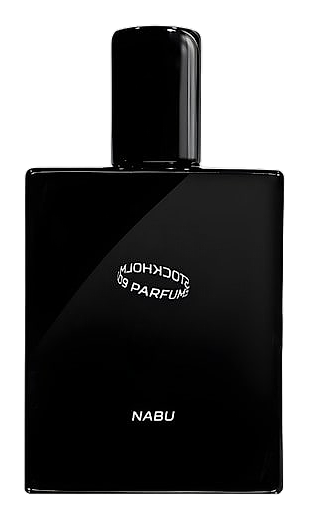
    Nabu by 109 Parfums
    3.9

    Nabu

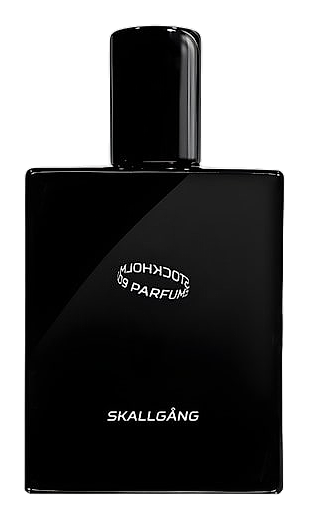
    Skallgang by 109 Parfums
    3.5

    Skallgang

    The Heritage

    The Story of 109 Parfums

    109 Parfums is a Paris‑based niche fragrance house that emerged in 2015 from a circle of friends who shared a love of scent and a desire to make distinctive, story‑driven perfumes without the pretence of luxury branding. The label quickly built a catalogue that leans toward rich, often Middle‑Eastern inspired compositions, yet each bottle retains a clean, modern silhouette. By partnering with established perfumers and sourcing ingredients from traditional regions, the brand offers a portfolio that feels both adventurous and approachable, inviting collectors and casual wearers alike to explore nuanced olfactory narratives.

    Heritage

    The company was founded in 2015 in Paris by three longtime friends—Jérôme, Thomas and Pierre—who met regularly at a small café on Rue du Faubourg Saint‑Honoré. Their shared fascination with vintage perfume archives and contemporary scent trends led them to launch a brand that would prioritize creative freedom over conventional market positioning. The name 109 references the street number of the building where the trio first discussed the venture, a modest space that later housed their first office and sampling room. In its inaugural year the house released a limited run of “Nineveh,” a fragrance that drew on ancient Mesopotamian incense rituals and set the tone for the brand’s interest in historical and cultural motifs. 2016 saw the introduction of “Julia,” a floral‑spicy blend created with perfumer Quentin Bisch, which earned a place on several independent fragrance blogs for its balanced composition. By 2018 the label expanded its lineup dramatically, unveiling a cluster of oud‑centric scents—Sidi Slimane, Snickarboden, Zafaran Obscur, Nabu and Skallgang—each developed in collaboration with perfumers Olivier Cresp, Ralf Schwieger and others. The year 2019 added “Lail,” a night‑inspired amber piece that highlighted the brand’s willingness to experiment with darker tonalities. Throughout its first five years, 109 Parfums maintained a steady output of two to three new releases per year, a cadence that allowed the house to refine its sourcing practices and deepen relationships with ingredient suppliers in Morocco, Italy and France. In 2021 the brand celebrated its sixth anniversary with a limited‑edition reinterpretation of “Sidi Slimane,” featuring a hand‑blown glass bottle crafted by a Moroccan artisan. The following year, 2022, marked the launch of a sustainability initiative that introduced recycled glass packaging for all new releases and a public commitment to disclose full ingredient lists on the website. By 2024 the house had established a modest but loyal following across Europe and North America, with its fragrances appearing in specialty boutiques and curated online platforms that focus on independent perfume houses.

    Craftsmanship

    Production takes place in a small, climate‑controlled facility in the outskirts of Paris, where the team follows a multi‑stage process designed to preserve the integrity of each ingredient. Raw materials arrive after rigorous quality checks; natural oud chips are steam‑distilled under low temperature to retain their woody depth, while citrus extracts are cold‑pressed to capture bright top notes. The selected perfumer creates a raw formula, which is then sent to the house for a series of trial batches. Each batch undergoes a three‑week maceration period in stainless steel vats, allowing the alcohol and aromatic compounds to meld fully. After maceration, the mixture is filtered through a series of fine membranes to remove any particulate matter, then transferred into glass containers for a final aging phase that can last from one to six months depending on the fragrance’s structure. Quality control includes gas chromatography analysis to verify the presence and concentration of key aroma chemicals, ensuring consistency across production runs. Bottles are supplied by a historic French glassmaker that specializes in clear, thick‑walled containers; caps are machined from brushed aluminum and feature a subtle engraved logo. Labels are printed on recycled paper using soy‑based inks, aligning with the brand’s environmental commitments. The final product is sealed with a tamper‑evident foil and packaged in a minimalist cardboard sleeve that includes a brief story about the scent’s inspiration. Throughout the process, the house maintains a dialogue with its ingredient partners, often visiting farms in Morocco or orchards in Italy to confirm sustainable harvesting methods and to foster long‑term relationships that support both quality and ethical standards.

    Design Language

    Visually, 109 Parfums adopts a restrained, monochrome palette that lets the fragrance itself take centre stage. The primary logo consists of the number 109 rendered in a clean, sans‑serif typeface, often embossed in matte black or brushed silver on the bottle neck. Bottles are typically rectangular with slightly rounded shoulders, a shape that conveys both modernity and stability. Caps are simple discs, sometimes finished in brushed metal, that complement the understated label design. Labels feature a single line of text: the fragrance name, the perfumer’s credit, and a brief tagline, all set in a modest font size to avoid visual clutter. The brand’s marketing imagery favors muted backgrounds—concrete, wood or stone—and natural lighting, reinforcing the idea that the scent is an extension of the environment rather than a staged product. Limited editions occasionally introduce a splash of color, such as a deep indigo lacquer on the cap for the “Sidi Slimane” reinterpretation, but even these variations remain within a controlled visual language. The overall aesthetic communicates confidence without flash, aligning with the house’s ethos of letting quality speak for itself.

    Philosophy

    109 Parfums frames each creation as a narrative fragment, drawing inspiration from geography, history and personal memory. The founders have repeatedly emphasized that scent should act as a bridge between the wearer and a specific moment or place, rather than merely a decorative accessory. This perspective drives the brand’s selection of raw materials: rare oud from the forests of Assam, saffron harvested in Iranian highlands, and vintage citrus oils from the coastal groves of Sicily. Transparency is a core value; the website lists every ingredient for each perfume, allowing consumers to understand the composition without relying on vague marketing language. The house also embraces collaboration, inviting perfumers with distinct stylistic signatures to interpret its thematic briefs. Rather than imposing a single aesthetic, the brand encourages its partners to bring their own creative vocabulary, resulting in a portfolio that feels cohesive yet varied. Sustainability informs the philosophy as well: sourcing agreements prioritize fair‑trade practices, and the company works with suppliers who can trace the provenance of botanical extracts. The brand’s editorial voice, found in press releases and product notes, reads like a knowledgeable friend sharing a story, using warm, conversational language while avoiding hyperbole. This approach reflects a belief that perfume should be approachable, intellectually engaging, and rooted in authentic experience.

    Key Milestones

    2015

    109 Parfums founded in Paris by Jérôme, Thomas and Pierre; name reflects the address of their first meeting place.

    2015

    Launch of debut fragrance Nineveh, inspired by ancient Mesopotamian incense rituals.

    2016

    Release of Julia, a floral‑spicy composition created with perfumer Quentin Bisch.

    2018

    Series of oud‑focused releases (Sidi Slimane, Snickarboden, Zafaran Obscur, Nabu, Skallgang) expands the brand’s signature direction.

    2019

    Lail introduced, exploring night‑time amber and spice accords.

    2021

    Limited‑edition hand‑blown glass bottle for Sidi Slimane unveiled, collaborating with a Moroccan artisan.

    At a Glance

    Brand profile snapshot

    Origin

    France

    Founded

    2015

    Heritage

    11

    Years active

    Collection

    1

    Fragrances released

    Avg Rating

    4.7

    Community sentiment

    Release Rhythm

    2019
    1
    2018
    8
    109parfums.com

    Did You Know?

    Interesting Facts

    Distinctive details and defining moments that shape the house personality.

    01

    The number 109 refers to the street number of the building where the founders first gathered to discuss the brand.

    02

    Nineveh’s formulation includes a rare resin sourced from a single family-owned distillery in the Zagros mountains.

    03

    109 Parfums was among the first niche houses to publish a complete, ingredient‑by‑ingredient breakdown for each fragrance on its website.

    04

    The limited‑edition Sidi Slimane bottle was hand‑blown by a Moroccan craftsman who traditionally creates ceremonial glassware.

    05

    Several 109 Parfums releases have been shortlisted for the Fragrance Foundation’s ‘Niche Fragrance of the Year’ award.

    The Artisans

    The Perfumers