
The Story
Why it exists.
The beginning
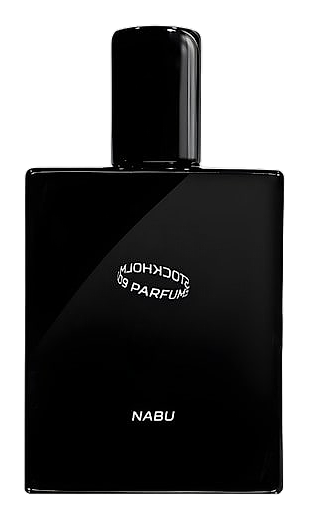
Named for Nabu, the Mesopotamian god of literacy and wisdom, this 2018 composition from 109 Parfums draws on the ancient world's obsession with written knowledge and the sun-baked landscapes it was born in. Perfumer Patrick David built the fragrance around that dual current: intellectual weight and raw, arid warmth. The cardamom-carrot opening nods to ancient spice routes, a slightly sweet, earthy brightness that feels pulled from a market stall rather than a lab. As the top settles, the tobacco-sandalwood core takes over, dense and resinous, evoking temple smoke curling around sun-warmed clay tablets. There's a dry, papery quality to the mid-stage that recalls pressed reed and old parchment, a texture more than a smell.
Carrot seed is an unusual lead note in niche perfumery. Most houses reach for citrus or bergamot to open, but David chose the root vegetable for its dry, hay-like bitterness, a choice that immediately signals this isn't going to soften into anything conventionally pretty. The cardamom reinforces that decision, green and slightly smoky rather than the bright, sweet version most fragrances use. Together they create an opening that reads more like a library in summer than a bar or a garden.
The evolution
The first thirty minutes belong to the carrot seed and cardamom, dry, powdery, slightly bitter, like crushed herbs on a warm wooden shelf. There's a fleeting greenness that smells almost edible, root vegetables pulled from dry soil. Then the tobacco arrives. Not the sweet, vanilla-laced tobacco of a lounge, but the drier, leafier kind, closer to a fresh page in an old book than to a cigar. Vetiver threads underneath, adding its earthy, slightly metallic hum. By the two-hour mark, the sandalwood has settled into its final form: creamy, warm, faintly woody, holding the whole composition together like a wooden binding. The drydown stretches into the six-hour range, close to skin, more felt than smelled. On fabric the next morning, the sandalwood survives, quiet and persistent, a trace of something that was once sharper.
Cultural impact
Nabu reads as intellectual rather than seductive, the kind of scent someone wears to signal taste rather than to attract a compliment. The composition leans into dryness: there's very little sweetness to soften the tobacco or the carrot's earthy edge, and the sandalwood provides warmth without lapsing into the creamy comfort zone of similar woody fragrances. It shares DNA with compositions like Frederic Malle's Musc Ravageur and Histoires de Parfums' 1969 Parfum de Revolte, both of which treat tobacco as a vehicle for something denser and more conceptual than mainstream tobacco fragrances.