Zebrano Wood
Zebrano wood delivers a warm, exotic presence in fragrance compositions. Its distinctive striped grain conceals a rich aromatic profile that adds unexpected depth to woody and oriental perfumes.
Character
How it smells
Exotic striped wood with warm, aromatic depth.
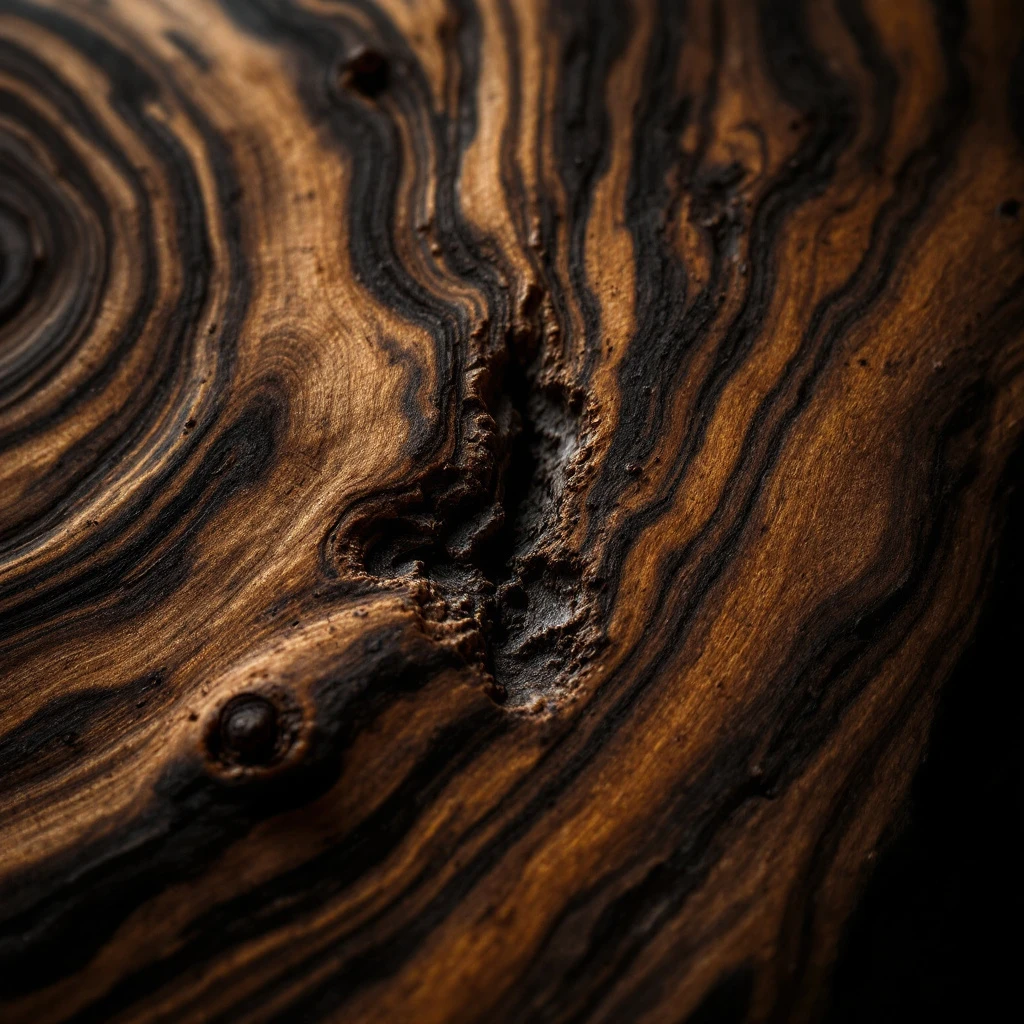
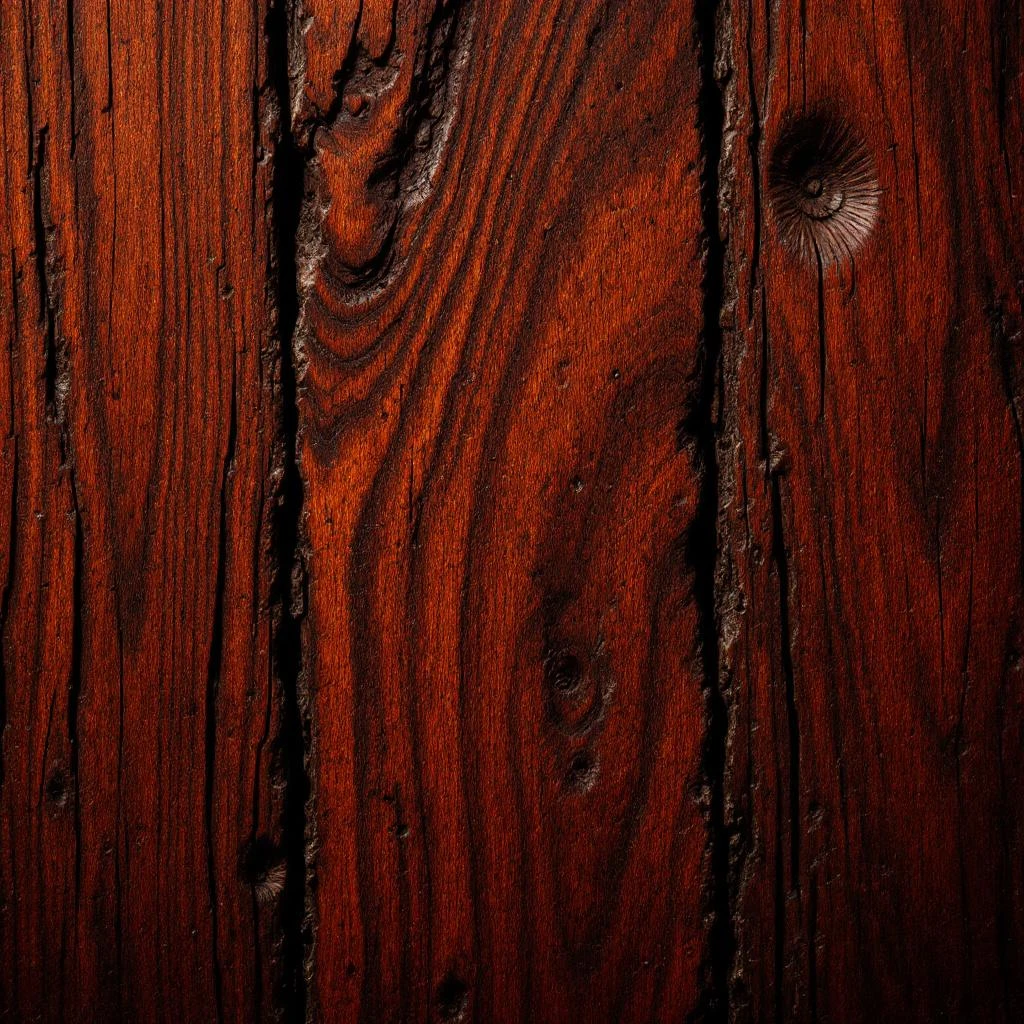
The striking zebra-like stripe pattern in Zebrano wood comes from alternating bands of light and dark tissue created during growth.



Origin
Cameroon
Zebrano wood originates from the tropical forests of Central Africa, where the Microberlinia tree grows natively in Cameroon, Gabon, and surrounding regions. Indigenous peoples of these areas have long valued the wood for carving and construction, drawn to its dramatic striped appearance. The wood gained international attention during the mid-20th century when European craftsmen began using it for luxury furniture and musical instruments.
Its introduction to perfumery came later, as fragrance houses sought novel wood notes that could provide differentiation in competitive markets. African aromatic traditions often incorporated local woods into ceremonial applications, though Zebrano wood's specific perfumery use is relatively contemporary, emerging primarily in the late 20th century.
Wears it best
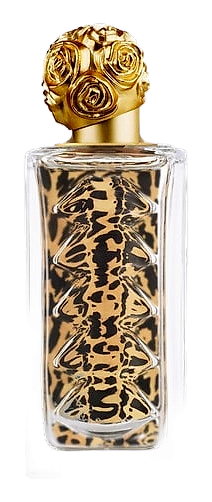
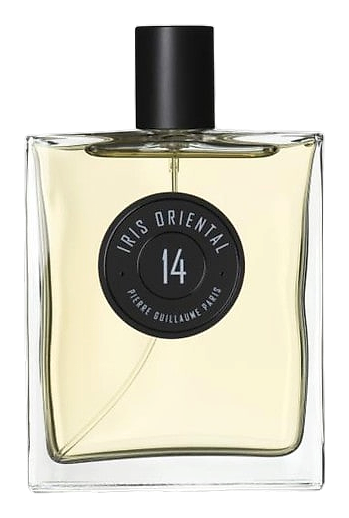
Fragrances featuring Zebrano Wood
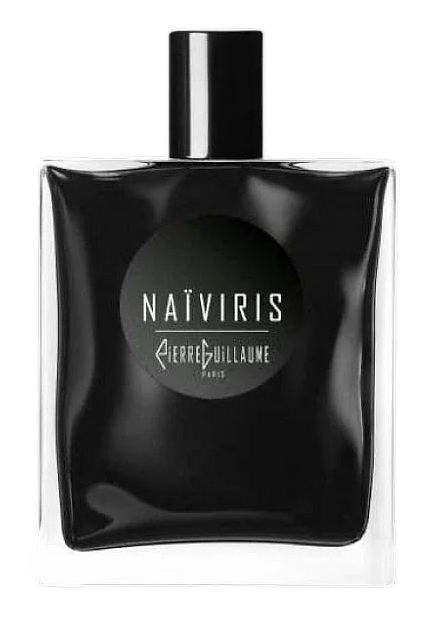
Brands
Brands known for Zebrano Wood
Good to know
Questions, answered
The essentials on Zebrano Wood in perfumery: how it smells, where it comes from, and how it behaves on skin.
What does Zebrano wood smell like?
Zebrano wood offers a warm, woody scent with sweet undertones and subtle smoky qualities. It adds rich, exotic depth when used as a base note in fragrance compositions.
Is Zebrano wood a natural fragrance ingredient?
Yes, Zebrano wood is a natural ingredient extracted via steam distillation from the heartwood of the Microberlinia tree native to Central African forests.
Where does Zebrano wood come from?
Zebrano wood originates from the Microberlinia tree growing in Cameroon, Gabon, and neighboring Central African nations, primarily harvested from mature specimens.
Is Zebrano wood sustainable?
Zebrano wood faces conservation concerns due to overharvesting. Some suppliers now source from managed plantations to ensure sustainable supply chains.
What fragrance families use Zebrano wood?
Zebrano wood appears most often in woody and oriental fragrances. It works well alongside sandalwood, oud, and warm spice notes in base compositions.
How is Zebrano wood oil produced?
Steam distillation of dried, ground heartwood produces Zebrano oil. The dense wood requires extended distillation time to yield the aromatic compounds.
Does Zebrano wood have fixative properties?
Zebrano wood oil exhibits strong fixative qualities, helping fragrance compositions maintain their character on skin throughout the wearing period.
Can Zebrano wood be synthesized?
Synthetic alternatives exist but typically lack the full complexity of natural Zebrano wood. Natural extraction preserves the ingredient's characteristic warm, aromatic profile.