Okoumé
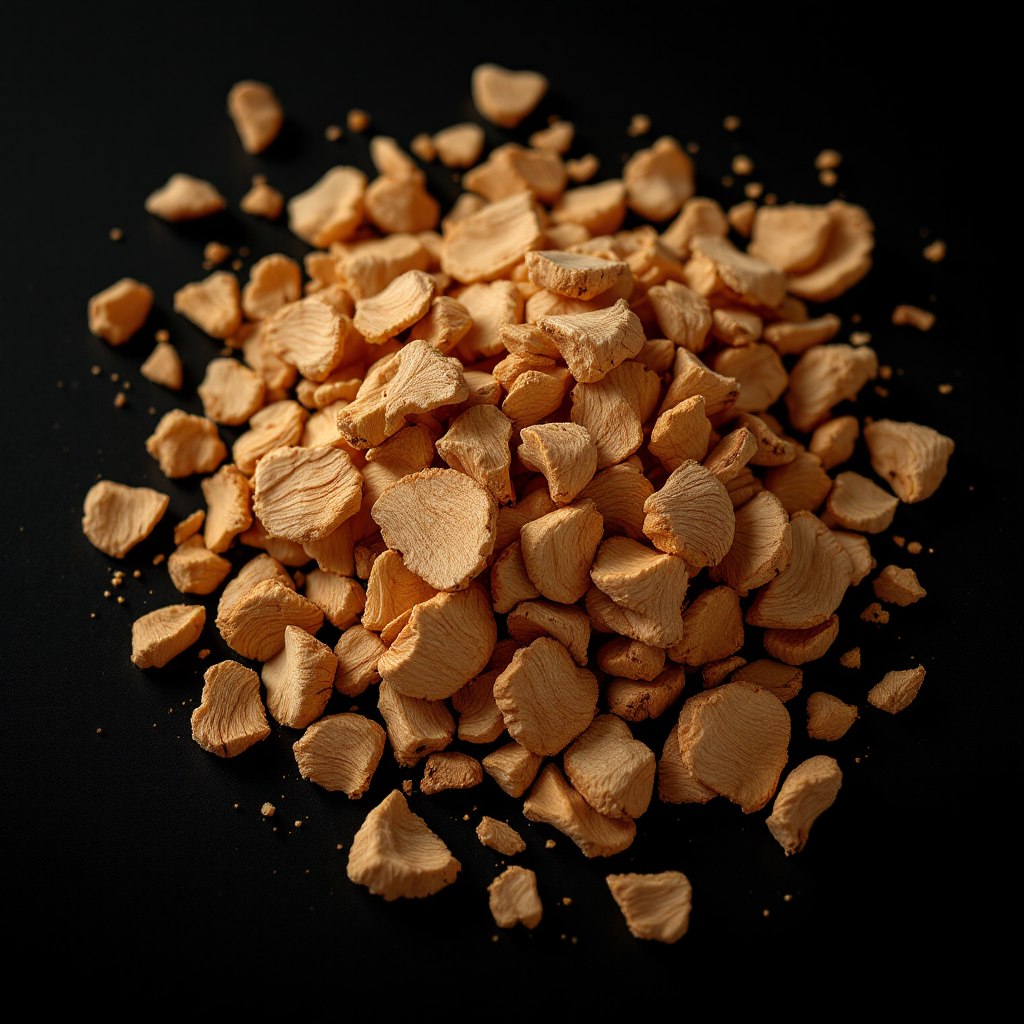
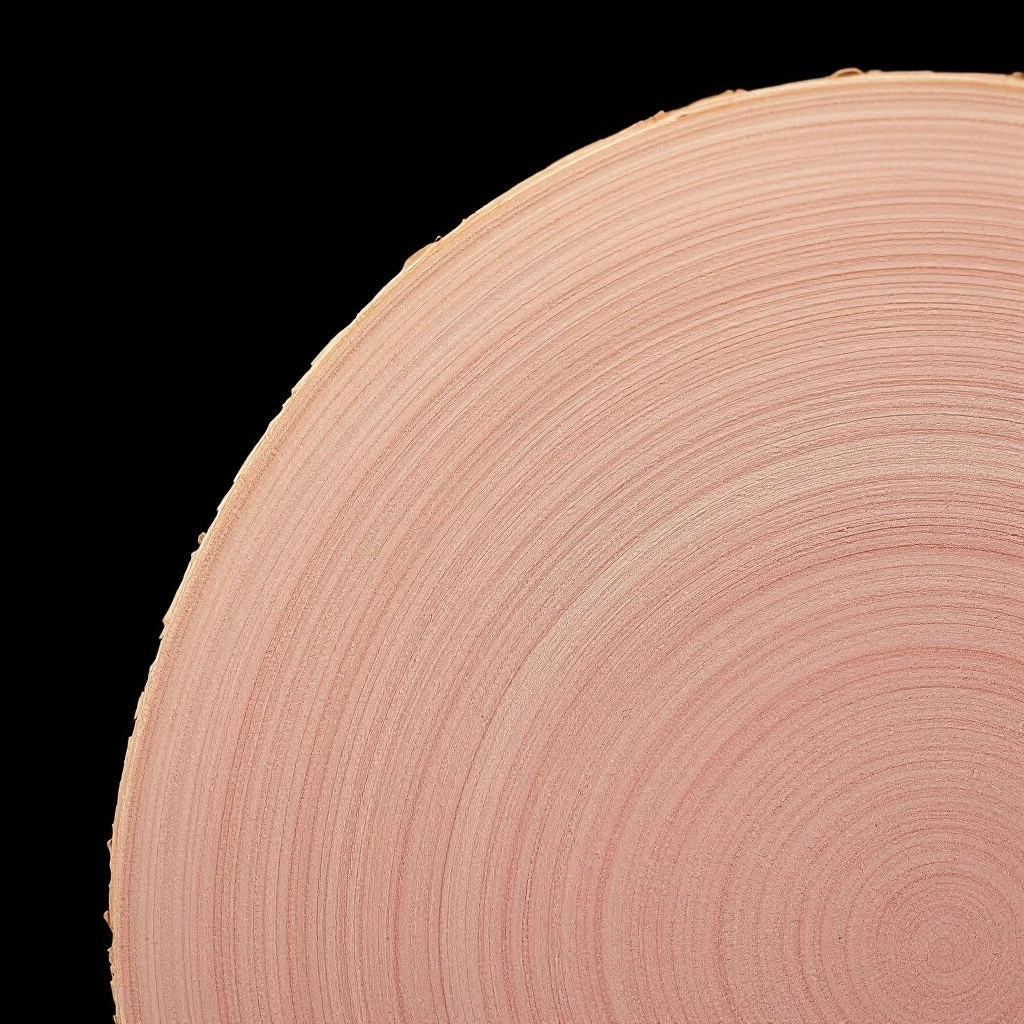
Okoumé is a tropical hardwood from the Burseraceae family, native to the rainforests of Central Africa. Its aromatic resin and wood yield a warm, balsamic scent that perfumers value as a grounding base note with subtle resinous undertones.
Character
How it smells
Central Africa's aromatic hardwood with warm, resinous depth.
Okoumé trees can reach heights of 60 meters, towering above the dense rainforest canopy in their native Gabon.







Origin
Gabon
Okoumé takes its name from the Bakongo word for the tree, reflecting its deep roots in Central African culture. The Aucoumea klaineana species was formally classified by French botanist Georges Le Testu in the early twentieth century. For centuries, indigenous communities in Gabon and surrounding regions used the resin for ceremonial purposes and traditional medicine.
The timber gained commercial importance in the mid-twentieth century for plywood manufacturing, but perfumers gradually recognized its aromatic potential. Today, sustainable harvesting practices ensure the species remains abundant while supplying the fine fragrance industry with this distinctive African wood note.
Wears it best
Fragrances featuring Okoumé
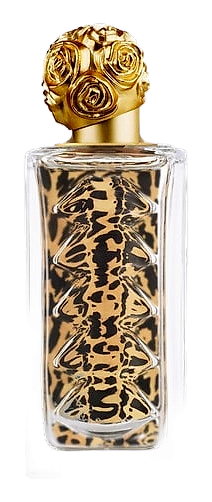

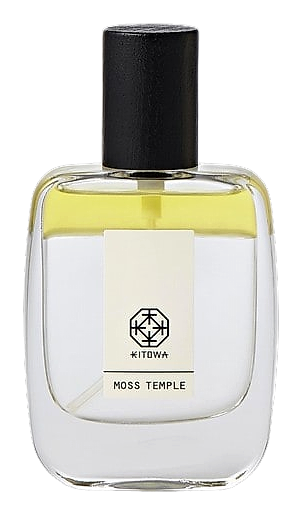
Brands
Brands known for Okoumé
Good to know
Questions, answered
The essentials on Okoumé in perfumery: how it smells, where it comes from, and how it behaves on skin.
What does Okoumé smell like?
Okoumé offers a warm, resinous wood scent with balsamic sweetness and subtle vanilla undertones. It functions as a grounding base note that adds depth and longevity to fragrance compositions.
Is Okoumé a sustainable ingredient?
Yes, sustainable harvesting practices protect Okoumé populations. Gabon maintains forest management programs, and selective harvesting ensures trees are taken only after reaching maturity.
What fragrance families use Okoumé?
Perfumers incorporate Okoumé primarily in woody and oriental fragrances. It pairs well with other base notes like sandalwood, cedar, and resinous materials such as frankincense.
How does Okoumé compare to other wood notes?
Okoumé sits between the brightness of cedar and the darkness of oud. Its resinous quality gives it more warmth than most hardwoods, closer to myrrh or opoponax in character.
Can Okoumé be synthetically replicated?
No reliable synthetic alternative captures Okoumé's full aromatic profile. The natural material's complex balance of woody, balsamic, and subtle sweet notes remains difficult to reproduce authentically.
What part of the Okoumé tree is used in perfumery?
Perfumers extract fragrance from the heartwood and bark resin. The heartwood contains the highest concentration of aromatic compounds, harvested when the tree reaches optimal maturity.
Where does quality Okoumé originate?
Gabon produces the finest Okoumé for perfumery. The country's equatorial rainforest climate and soil conditions create ideal growing circumstances for trees with superior aromatic properties.
Does Okoumé appear frequently in mass-market fragrances?
No, Okoumé remains relatively rare in commercial fragrances. Its specialized sourcing and extraction requirements make it more common in niche and artisan perfumery.