Zanzibar Cardamom
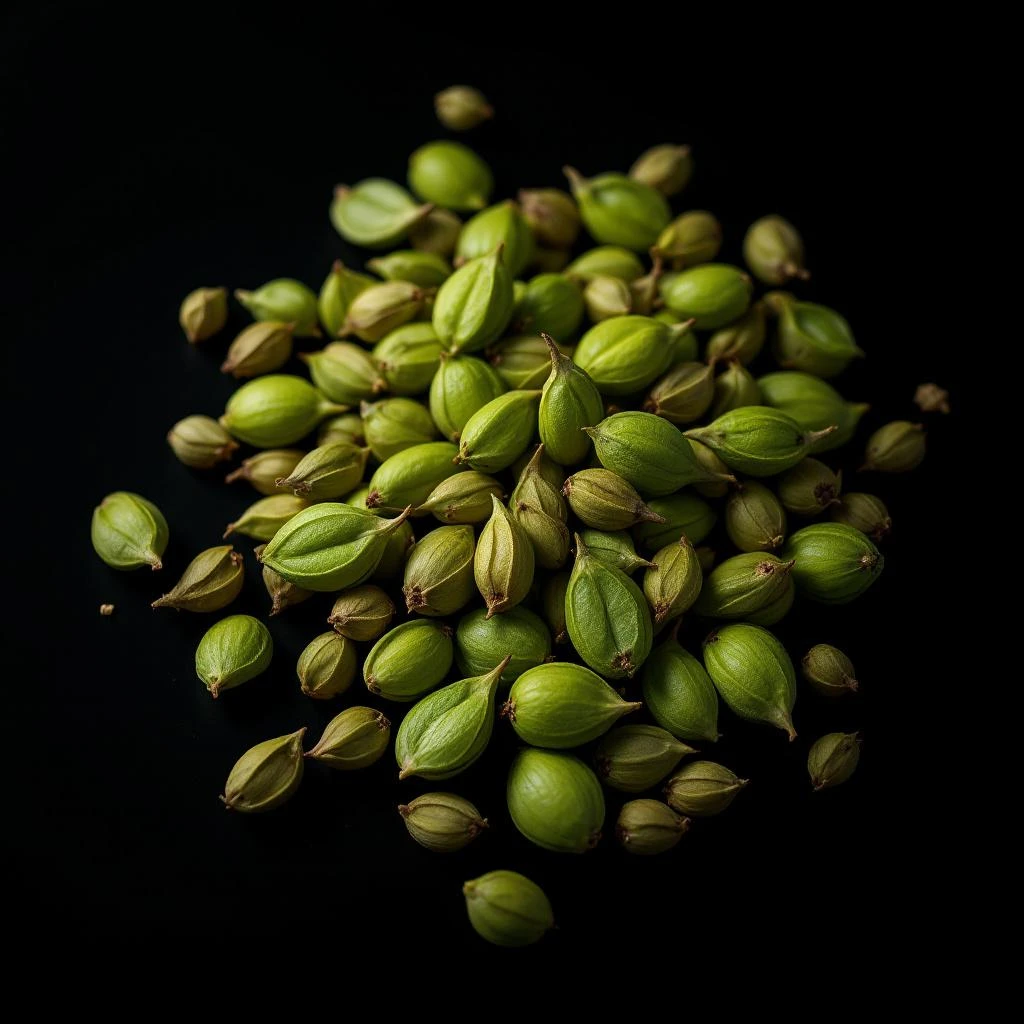
Zanzibar cardamom carries the soul of East Africa's spice islands. Smaller and darker than its Indian cousin, this variety delivers a intensely aromatic, slightly smoky warmth that perfumers prize for adding depth and exotic intrigue to fragrance compositions. A secret weapon in modern perfumery.
Character
How it smells
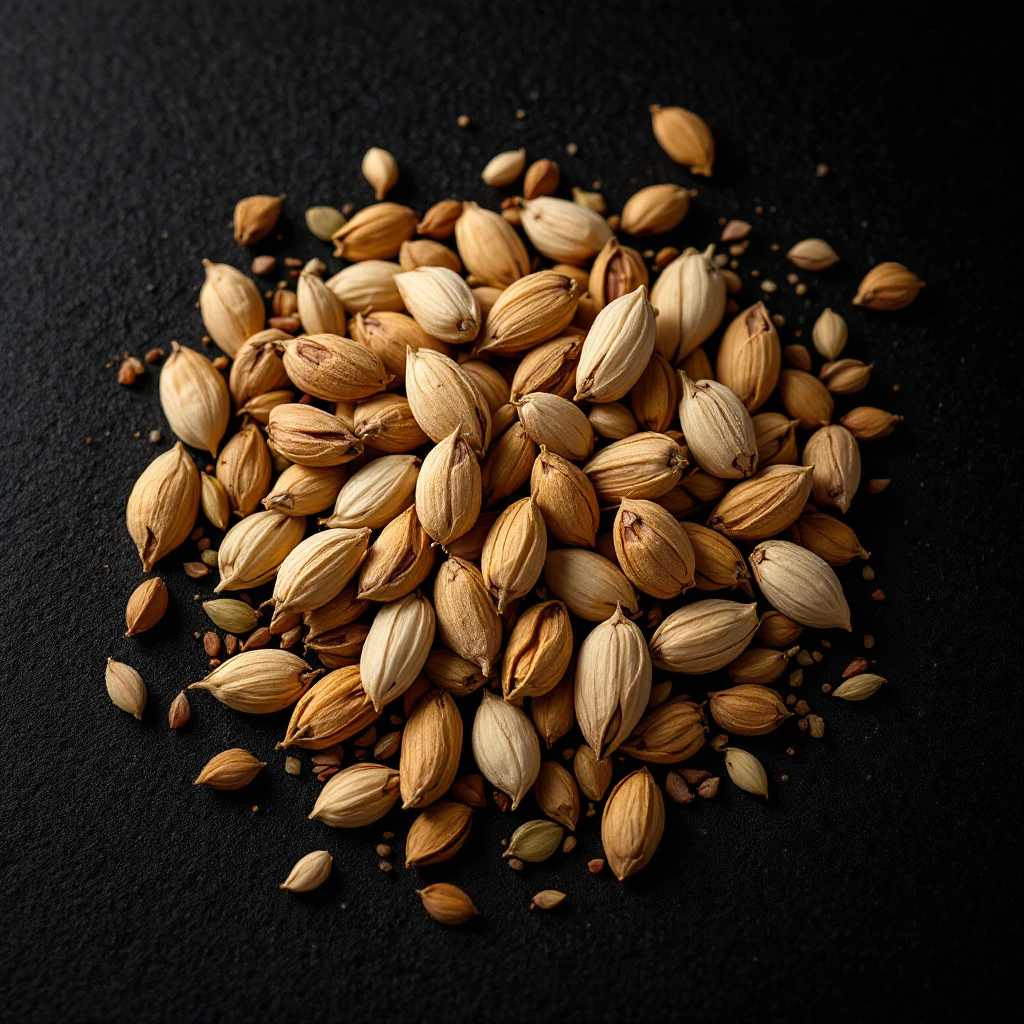
Bold, smoky warmth from East Africa's spice islands
Zanzibar was once the world's most important spice trading hub, controlling up to 90% of the global cardamom trade during the 19th century.


Origin
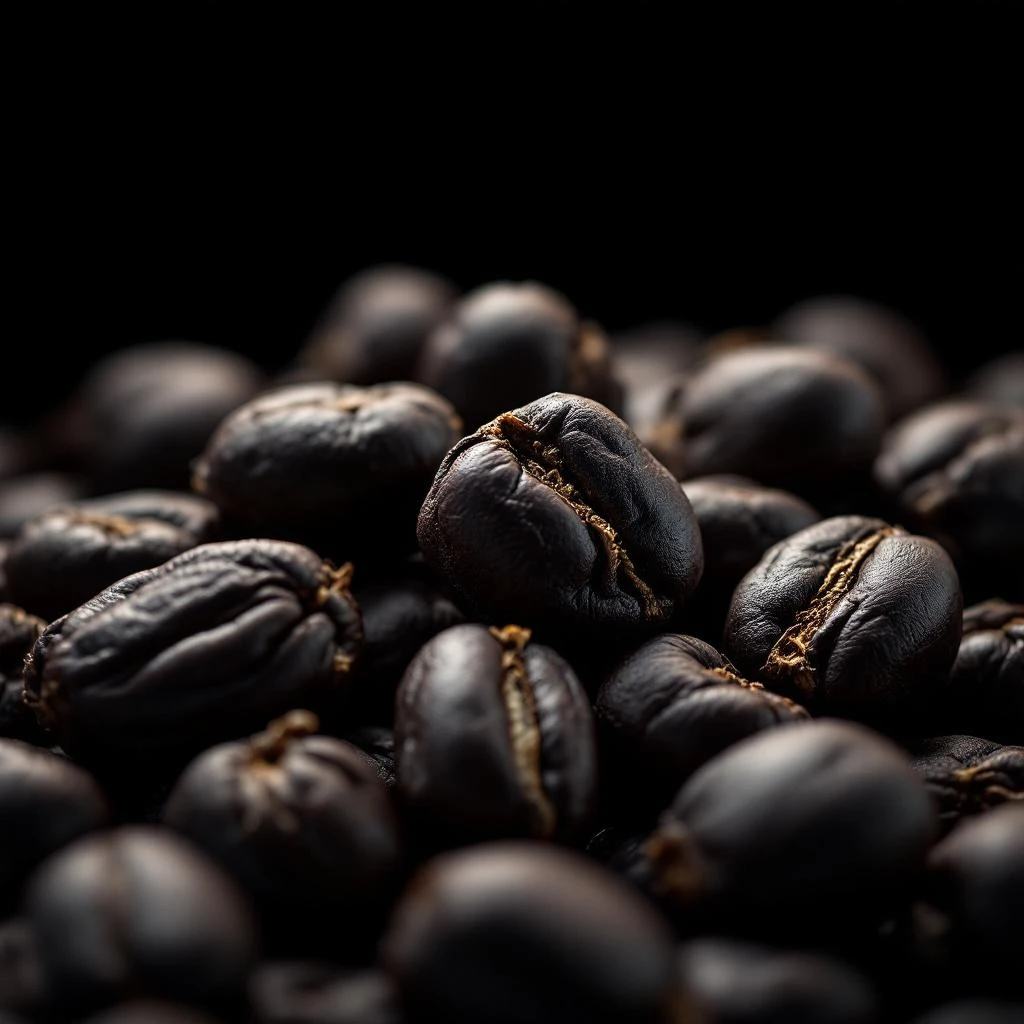
Tanzania
Cardamom traveled ancient trade routes from South India to become one of the most coveted spices in Mediterranean markets by 1000 BCE. Zanzibar's strategic position along the Swahili Coast made it a critical node in the spice trade between Africa, Arabia, and India by the 15th century. Arab merchants recognized Zanzibar's ideal growing conditions, introducing cardamom cultivation to the islands where it flourished in the humid, volcanic soil.
By the 1800s, Zanzibar had become the world's dominant cardamom exporter, a position it held for generations. The spice found its way into ancient Egyptian incense, medieval European apothecary preparations, and eventually into the perfumes crafted by Mediterranean artisans who prized its complex, multifaceted aroma.
Wears it best
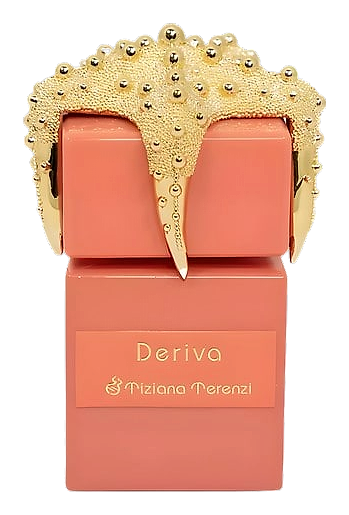
Fragrances featuring Zanzibar Cardamom
Brands
Brands known for Zanzibar Cardamom
Good to know
Questions, answered
The essentials on Zanzibar Cardamom in perfumery: how it smells, where it comes from, and how it behaves on skin.
What makes Zanzibar cardamom different from green cardamom?
Zanzibar cardamom has a more intense, slightly smoky quality with warmer, more camphoraceous notes. The island's volcanic soil and humid climate produce smaller pods with higher essential oil concentration, giving perfumers a bolder, more complex spice note.
How does Zanzibar cardamom smell in perfume?
It smells intensely aromatic and spicy with fresh, slightly citrusy top notes transitioning to warm, resinous undertones. In compositions, it adds depth and exotic warmth that lifts green and citrus elements while anchoring lighter floral components.
Is Zanzibar cardamom used in high-end perfumery?
Yes, independent and niche perfumers frequently specify Zanzibar cardamom for its distinctive terroir-driven character. Its complexity suits signature and artisan fragrances where ingredient sourcing matters.
What fragrance families use Zanzibar cardamom?
It appears most often in oriental, spicy, and woody compositions. Perfumers also use it in fresh colognes and modern fougere structures where it adds unexpected warmth and depth without heaviness.
How much cardamom oil is in a typical perfume?
Cardamom functions as a note rather than a dominant ingredient in most formulations. Concentrations typically range from 0.5% to 3% in fragrance concentrates, used strategically to add sparkle or warmth rather than dominate the blend.
Does Zanzibar cardamom have other uses?
Culinary applications remain primary, where it flavors curries, teas, and desserts across East Africa and India. Traditional medicine uses it for digestive support and breath freshening in both regions.
How long has Zanzibar grown cardamom?
Cultivation began in the 15th century when Arab traders introduced the crop, establishing Zanzibar as a major producer by the 1800s with up to 90% of global exports.
Can cardamom be synthetically reproduced?
Synthetics like 1,8-cineole and alpha-terpinyl acetate mimic aspects of cardamom's aroma. However, natural Zanzibar cardamom retains complex terpenes that synthetics cannot fully replicate, making the natural ingredient preferred for nuanced compositions.