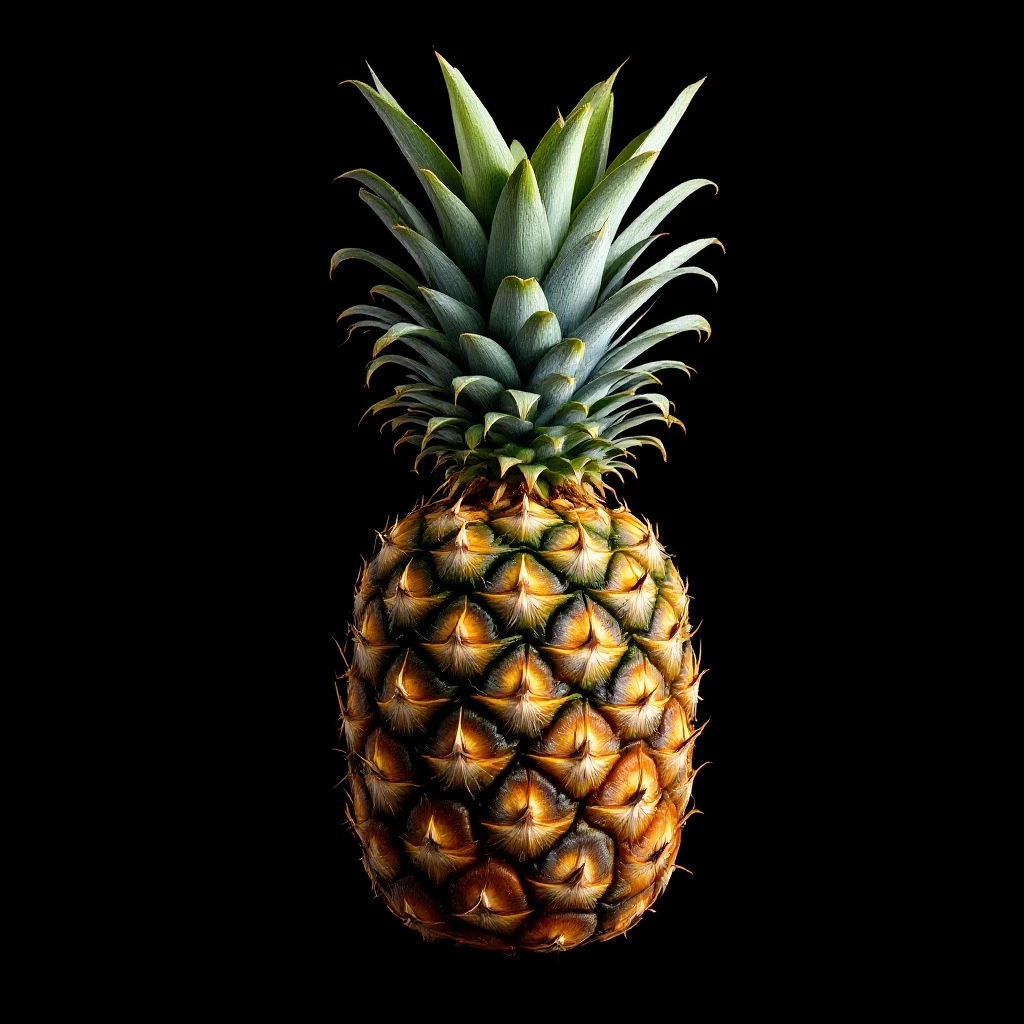
Brazilian pineapple
Bright, tart-sweet tropical fruit that captures the sun-drenched essence of Brazilian rainforests. Brazilian pineapple brings an unmistakable vibrancy to fragrances, from sparkling top notes to lush tropical heart compositions.
Character
How it smells
Sun-ripened tropical brilliance
No pineapple essential oil exists. Fragrance chemists reconstruct the fruit's scent molecule by molecule from ester compounds found in its flesh.





Origin
Brazil
Wild pineapples first grew in the Amazon basin of Brazil, where indigenous peoples cultivated them long before European contact. The fruit held ceremonial and medicinal importance across tribes.
When Christopher Columbus encountered pineapple in Guadeloupe in 1493, he carried samples back to Europe, though the tropical plant proved difficult to cultivate outside humid climates. Portuguese traders subsequently spread pineapple throughout South and Central America, where Brazilian varieties developed distinctive sweetness from volcanic soils and intense tropical rainfall.
By the 1600s, wealthy Europeans displayed pineapple as status symbols at banquets, sometimes renting rather than eating the rare fruit. The Brazilian rainforest origin shaped the pineapple's evolution into a globally significant crop and flavor agent, though its perfumery journey required chemistry rather than cultivation.
Wears it best
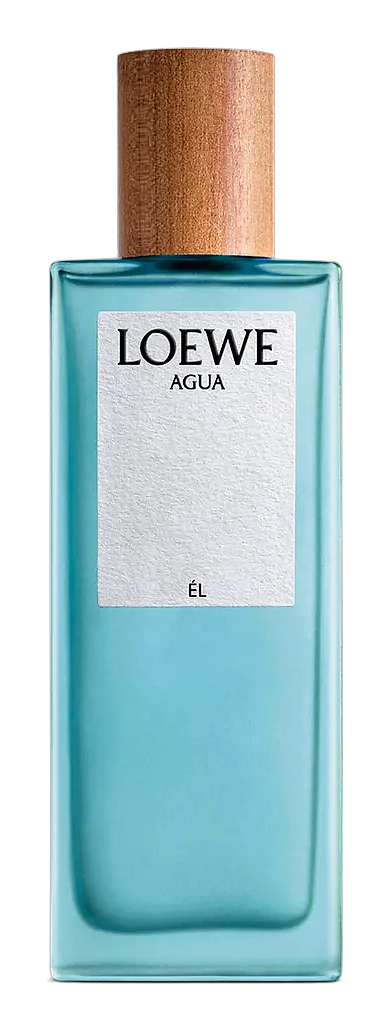
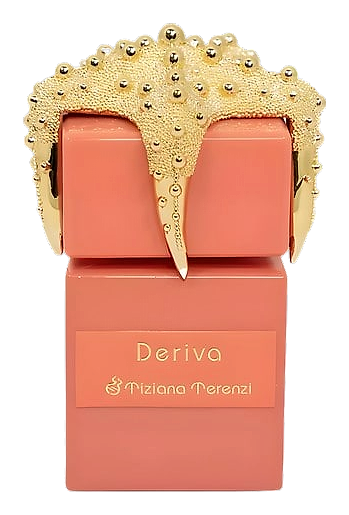
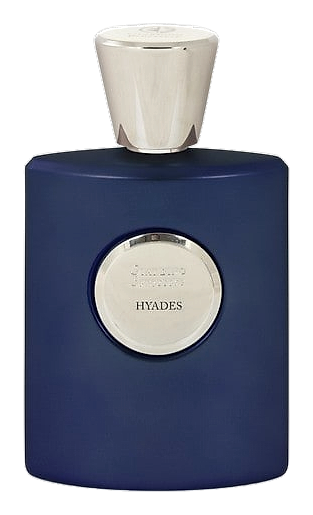
Fragrances featuring Brazilian pineapple
Brands
Brands known for Brazilian pineapple
Good to know
Questions, answered
The essentials on Brazilian pineapple in perfumery: how it smells, where it comes from, and how it behaves on skin.
Can you extract pineapple scent from the actual fruit?
No. Pineapple contains too little aromatic oil for commercial extraction, and heat destroys its fragile scent compounds during any attempt. Perfumers recreate the smell entirely through synthesized ester compounds.
What chemical compounds create pineapple's scent?
Ethyl butyrate provides the dominant sweet-fruity note, while methyl butyrate adds tangy brightness. Allyl hexanoate contributes tropical nuance. These esters combine to form a recognizable pineapple accord.
Why is Brazilian pineapple specifically notable?
Brazil produces some of the world's sweetest pineapple varieties. The country's volcanic soils, consistent rainfall, and tropical sun create fruit with exceptionally high ester content, influencing how perfumers conceptualize the ideal pineapple note.
How long has pineapple been used in perfumery?
Pineapple entered perfumery in the late 19th century alongside the rise of organic synthesis. Before this, perfumers lacked the technology to recreate tropical fruit notes convincingly.
Does pineapple in fragrance smell realistic?
Modern synthetic pineapple accurately replicates the fresh fruit's aroma more consistently than any extracted alternative could. Quality varies by perfumer, but the synthetic approach outperforms any possible natural extraction.
What fragrance families pair well with pineapple notes?
Pineapple appears most in tropical, fruity, and fresh compositions. It combines naturally with coconut, vanilla, citrus, and marine notes. Perfumers also use it to soften sharper accords or add brightness to heavier bases.
Are there any health concerns with synthetic pineapple in fragrances?
The ester compounds used in pineapple accords undergo standard IFRA safety assessment. All approved fragrance materials meet concentration limits designed to ensure consumer safety in cosmetic applications.