Yellow Peony
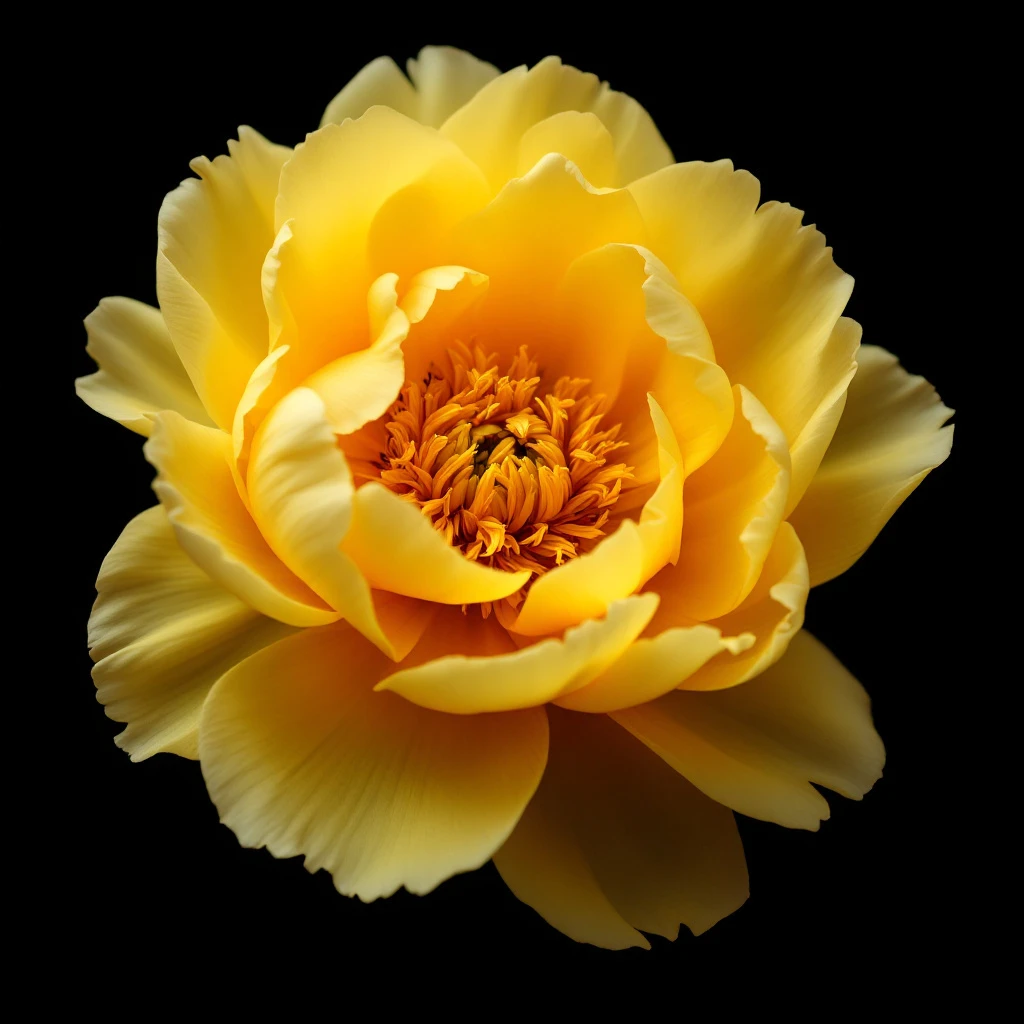
Yellow peony brings sun-drenched warmth to fragrance, a luminous floral that balances creamy sweetness with a whisper of green. This cultivated variety carries the flower's legendary softness into compositions that feel both intimate and radiant.
Character
How it smells
The muted flower that learned to speak.
While peonies grow wild in Europe and North America, yellow peony species occur naturally in China, where dedicated cultivation has produced ornamental varieties prized for centuries.





Origin
China
The peony takes its name from Paean, a figure in Greek mythology who served as physician to the gods. Legend holds that Apollo transformed Paean into this flower to preserve his healing wisdom, giving the plant an ancient association with medicine and protection.
Traditional Chinese Medicine still employs peony root for treating night sweats, injuries, and stomach complaints, continuing a therapeutic tradition that spans millennia. China remains the world's center of peony cultivation, with the Luoyang region in Henan province hosting centuries-old gardens devoted to developing the most coveted ornamental varieties.
Yellow peony varieties emerged as prized specimens within these gardens, valued for their rarity and the warmth their golden petals brought to the traditional pink and white palette. When perfumers sought to incorporate this flower's beauty into fragrance, they found a flower that could not speak through conventional means, prompting a century of creative chemistry to give it voice.
Wears it best
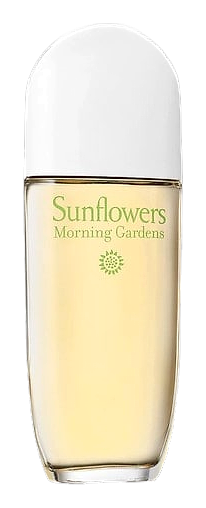
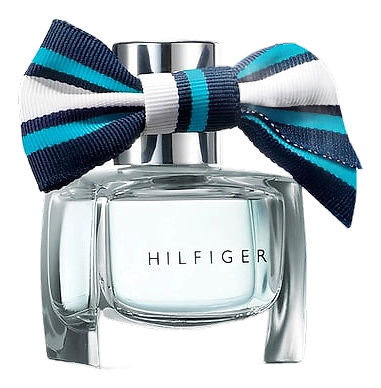
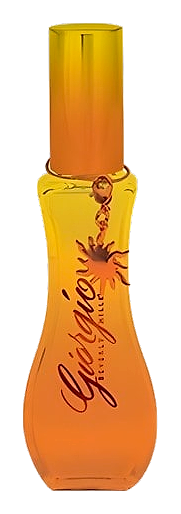
Fragrances featuring Yellow Peony

Brands
Brands known for Yellow Peony
Good to know
Questions, answered
The essentials on Yellow Peony in perfumery: how it smells, where it comes from, and how it behaves on skin.
What is yellow peony in perfumery?
Yellow peony in perfumery is a reconstructed floral accord. Because peonies do not produce extractable essential oils, perfumers build the note from rose-like aromachemicals, green compounds, and the synthetic molecule Peonile, creating an impression of the flower's soft, luminous character.
Does a natural yellow peony extract exist?
No natural yellow peony extract exists. Peonies are what perfumers call mute flowers, meaning no extraction method yields usable fragrance from the petals. All peony notes in perfumery come from laboratory reconstruction using synthetic and nature-identical materials.
What is Peonile and why does it matter?
Peonile is the first synthetic molecule designed specifically to evoke peony. Chemist Jean-Pierre Bachmann created it in 1976, giving perfumers a dedicated tool to capture the flower's fresh, rosy character in a concentrated form that had not existed before.
How do perfumers create the yellow peony accord?
Perfumery chemists combine multiple aromatic materials to build yellow peony. They typically blend rose-like phenyl ethyl compounds, soft lactones for creaminess, and delicate green notes, adjusting ratios until the accord balances sweetness with the specific transparency that yellow peony brings to fragrance.
Why is peony called a flower with mythological roots?
Peony derives its name from Paean, the physician to the Greek gods. According to legend, Apollo transformed Paean into the flower to preserve his medical knowledge, which is why peony has long symbolized healing and protection across different cultural traditions.
Where do the best peonies for cultivation originate?
China, particularly the Luoyang region in Henan province, leads peony cultivation worldwide. Growers there have refined ornamental varieties for centuries, developing the yellow-flowered specimens that provide the visual and aromatic inspiration for the peony note used in modern perfumery.
How does yellow peony differ from pink or white peony in scent?
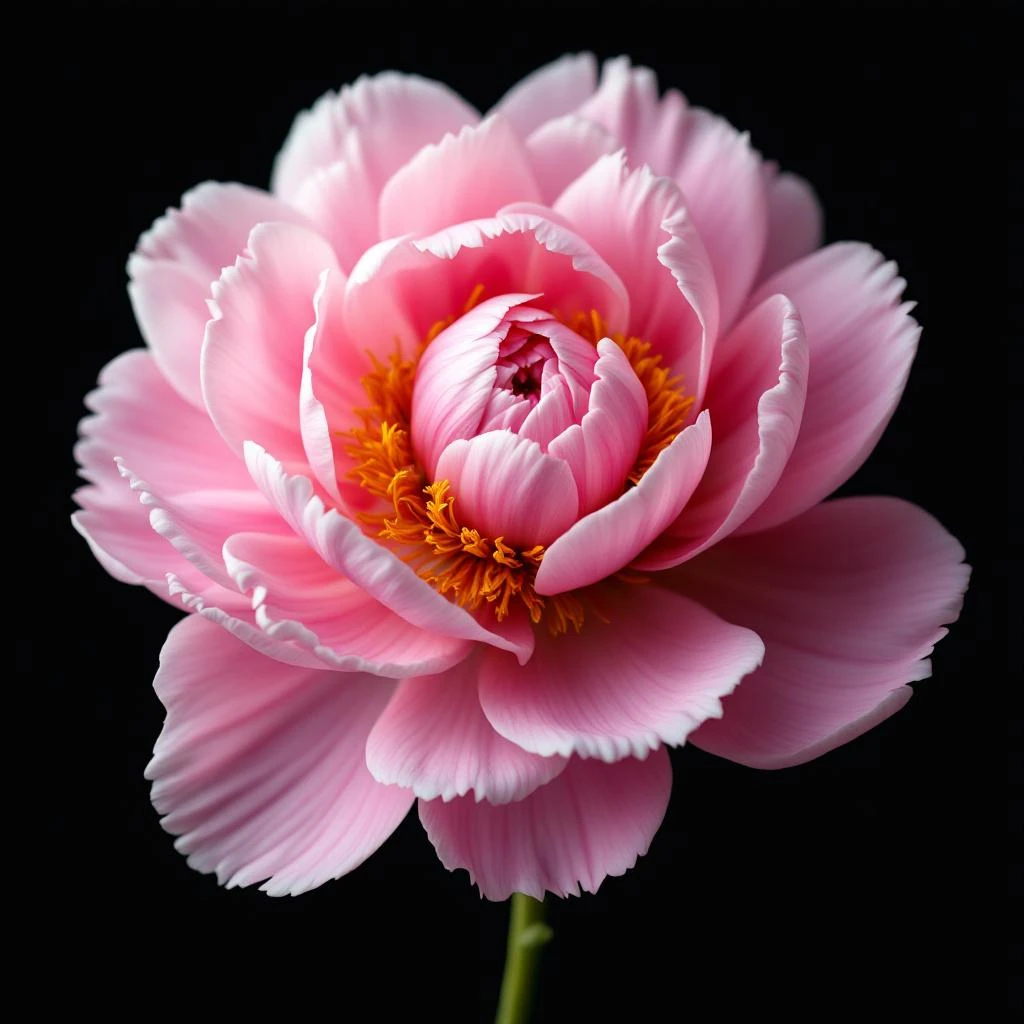
Color variation in peonies does not directly determine scent. Yellow peony varieties tend to carry a slightly warmer, more transparent quality in perfumery, but the aromatic impression depends primarily on how the perfumer constructs the accord rather than any natural pigment-based difference.
Can yellow peony appear in natural perfumery?
Natural perfumery cannot feature true yellow peony because the flower produces no extractable fragrance. Perfumers working within natural-focused compositions may use aromatic materials that approximate peony's character, but they rely on the same synthetic building blocks to achieve the effect.




