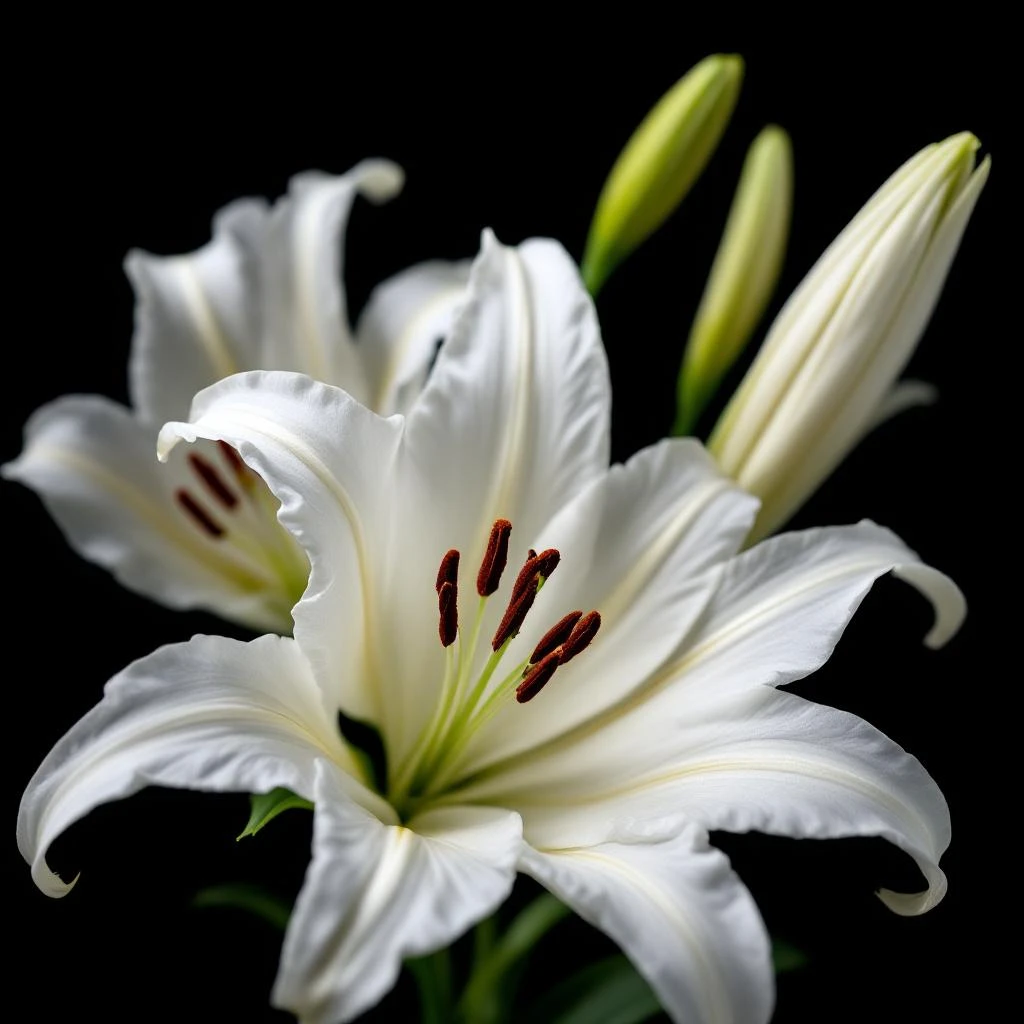
Yellow Lily
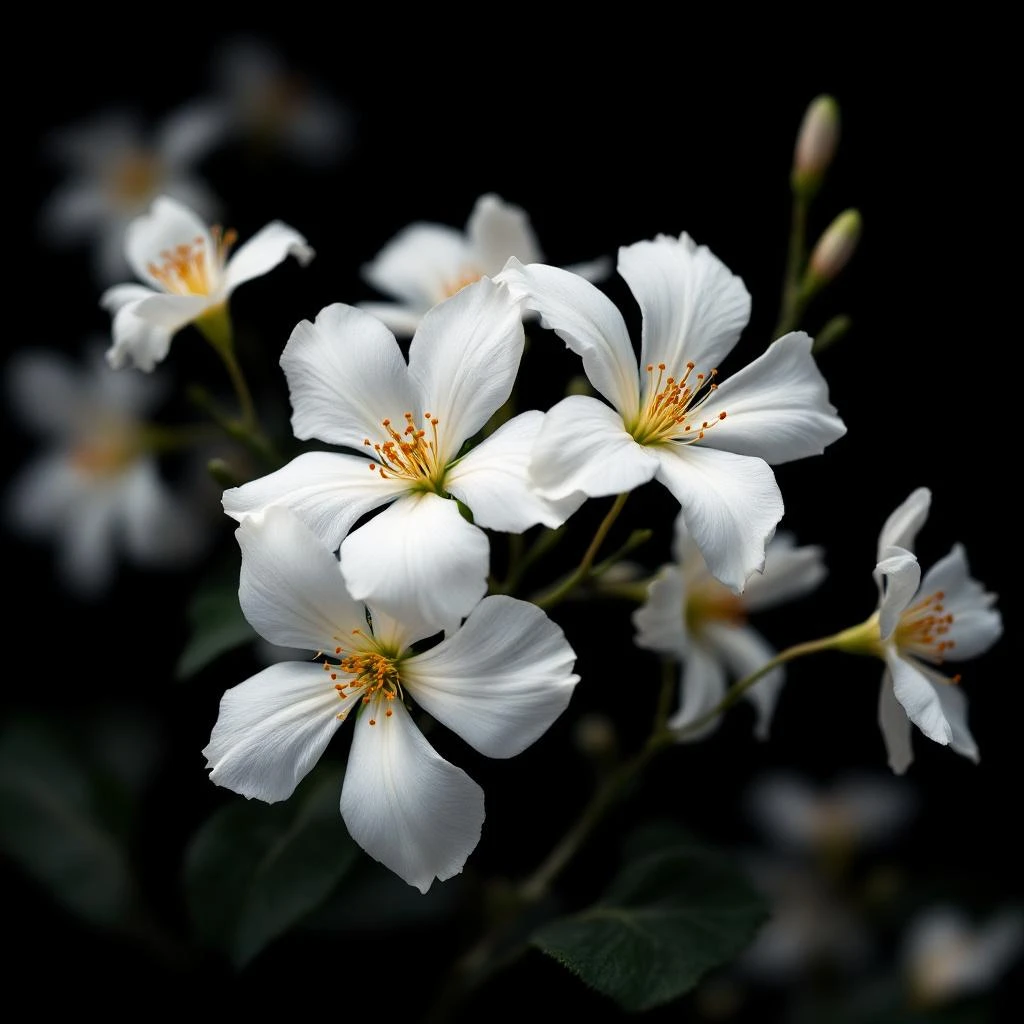
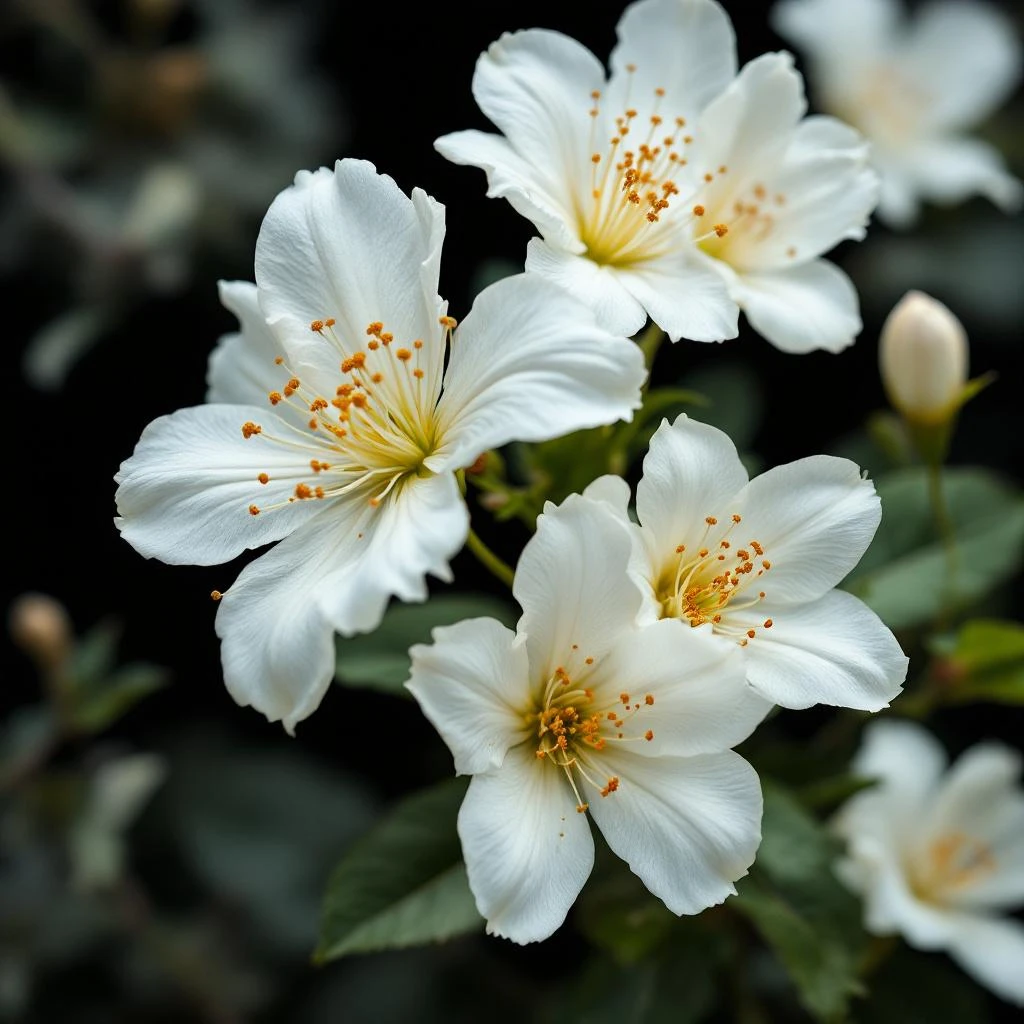
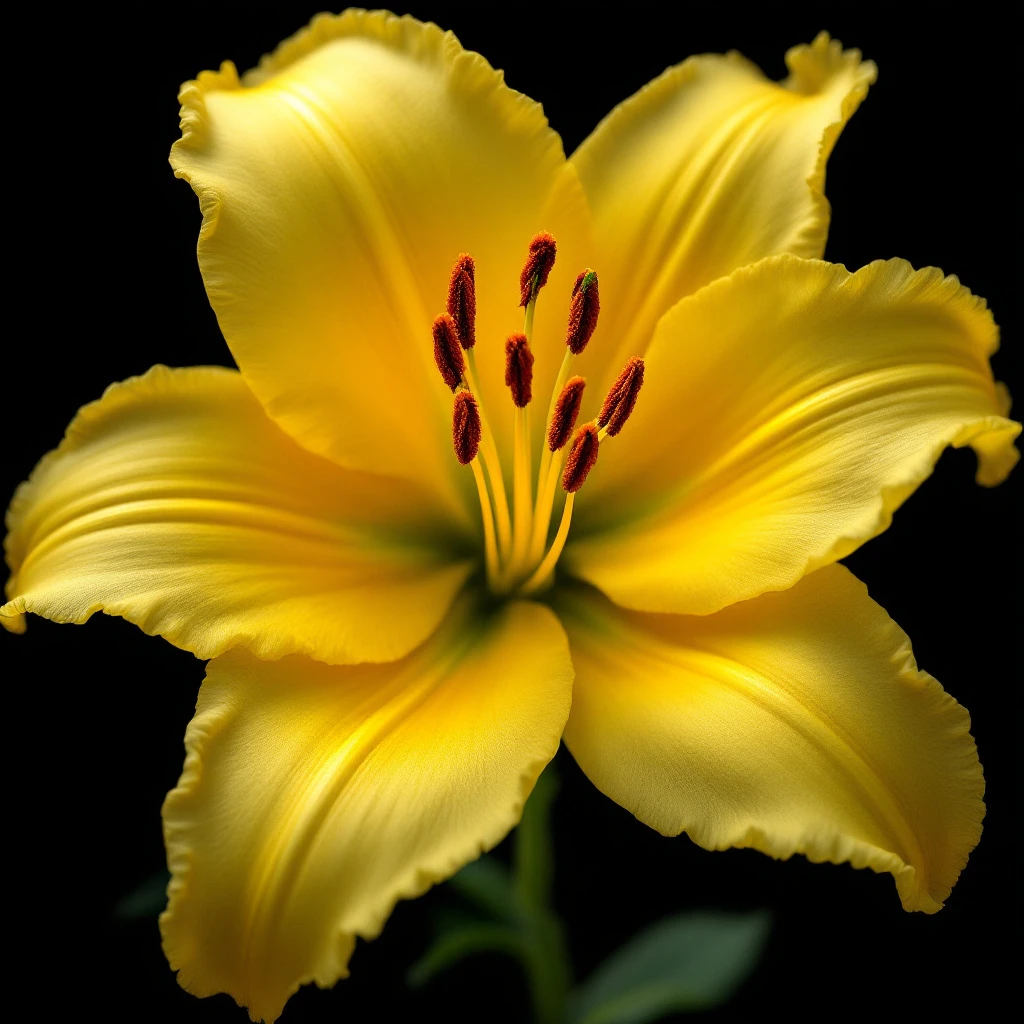
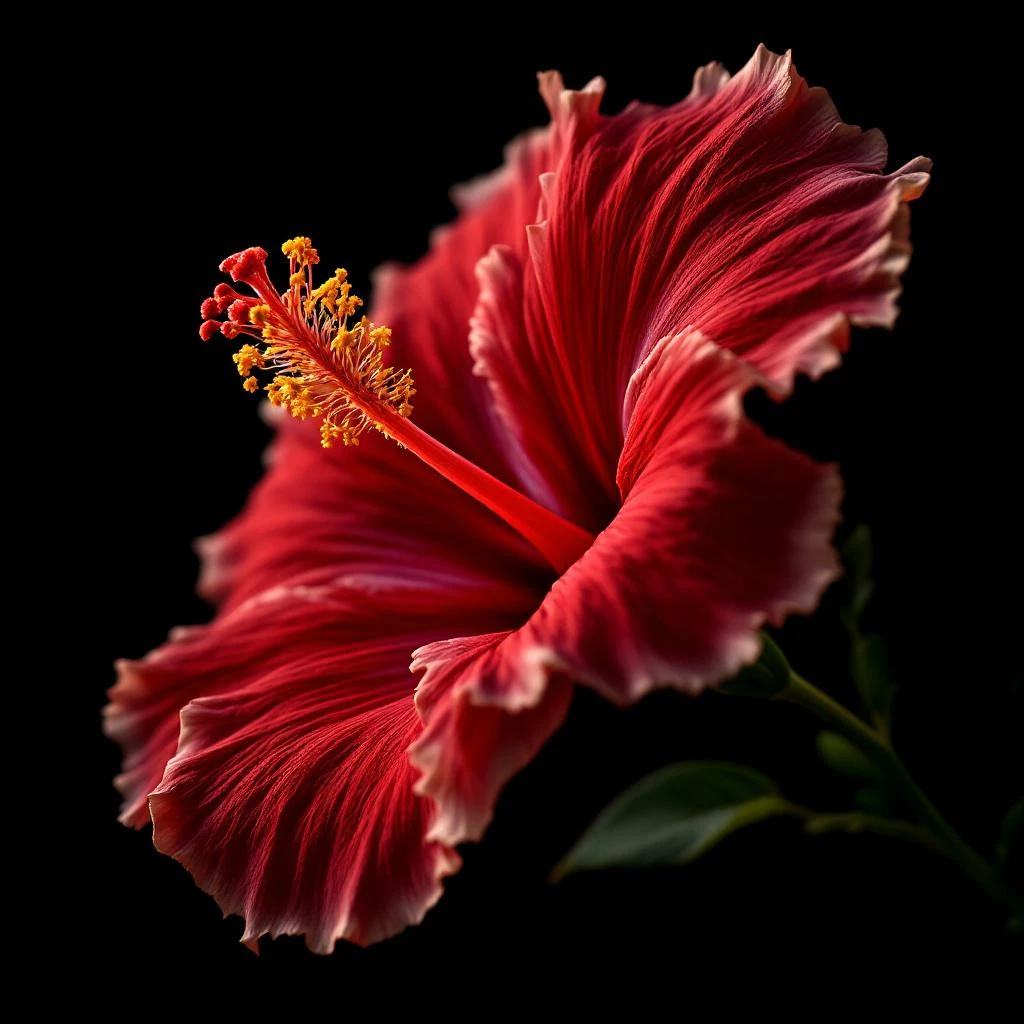
Yellow Lily opens with a luminous floral profile: fresh, green and creamy, with a soft honeyed lift that recalls petals after rain.
Character
How it smells
Sunlit petals with a green, creamy pulse.
Hydroxycitronellal, first prepared from citronella in 1905, became a defining building block for convincing lily-of-the-valley accords.
Pairs beautifully with
Origin
China
Lily has carried symbolic weight in European and East Asian cultures for centuries, where its trumpet-shaped flower has been associated with purity, renewal and good fortune. Lily of the valley became especially prominent in French perfumery during the nineteenth century, when modern chemistry allowed flower impressions to be reproduced beyond occasional natural harvests. Early lily-of-the-valley effects were often approximated with materials derived from other fragrant plants.
In 1905, a German laboratory produced hydroxycitronellal from citronella, giving perfumers a more precise route to the creamy green floral character associated with lily accords. The development changed how floral notes could be composed, allowing Lily of the Valley to occupy a distinctive place in personal fragrance. Yellow Lily follows this broader tradition of floral reconstruction.
It does not represent a simple extraction of yellow petals; it draws on the flower’s pale color, fresh greenery and creamy visual character. Its history reflects the meeting between botanical symbolism and laboratory craftsmanship, where a flower with limited natural oil can still shape a recognizable, enduring fragrance language.
Wears it best
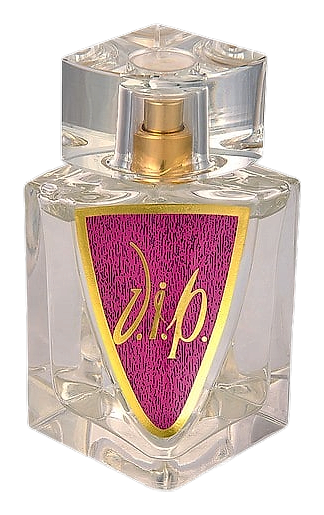
Fragrances featuring Yellow Lily
Brands
Brands known for Yellow Lily
Good to know
Questions, answered
The essentials on Yellow Lily in perfumery: how it smells, where it comes from, and how it behaves on skin.
What does Yellow Lily smell like?
Yellow Lily smells fresh, green and creamy, with a soft floral sweetness. Perfumers commonly build the impression with hydroxycitronellal, a molecule created in 1905 and central to many lily accords.
Is Yellow Lily extracted from real lily flowers?
Yellow Lily is usually a reconstructed fragrance note, not a direct lily essential oil. Perfumers combine synthetic and nature-identical aroma chemicals to suggest the flower’s fresh, creamy petals and green foliage.
What makes Yellow Lily different from Lily of the Valley?
Yellow Lily is softer and more honeyed, with a green floral impression. Lily of the Valley is usually described as more delicate, dewy and powdery, and its perfumery effect is commonly linked to hydroxycitronellal.
Where does the yellow lily flower originate?
Yellow lily, or Lilium|Americanum, is native to eastern North America and parts of Mexico. Its geographic origin is distinct from the Chinese origins associated in the supplied research with lily of the valley.
Is Yellow Lily safe for sensitive skin?
Yellow Lily itself is not usually the cause of skin sensitivity; fragrance reactions more often come from other perfume ingredients. Patch test a finished product and stop use if irritation occurs.
How does Yellow Lily fit into a perfume?
Yellow Lily works well as a fresh floral heart beneath woods, amber or light spices. Its creamy green profile gives a composition lift without relying on the darker density of heavier floral materials.
Can Yellow Lily be used in home fragrance?
Yes, its fresh floral character suits candles, diffusers and room sprays. Use a controlled concentration, since the note may become overly sweet or indistinct in a heavily fragranced space.
Why does Yellow Lily smell different from a real flower?
Many lilies contain little commercially recoverable fragrance oil, so perfume versions are artistic reconstructions. Synthetic molecules clarify the creamy flower impression, while green and musky materials add depth and realism.