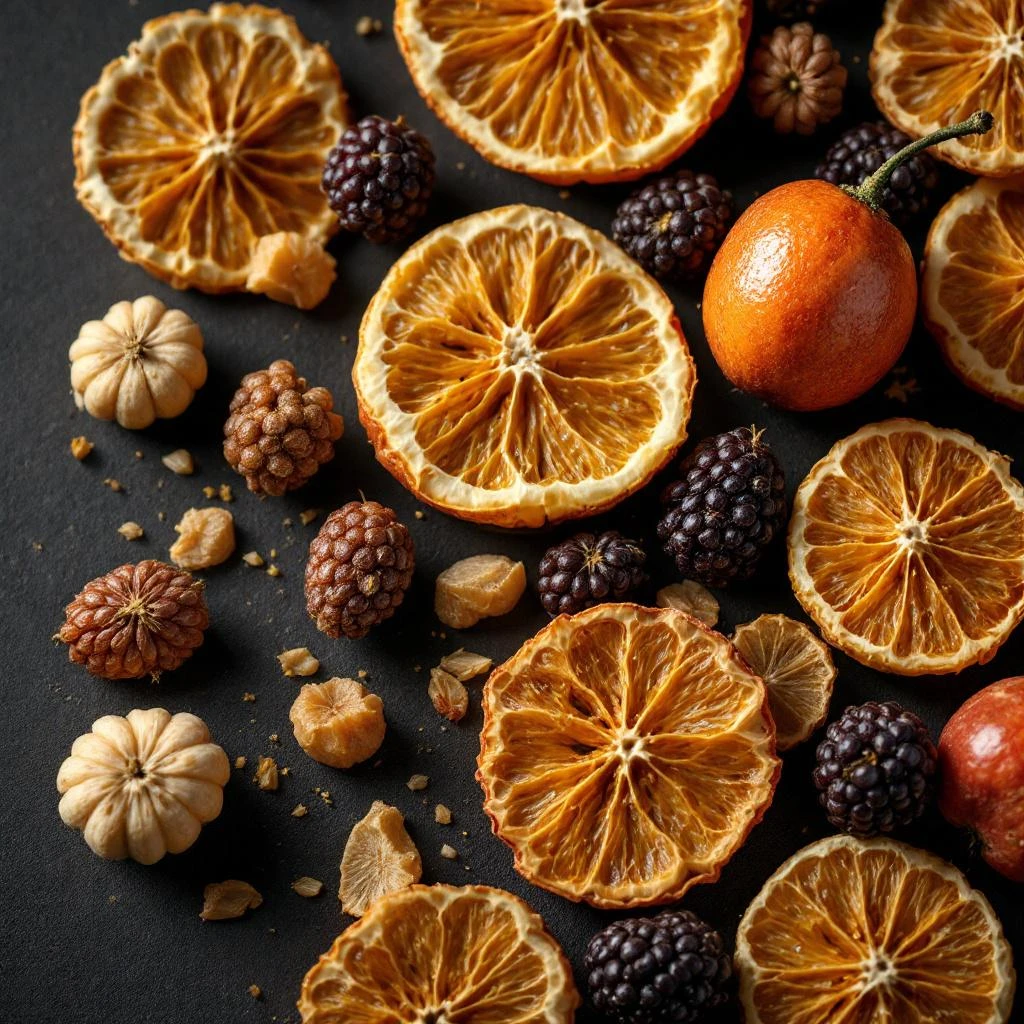
Yellow Fruits
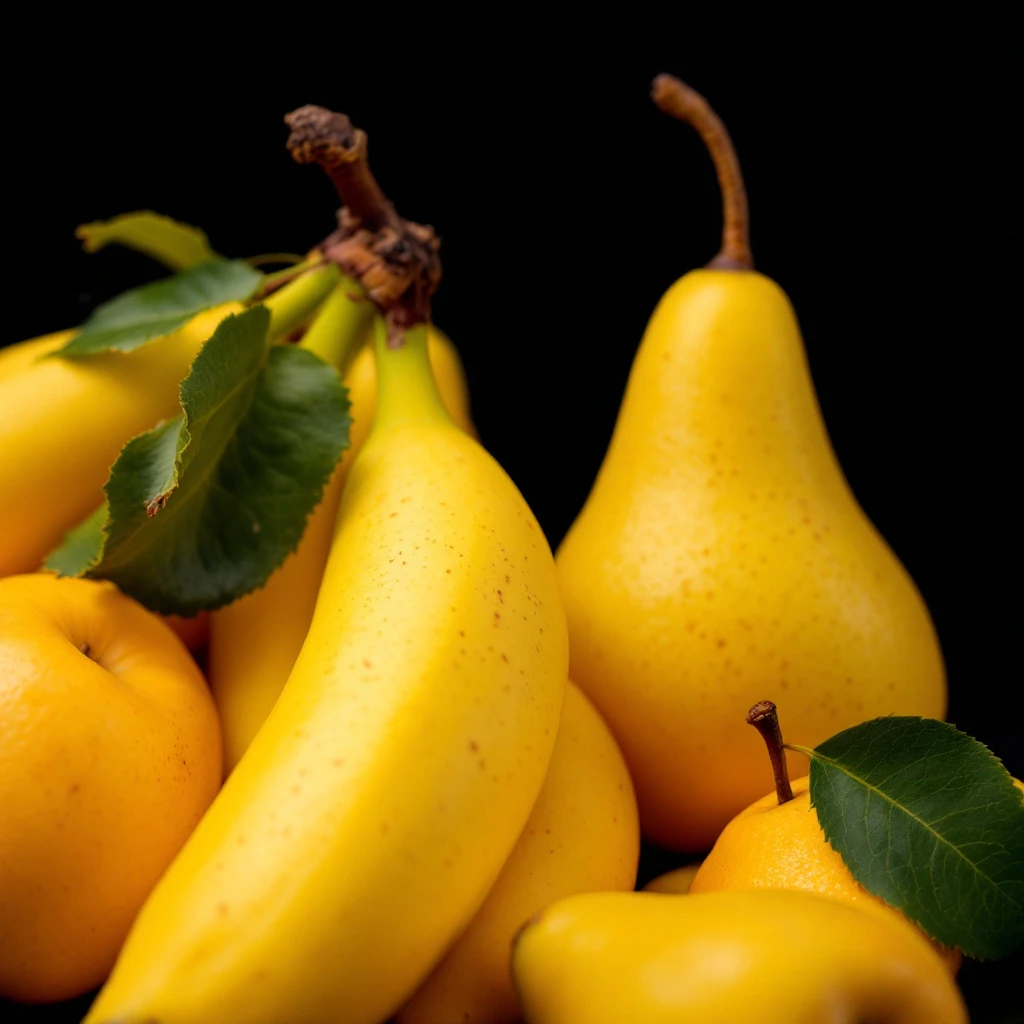
Sun-ripened peach, apricot, and mango collide in a bright, velvety chord. Yellow fruits in perfumery capture the warmth of late-summer harvests—sweet, slightly tart, and irresistibly lush. Like biting into a perfectly ripe nectarine on a warm afternoon.
Character
How it smells
Golden hour in a bottle
Synthesized gamma-decalactone—a peach-scented lactone—was first created in 1868, though perfumers only began using it widely in fragrances after the 1950s.







Origin
France
Ancient Egyptian and Mesopotamian perfumers struggled with fruit notes. They knew fruits carried intoxicating scents, but these fragrances dissipated within hours. Early perfumers turned to resins, spices, and woods that offered durability. Fruit remained a footnote in fragrance recipes for centuries.
Greek and Roman cultures advanced fruit use through maceration techniques. They steeped fruits in fatty oils, capturing fleeting aromas in ointments and unguents. Apician glaces—sugar-coated fruit preparations—represented another avenue for preserving fruit scents at aristocratic banquets. These preparations demonstrated interest in fruit's sweet, bright character, yet the underlying chemistry remained mysterious.
The late nineteenth century transformed fruit in perfumery. Organic synthesis produced gamma-decalactone in 1868, the first reliable compound capturing yellow fruit character. Early chemists found it smelled intensely of peaches but faced skepticism from traditionalists who preferred natural materials. The molecule sat largely unused until post-war fragrance houses sought new, cost-effective materials.
By the 1960s, yellow fruit notes became staples in modern perfumery. Chanel, Guerlain, and emerging designers incorporated peach and apricot accords into signature compositions. The synthetic palette expanded to include tropical mango and passion fruit notes. Today, yellow fruits appear across fragrance families, from light florals to rich orientals. Chemistry finally gave perfumers what ancient artisans could only approximate.
Wears it best
Fragrances featuring Yellow Fruits
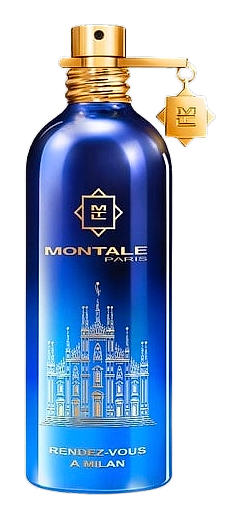
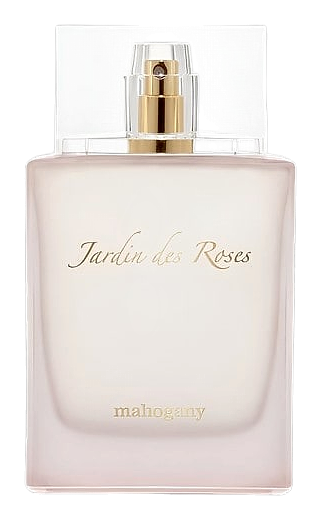

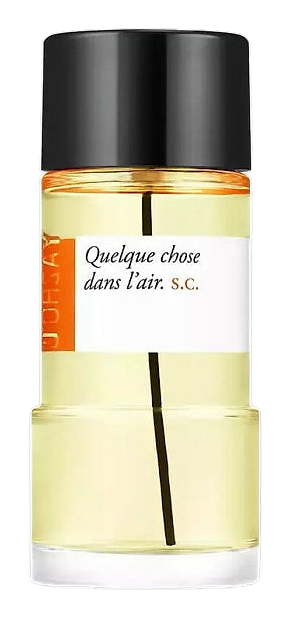
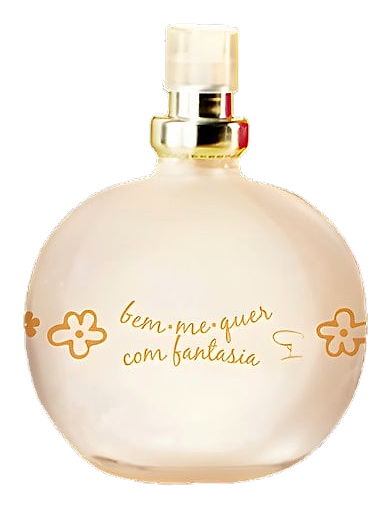
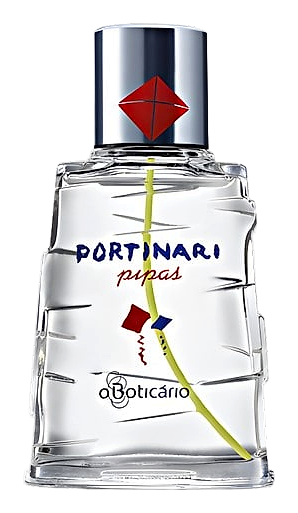
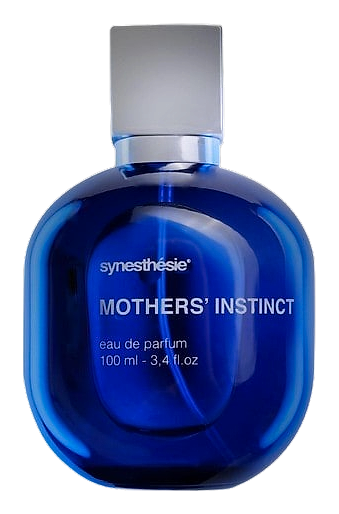
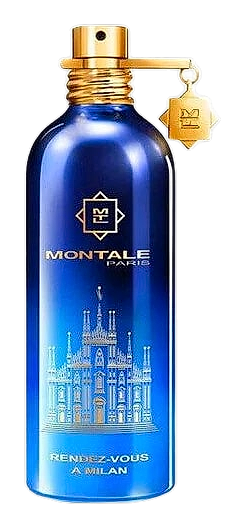
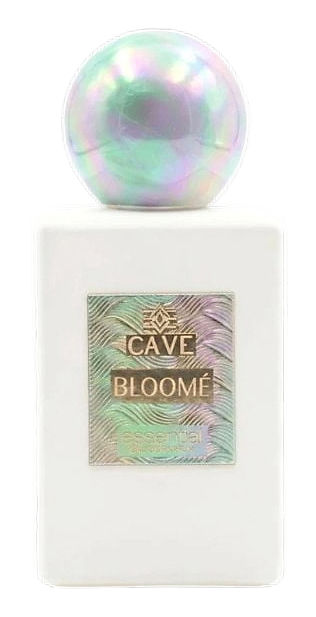
Brands
Brands known for Yellow Fruits
Good to know
Questions, answered
The essentials on Yellow Fruits in perfumery: how it smells, where it comes from, and how it behaves on skin.
What are yellow fruits in perfumery?
Yellow fruits refer to peach, apricot, mango, and nectarine notes. Perfumers combine natural extracts with synthesized aromachemicals like gamma-decalactone to create these warm, velvety accords.
Are yellow fruit notes natural or synthetic?
Most yellow fruit notes in modern perfumery are synthesized. Natural fruit essences lack the stability needed for fragrance applications and break down within hours. Synthetics like gamma-decalactone capture the same character with far greater durability.
What gives yellow fruits their characteristic aroma?
Gamma-decalactone is the primary compound behind yellow fruit notes. This lactone delivers the signature velvety peach and apricot character found in countless fragrance formulations.
How long do yellow fruit notes last on skin?
Yellow fruit notes typically last two to four hours as a heart note. Synthetic versions tend to outlast natural extracts, which is why synthesized aromachemicals dominate modern formulations.
How do yellow fruits differ from other fruit families?
Yellow fruits like peach and apricot carry a velvety, jammy quality. Stone fruits feel softer and more rounded compared to citrus, which delivers sharper, more acidic brightness, or tropical fruits, which offer brighter, more exotic character.
What pairs well with yellow fruit notes?
Yellow fruits blend naturally with white florals like jasmine and gardenia. Light woods, subtle musks, and green notes enhance their warmth. Heavier bases like vanilla or benzoin add depth and longevity.
When did yellow fruit notes become common in perfumery?
The late nineteenth century brought synthesized fruit compounds like gamma-decalactone, but perfumers only adopted them widely after the 1950s. Before this, fruit notes remained fleeting and impractical for commercial fragrance.
Why are most yellow fruit notes synthesized rather than natural?
Fruit aroma compounds are extremely volatile and degrade quickly under heat or oxygen exposure. Natural extraction yields little usable material. Synthetics provide consistent character and stability that natural sources cannot match.