
The Story
Why it exists.
The beginning
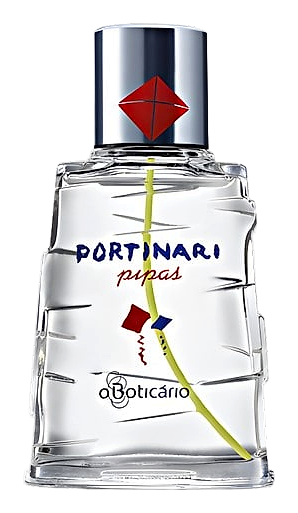
Veronica Casanova Marano wanted to build a fragrance that felt native to water and wood without being literal about either. She reached for lotus, the flower that floats on still water, and anchored it with cedar from the forest floor. Yellow fruits kept the opening from going precious. The name Pipas means kites: things meant to rise, not anchor. What she delivered in 2014 was exactly that, a floral fougère that refused to choose between lightness and depth, air and ground.
The note combination does something unusual for men's fragrance. Lotus sits between aquatic and floral, neither fish nor fether, so to speak. Cedar and musk are familiar territory, but cedar with lotus and yellow fruits? That was strange. The powdery amber in the base keeps everything cohesive, turning what could have been an identity crisis into something meditative instead. It's a fragrance about restraint, about what happens when you don't try to fill every space.
The evolution
The opening arrives soft, yellow fruits, not a fruit salad, more like the idea of fruit from a distance. Thirty minutes in, lotus takes over, and it becomes something aquatic and still. Then cedar arrives. Not sharp cedar, not the kind that cuts, warm cedar, the kind that holds. Amber and musk come together around hour two, and by hour three the fragrance has become something that smells like skin in the sun, not of the sun itself. On fabric it fades quietly. On skin it lingers. The drydown is the quietest part, but that's where the character lives.
Cultural impact
Floral fougères occupy a tricky space in men's fragrance, they're often dismissed as feminine or confused with aquatic designers. Portinari Pipas arrived in 2014 when O Boticário was expanding its men's offerings beyond the successful Malbec line, and it offered something different: a floral structure without apology. The fragrance found its audience among men who wanted depth without aggression, and among women who appreciated the meditative quality. It's since been discontinued, which has only deepened its cult status among collectors of Brazilian perfumery.