Yak Butter
Rendered fat from yak milk, prized on the Tibetan Plateau for its rich, smoky-creamy scent. This ancient ingredient carries the warmth of high-altitude pastures into niche perfumery.
Character
How it smells
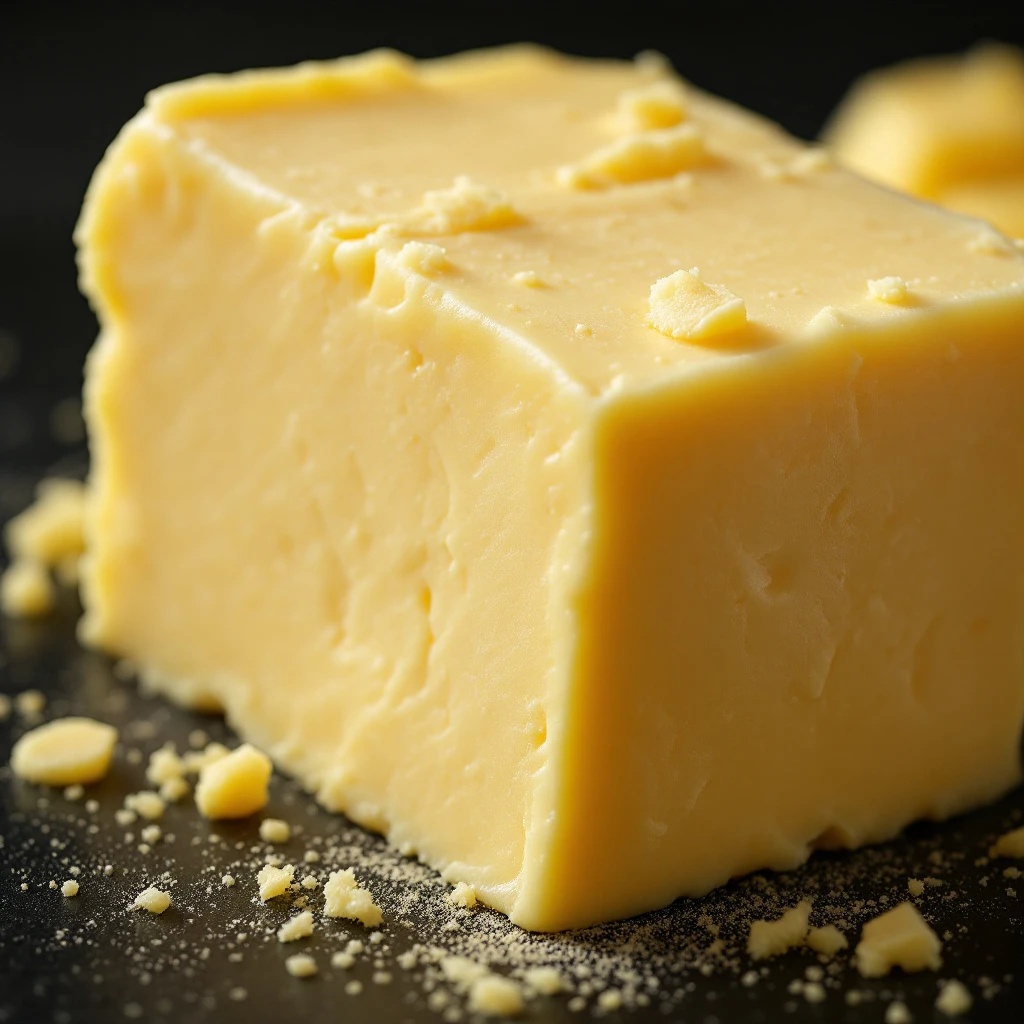
Smoky cream from the roof of the world
Yak butter tea, called po cha in Tibet, contains more calories per cup than Coca-Cola and has been consumed by Himalayan nomads for over a thousand years.




Origin
China (Tibet)
Yak butter has sustained Himalayan communities for at least 2,000 years, appearing in Tibetan ritual texts and trade records along the ancient tea-horse routes connecting Tibet to Yunnan and Sichuan. Buddhist monasteries incorporated butter into sculptural art, shaping tsampa offerings and butter lamps that burned through long winter ceremonies.
Traders moving caravans across passes above 5,000 meters relied on the fat's extraordinary caloric density to survive journeys that could last months. Outside the plateau, yak butter remained largely unknown to Western perfumers until the early 21st century, when niche houses began experimenting with regional ingredients.
Its introduction into fragrance reflects a broader movement toward capturing terroir-based aromas, drawing on materials that carry unmistakable geographic signatures. Today, yak butter appears in artisan compositions seeking to evoke mountain warmth, hearth smoke, and the pastoral rhythms of Central Asian life.
Wears it best
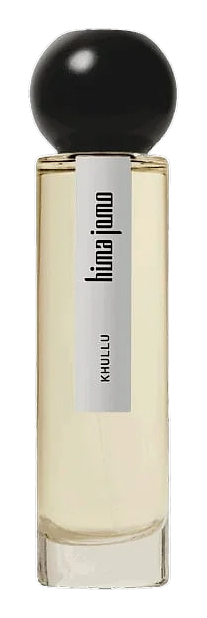
Fragrances featuring Yak Butter
Brands
Brands known for Yak Butter
Good to know
Questions, answered
The essentials on Yak Butter in perfumery: how it smells, where it comes from, and how it behaves on skin.
What does yak butter smell like in perfume?
Yak butter contributes a warm, creamy, smoky aroma with subtle grassy and lactic undertones. At low concentrations it reads as a comforting gourmand base, while higher doses reveal its raw dairy character.
Is yak butter a common fragrance ingredient?
No. Yak butter remains rare in mainstream perfumery and appears almost exclusively in niche and artisan compositions exploring Himalayan or pastoral themes.
Where do yaks used for butter production live?
Domestic yaks graze primarily on the Qinghai-Tibet Plateau at elevations typically between 3,000 and 5,000 meters, where cool temperatures and alpine grasses shape the milk's fat composition.
How is yak butter prepared for fragrance use?
The milk is churned to separate fat, then gently heated to clarify it, removing moisture and milk solids. This rendering process mellows strong dairy notes and develops the smoky warmth perfumers seek.
Why use yak butter instead of synthetic alternatives?
Authentic yak butter carries terroir-specific fatty acids and trace smoky compounds difficult to replicate chemically, offering perfumers a genuine geographic signature unmatched by standard creamy aromachemicals.
Can yak butter go rancid in a perfume bottle?
Properly clarified yak butter is stable in alcohol-based fragrances due to its low water content. Storage away from heat and direct sunlight preserves its aroma for years.
What fragrance families feature yak butter?
Gourmand and woody orientals use it most often, where its creamy warmth complements notes like oud, sandalwood, tonka bean, and smoked tea.
Is yak butter harvesting sustainable?
Yak herding remains a low-impact pastoral practice sustained by indigenous Tibetan and Mongolian communities, with herds traditionally managed to prevent overgrazing of fragile alpine meadows.