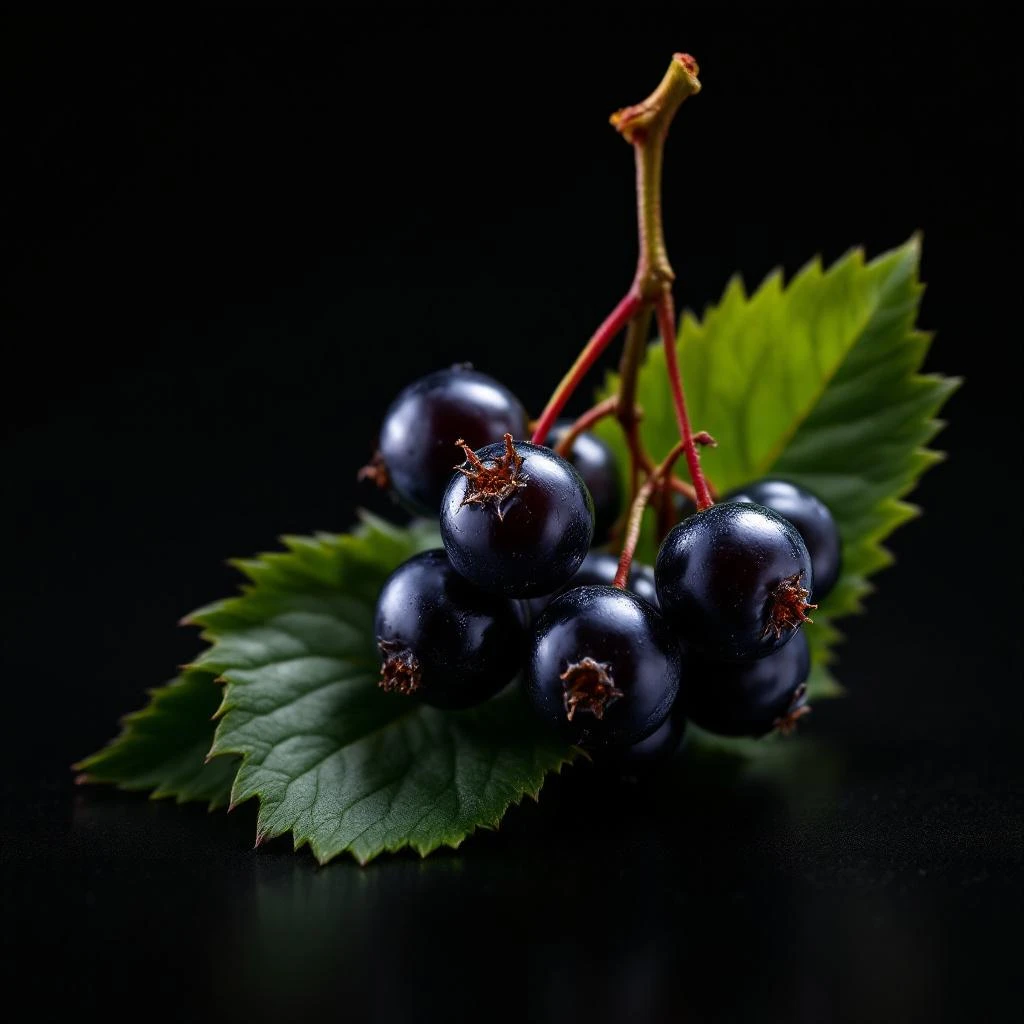
Winter Berries
The luminous, frost-touched heart of winter fruit. Winter berries capture that electric moment when cold air meets ripe fruit, delivering tart brightness with a crystalline coolness no summer harvest can replicate.
Character
How it smells
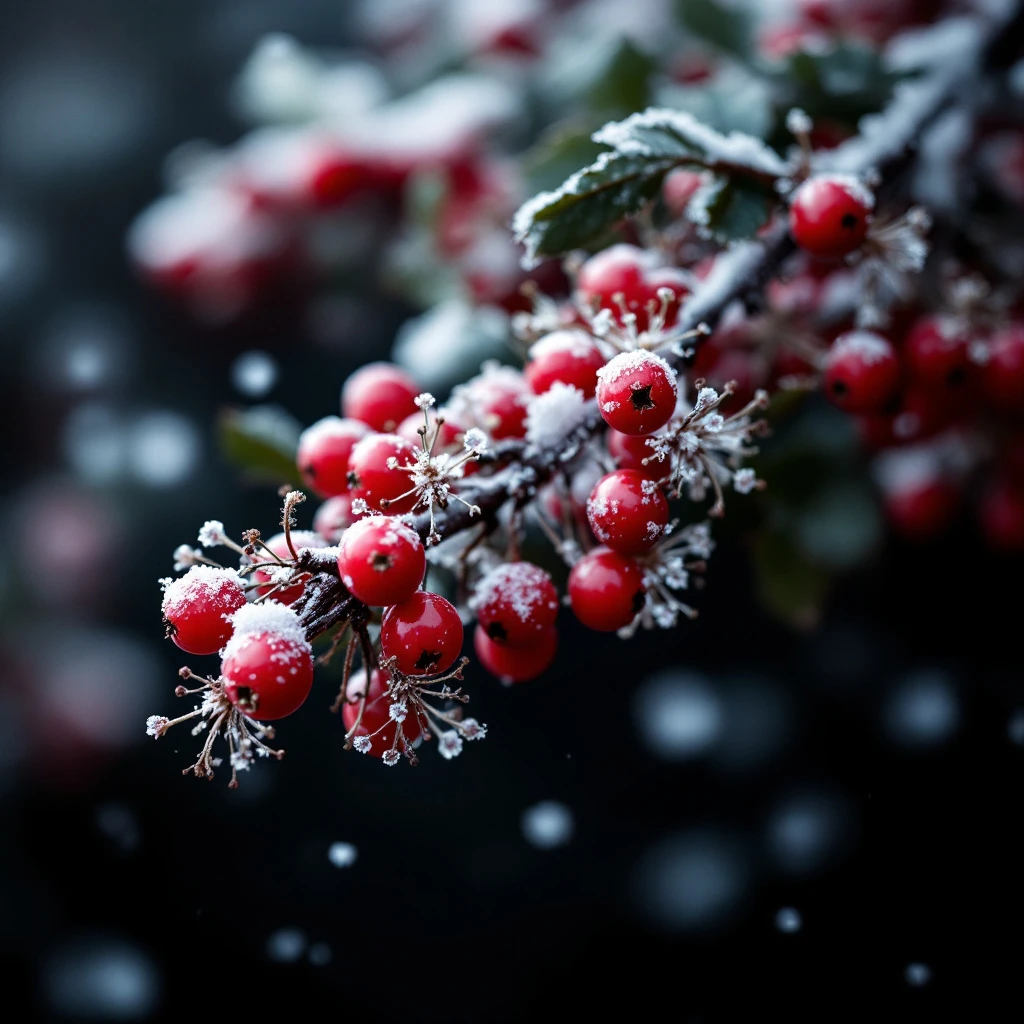
Tart, bright, and kissed by the cold.
Juniper berries used in perfumery take three years to fully ripen, making each harvest a product of patient timing.



Origin
United States
Berries that ripen in cold months have carried symbolic weight for centuries. European traditions associated winter berries with protection and endurance, using them in seasonal remedies and festive décor. In perfumery, winter berries remained largely peripheral until the late 19th century, when advances in solvent extraction gave perfumers new tools to capture delicate fruit notes.
The Paris-based pioneers of modern perfumery in the 1890s began experimenting with fruit-derived materials as complements to traditional floral and resinous ingredients. Today, winter berry accords appear across fine fragrances as a bridge between fresh top notes and deeper, warming bases, prized for the brightness and complexity they lend to winter and year-round compositions alike.
Wears it best
Fragrances featuring Winter Berries
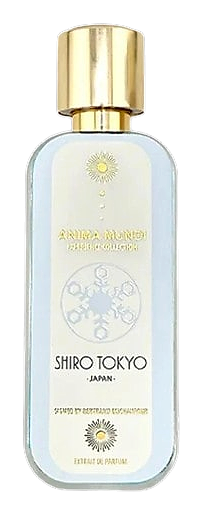
Brands
Brands known for Winter Berries
Good to know
Questions, answered
The essentials on Winter Berries in perfumery: how it smells, where it comes from, and how it behaves on skin.
What are winter berries in perfumery?
Winter berries refer to an aromatic accord built from cold-season fruit extracts, primarily cranberry, juniper, and hawthorn. Perfumers combine these to create a bright, tart, slightly woody berry profile used in heart and top notes.
How are winter berries extracted for use in fragrance?
The most common method is solvent extraction, which pulls the full fruity, tart aromatic profile from fresh or briefly frozen berries into a concrete, then an absolute. Reconstructed accords using isolated aromatic molecules are equally common.
Are winter berries natural or synthetic in fragrances?
Both natural and synthetic versions exist. Natural winter berry absolutes come from berries processed via solvent extraction. Synthetic reconstructions layer specific aroma chemicals to replicate and standardize the scent profile across production runs.
What does winter berries smell like?
The accord smells bright, tart, and juicy with a cool, almost crystalline edge. Think biting into a berry just brought in from frosty air: sharp fruit sweetness balanced by acidity, with subtle woody or resinous undertones.
Which fragrance families commonly use winter berries?
Winter berries appear frequently in fruity chypre, gourmand, and bright orientals. They also show up in winter seasonal releases and fresh fougère compositions where a crisp, cold-fruit nuance adds lift to the opening.
What pairs well with winter berries in a fragrance formula?
Warm woods like sandalwood and cedar amplify the berries' cozy undertones. White musks soften their tartness. Spices such as pink pepper and cardamom create contrast. Vanilla or caramel can push the composition toward a gourmand direction.
Where do winter berries used in perfumery originate?
Commercial winter berry materials draw from North American cranberry operations and European juniper-growing regions. Quality varies by fruit source, harvest timing, and extraction standards.
Do winter berries have historical significance in perfumery?
Fruit notes gained prominence in Western perfumery during the late 19th century alongside advances in extraction technology. Winter berries specifically entered perfumers' palettes as seasonal and year-round bridge notes linking bright openings to deeper base compositions.