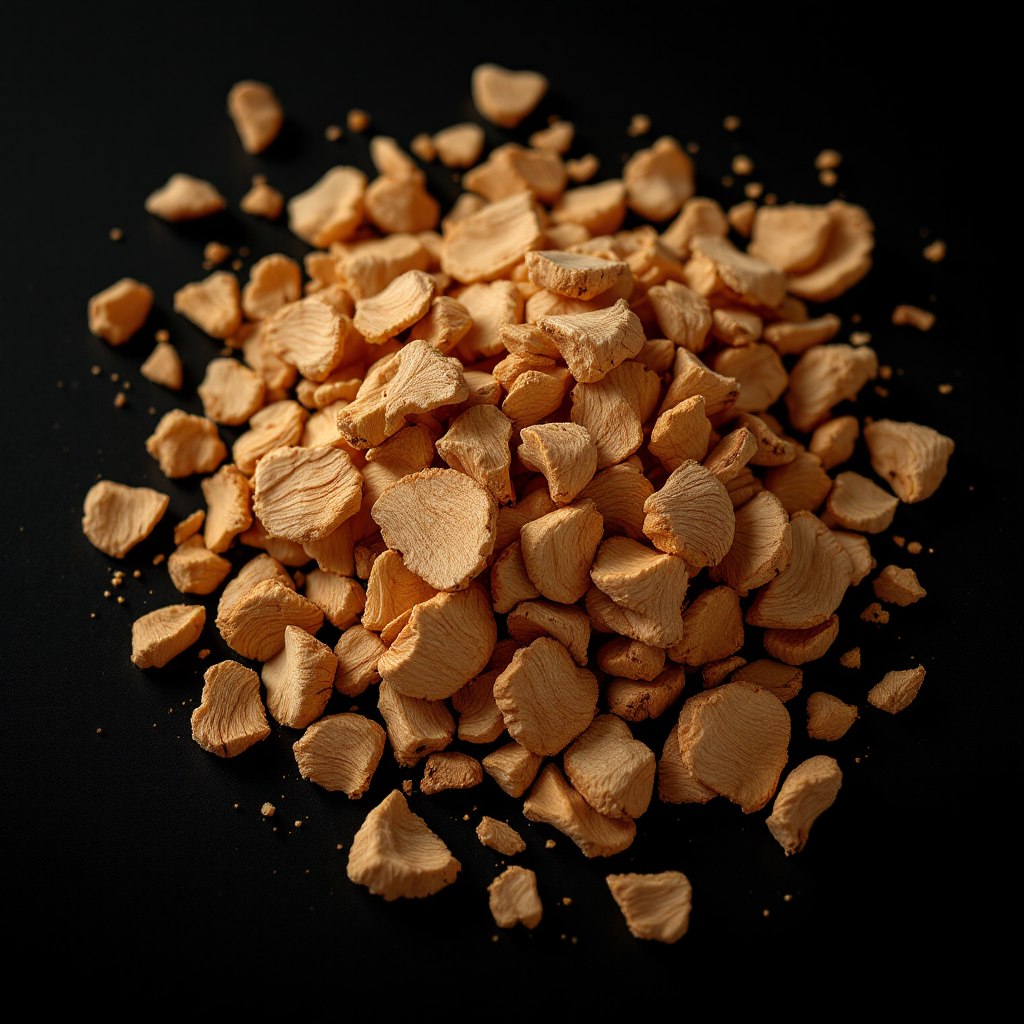
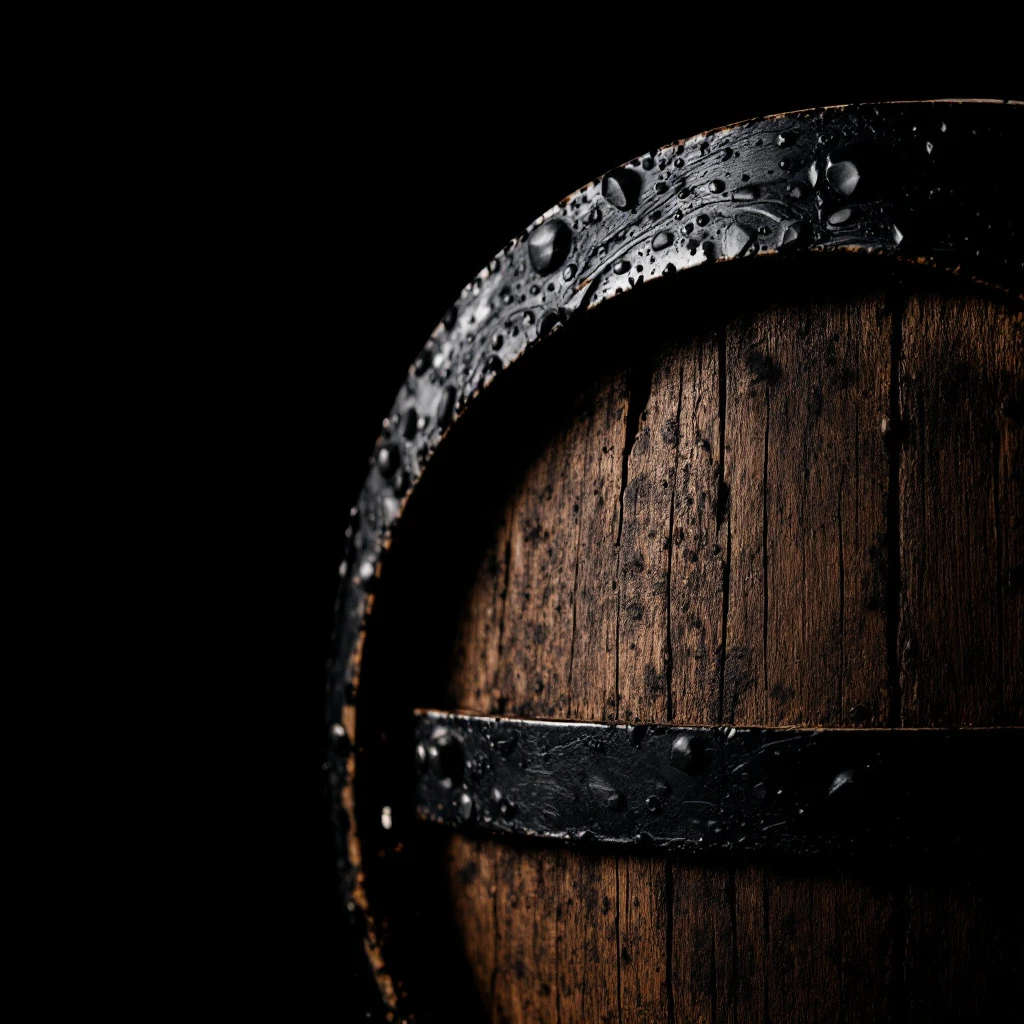
Wine Barrel
Toasted oak, lingering vanilla, and the warm whisper of aged spirits captured in a single breath. Wine Barrel brings the soul of cooperage to perfumery.
Character
How it smells
Oak-aged depth in every drop.
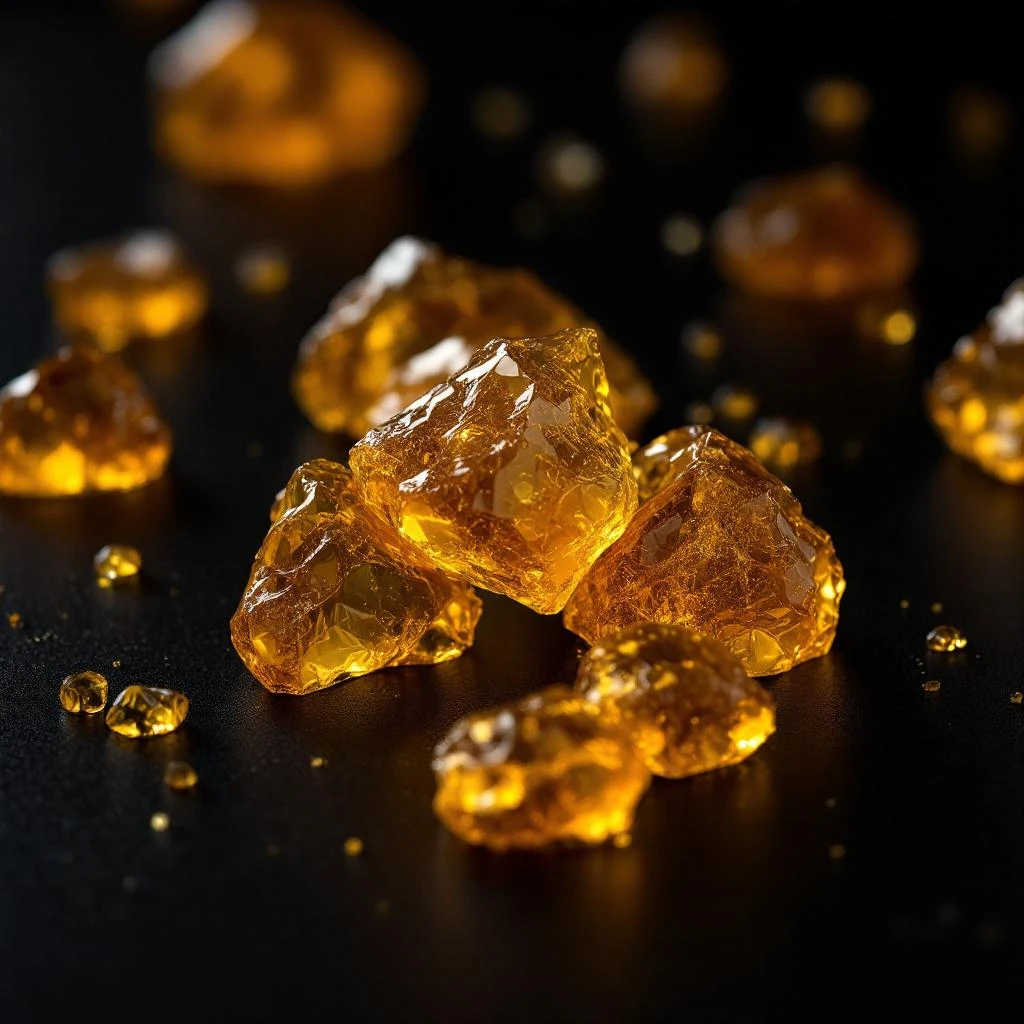
Cognac essential oil, the perfumery cousin of Wine Barrel, is extracted from the sediment left after wine distillation, a byproduct once discarded by distilleries.





Origin
France
The marriage of oak and perfume stretches back centuries, rooted in the cooperage traditions of France and Spain, where winemakers discovered that oak aging imparted complexity to their vintages as early as the Roman era. By the Middle Ages, the Limousin and Tronçais forests of France supplied oak for barrels that flavored wines and eaux-de-vie across Europe. Cognac distillation itself dates to the 17th century in the Charente region, though the perfumery potential of cognac lees was recognized much later.
In the late 19th and early 20th centuries, as modern perfumery took shape, distillers began experimenting with hydrodistilling the sediment from cognac production, capturing an essence that carried fermented fruit, oak, and solvent warmth into fragrance compositions. The 1980s and 1990s saw perfumers increasingly interested in gourmand and boozy accords, partly driven by the popularity of whisky- and wine-scented products. Oakmoss restrictions under IFRA standards in the early 2000s pushed formulators toward Wine Barrel notes as alternative pathways to rich, earthy depth.
Today the accord remains a favorite for adding warmth and indulgence to oriental and gourmand compositions.
Wears it best
Fragrances featuring Wine Barrel
Brands
Brands known for Wine Barrel
Good to know
Questions, answered
The essentials on Wine Barrel in perfumery: how it smells, where it comes from, and how it behaves on skin.
What does Wine Barrel smell like in perfume?
Wine Barrel delivers warm, woody notes with hints of vanilla, caramel, and faint fruity esters. It evokes the interior of a toasted oak cask holding aged spirits, rich and slightly sweet without being overtly alcoholic.
Is Wine Barrel a natural or synthetic note?
Both versions exist. Natural Wine Barrel comes from oak wood extracts and cognac oil distilled from wine lees. Synthetic recreations blend aroma chemicals like whiskey lactone and vanillin to approximate the scent affordably.
What types of perfumes feature Wine Barrel?
Gourmand and oriental fragrances lean heavily on Wine Barrel for warmth and depth. It appears in boozy, leather, and tobacco compositions where a rich oaken backbone complements sweeter or spicier elements.
Where does the oak for Wine Barrel notes come from?
French forests, particularly Limousin and Tronçais, supply most cooperage oak. These slow-growing trees are prized for tight grain and balanced tannin release, qualities that translate into the perfumer's extraction.
How is cognac oil made for perfumery?
Cognac oil is produced by hydrodistilling the lees, the fermented sediment left after wine distillation. Steam passes through the residue, capturing volatile esters and alcohols that condense into a potent aromatic liquid.
Is Wine Barrel safe to wear on skin?
Yes, when used at standard perfumery concentrations. Oak extracts and cognac oil are generally regarded as safe, though individual formulations should comply with current IFRA standards for any restricted components.
Can Wine Barrel notes smell like actual alcohol?
Only faintly. The note carries warm, fermented character but rarely reads as sharp or antiseptic on skin. Most perfumers balance it with woods, resins, or vanilla to create richness without aggressive boozy edges.
What pairs well with Wine Barrel in a fragrance?
Vanilla, tonka bean, leather, tobacco, and amber create classic pairings. For contrast, perfumers blend it with citrus or spices like cinnamon and cardamom to cut the richness and add brightness.