Wild Fern
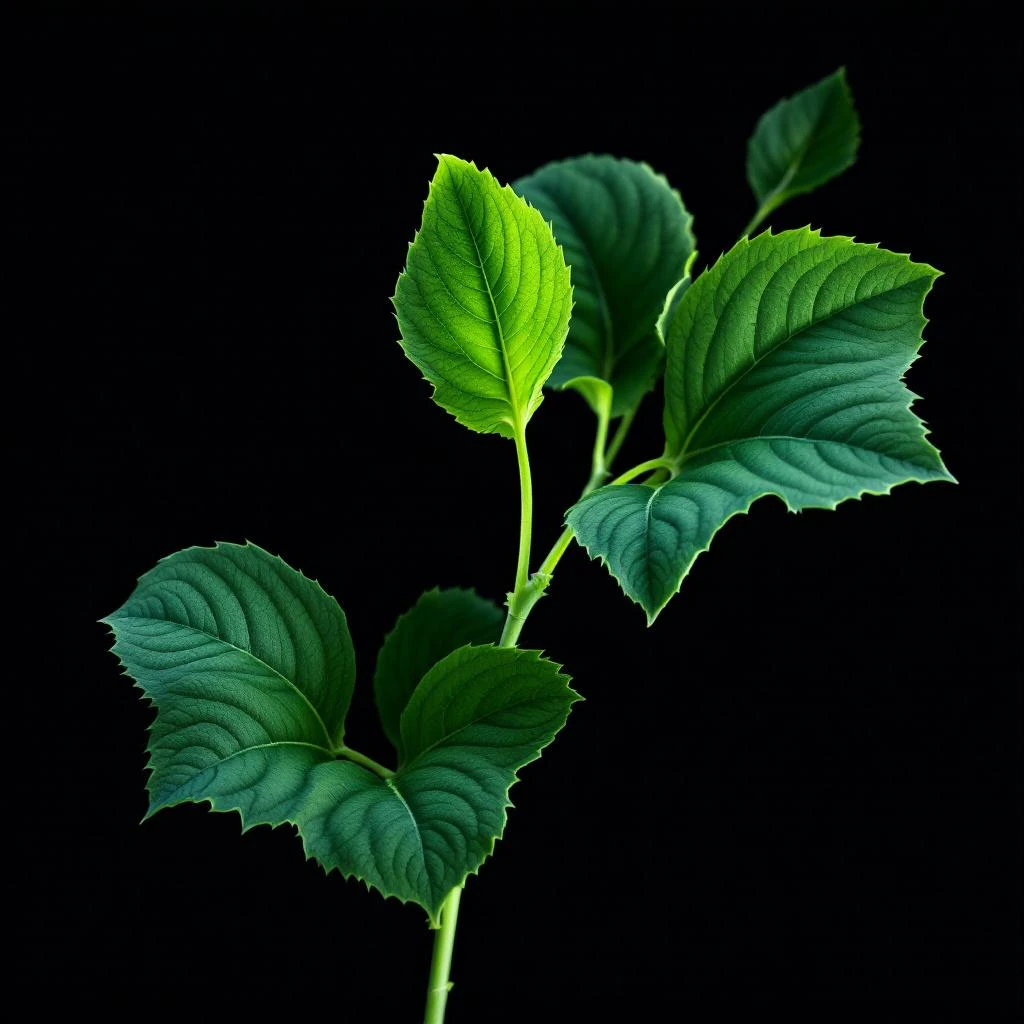
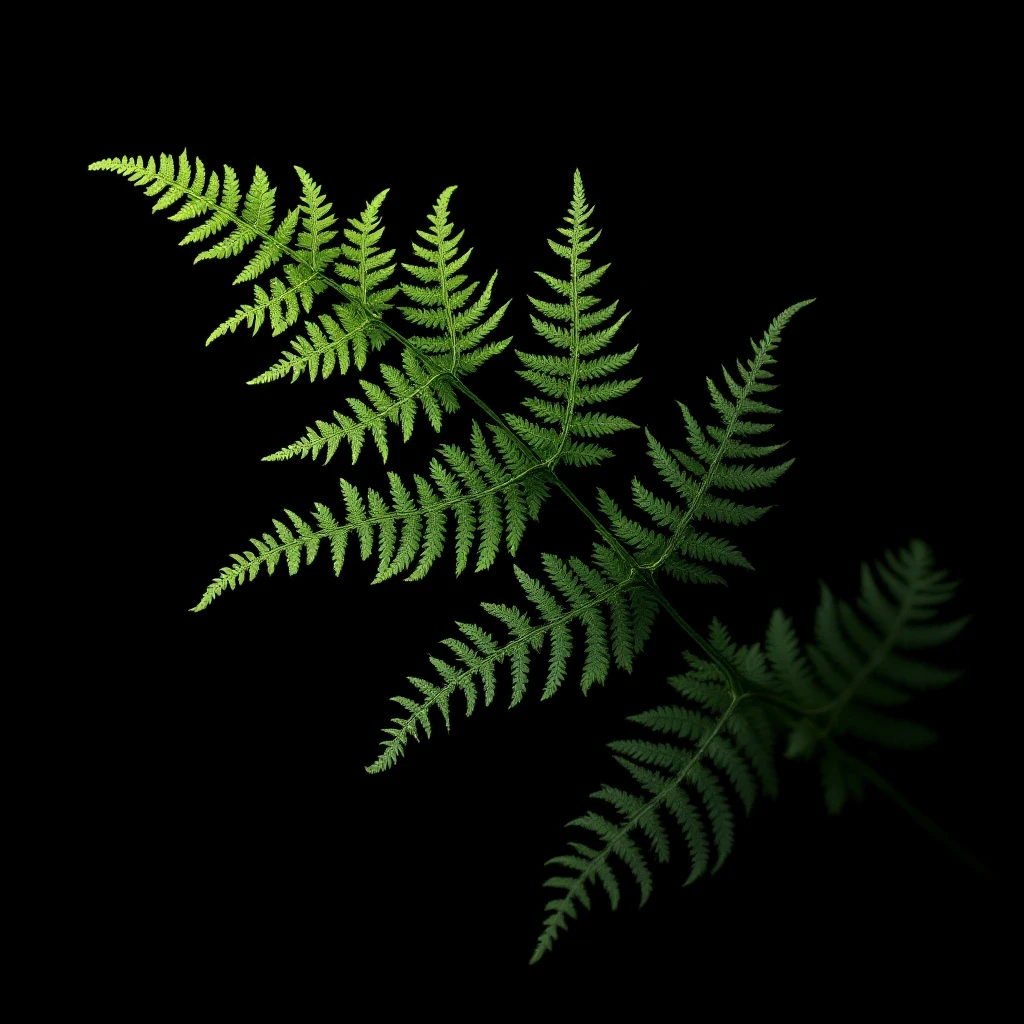
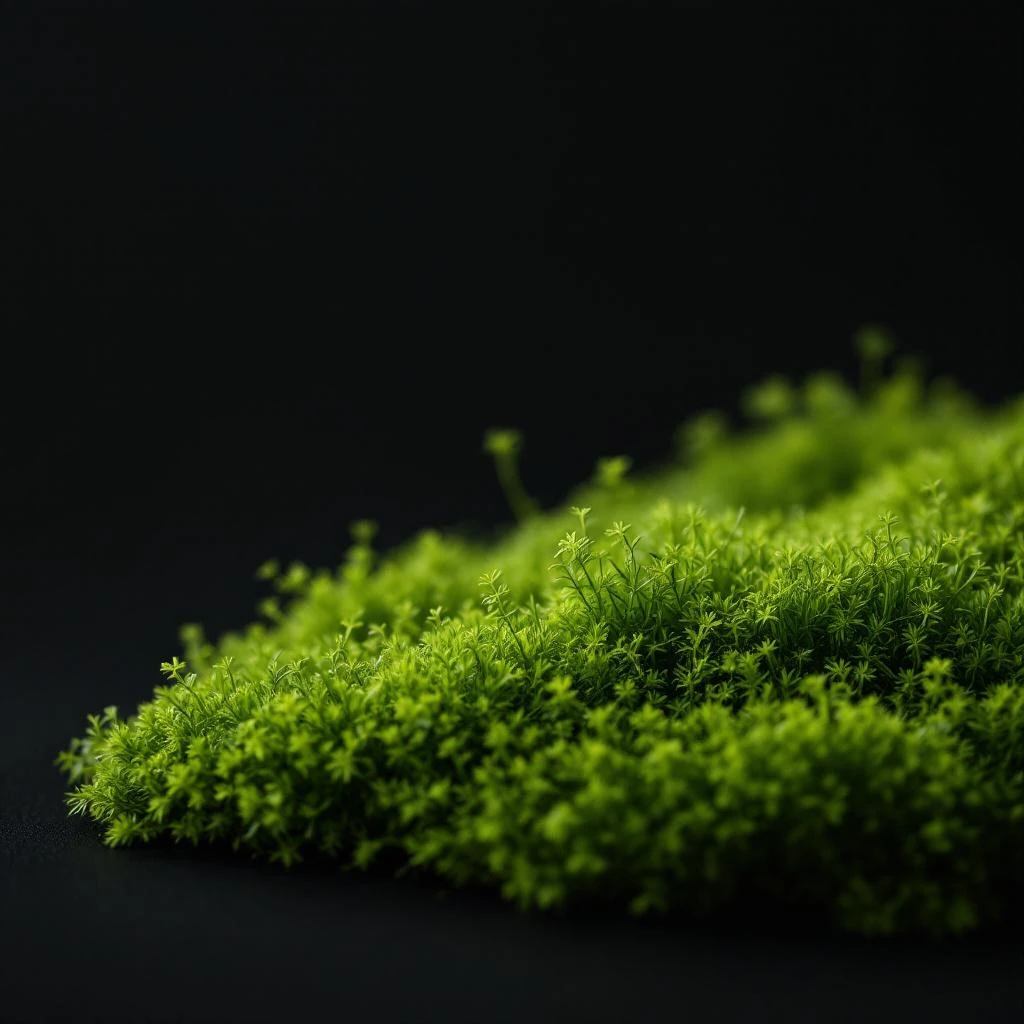
Wild Fern evokes morning mist over ancient woodland. This dark green absolute captures the fresh, vegetative soul of bracken unfurling in damp earth, adding a deeply atmospheric green dimension to masculine and nature-inspired compositions.
Character
How it smells
Fresh fern unfurling in morning mist
True fern absolute is so rare that most fern notes in modern perfumery are constructed from synthesized molecules like phytonadione combined with natural green accord.
Origin
United Kingdom
Fern mania swept through Victorian Britain in the mid-1800s, becoming one of the era's defining cultural obsessions. Fern collectors, known as pteridomania enthusiasts, roamed countryside and coastline hunting rare specimens, pressing and mounting them in elaborate albums. This botanical fascination naturally extended into perfumery, and by the late 19th century fern was finding its place in masculine fragrance composition.
The term fougère, French for fern, became the name of an entire fragrance family when Houbigant launched Fougère Royal in 1882, pairing lavender with oakmoss and coumarin to create a revolutionary masculine scent that echoed the fresh, green atmosphere of fern-covered hillsides. Today, fern references in perfumery typically describe the green, fresh, and slightly earthy character found in fougère-style fragrances rather than actual fern absolute.
Wears it best
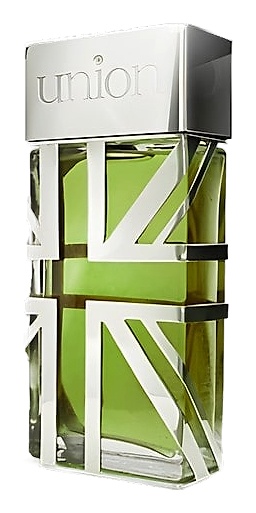
Fragrances featuring Wild Fern

Good to know
Questions, answered
The essentials on Wild Fern in perfumery: how it smells, where it comes from, and how it behaves on skin.
What is Wild Fern in perfumery?
Wild Fern is a fragrance material derived from various fern species, primarily bracken (Pteridium aquilinum). While true fern absolute exists, most fern notes in modern perfumery are constructed using synthesized molecules like phytonadione combined with natural green accords to achieve the fresh, vegetative character associated with fern.
What does Wild Fern smell like?
Wild Fern has a fresh, green, and slightly earthy scent profile reminiscent of damp woodland and morning mist. The aroma captures the vegetative quality of fern fronds, combining cut-green notes with mossy undertones and a subtle herbaceous quality that creates an atmospheric, natural character in fragrance blends.
Is Wild Fern a natural or synthetic ingredient?
Both. True fern absolute, extracted via solvents from fresh fern fronds, exists as a natural material, though it remains rare and costly. Most fern notes in contemporary perfumery are synthesized or constructed using lab-created molecules that replicate the fresh, green characteristics of fern. Perfumers often combine natural green accord with synthetic components to achieve consistent results.
When did fern become a perfumery ingredient?
Fern entered perfumery in the late 19th century during the Victorian fern craze. When Houbigant launched Fougère Royal in 1882, the term fougère became the name of an entire fragrance family. The fresh, green character of ferns proved ideal for masculine compositions and helped define masculine perfumery for generations.
What fragrance family uses Wild Fern?
Wild Fern is most commonly associated with the Fougère family, one of perfumery's foundational masculine categories. Fougère fragrances typically combine lavender, oakmoss, and coumarin with a fresh, green fern character. Fern notes also appear in aromatic and chypre compositions where a natural, vegetative quality is desired.
What part of the fern plant is used for fragrance?
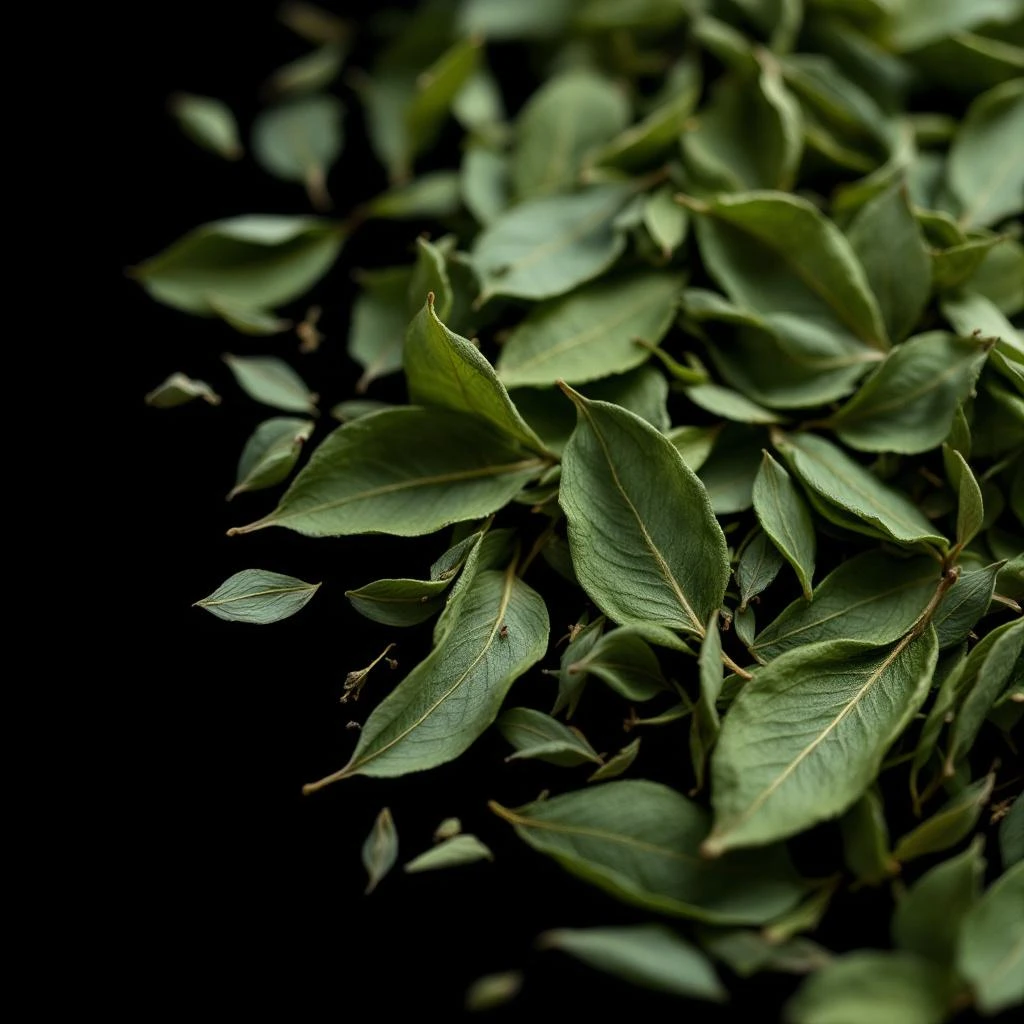
The green fronds of the fern are used in extraction. Solvent extraction of fresh fronds yields a dark green absolute. Bracken (Pteridium aquilinum) is the primary species used, though other fern species may contribute to fragrance compounds. The fronds are harvested and processed while fresh to preserve their aromatic qualities.
How much fern is used in fragrance formulations?
Fern is used at very low concentrations in fragrance formulations, typically between 0.1% and 2% of the final blend. Even in small quantities, fern material adds distinctive vegetative depth and a fresh green character that shapes the overall impression of a fragrance, particularly in masculine and aromatic compositions.
Where does Wild Fern originate?
Fern grows abundantly across temperate and subtropical regions worldwide. For perfumery purposes, ferns used in fragrance production originate from multiple regions, with bracken being the most widely distributed fern species on Earth, found across Europe, North America, Asia, and the Southern Hemisphere.