St. Benedict's Thistle
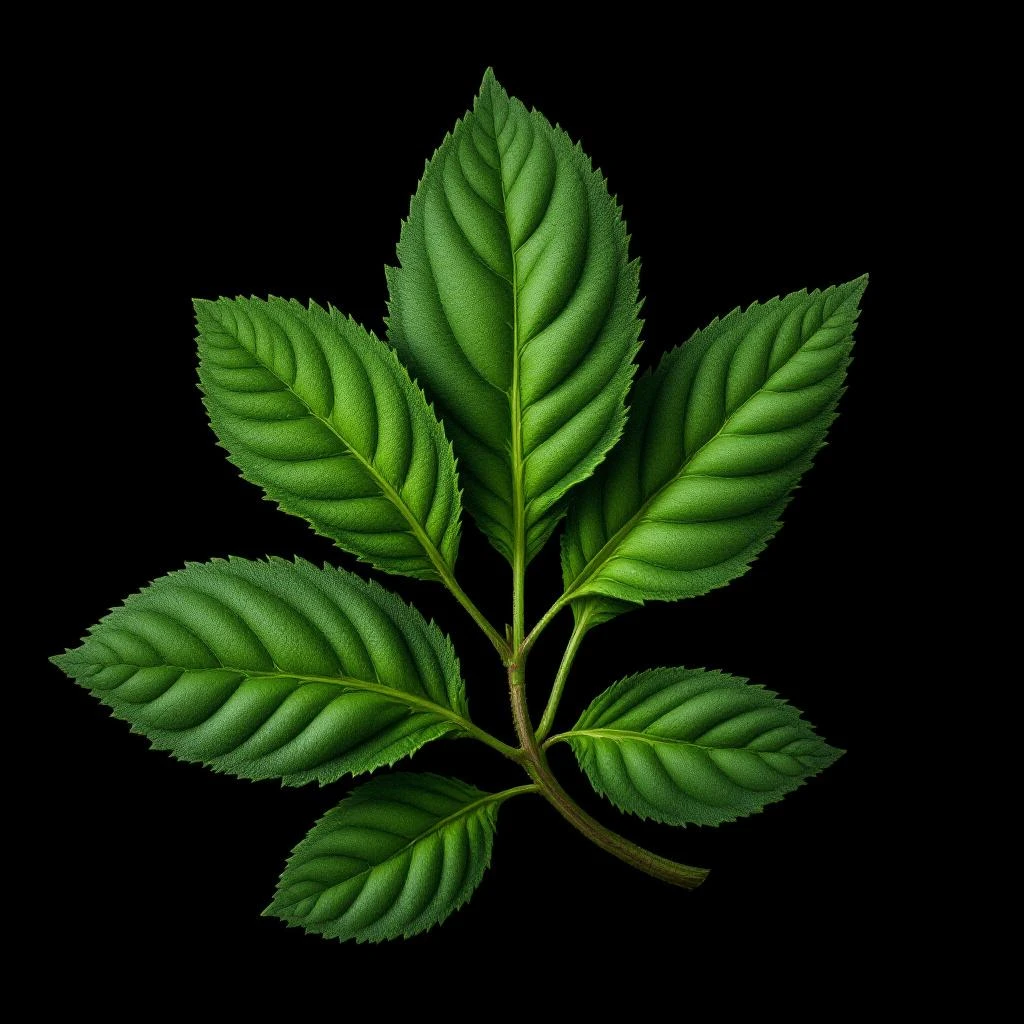
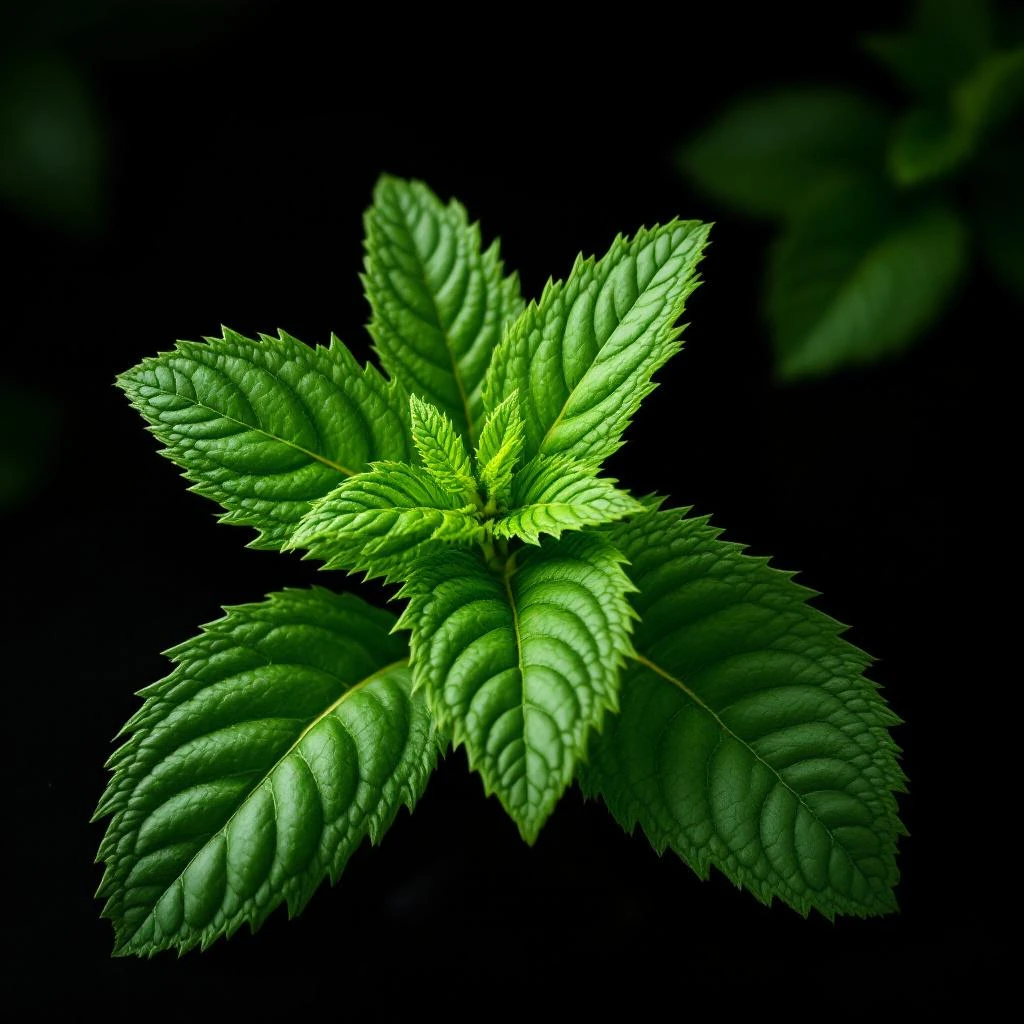
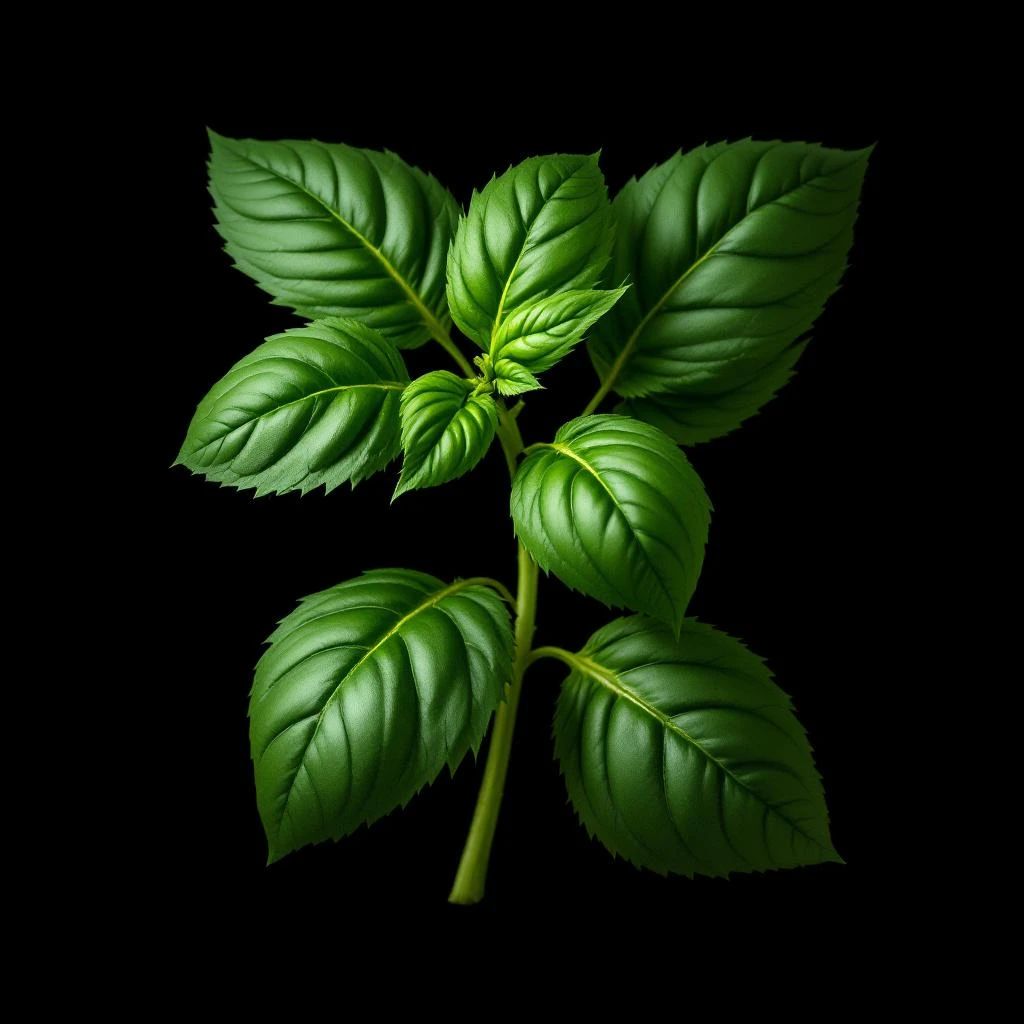
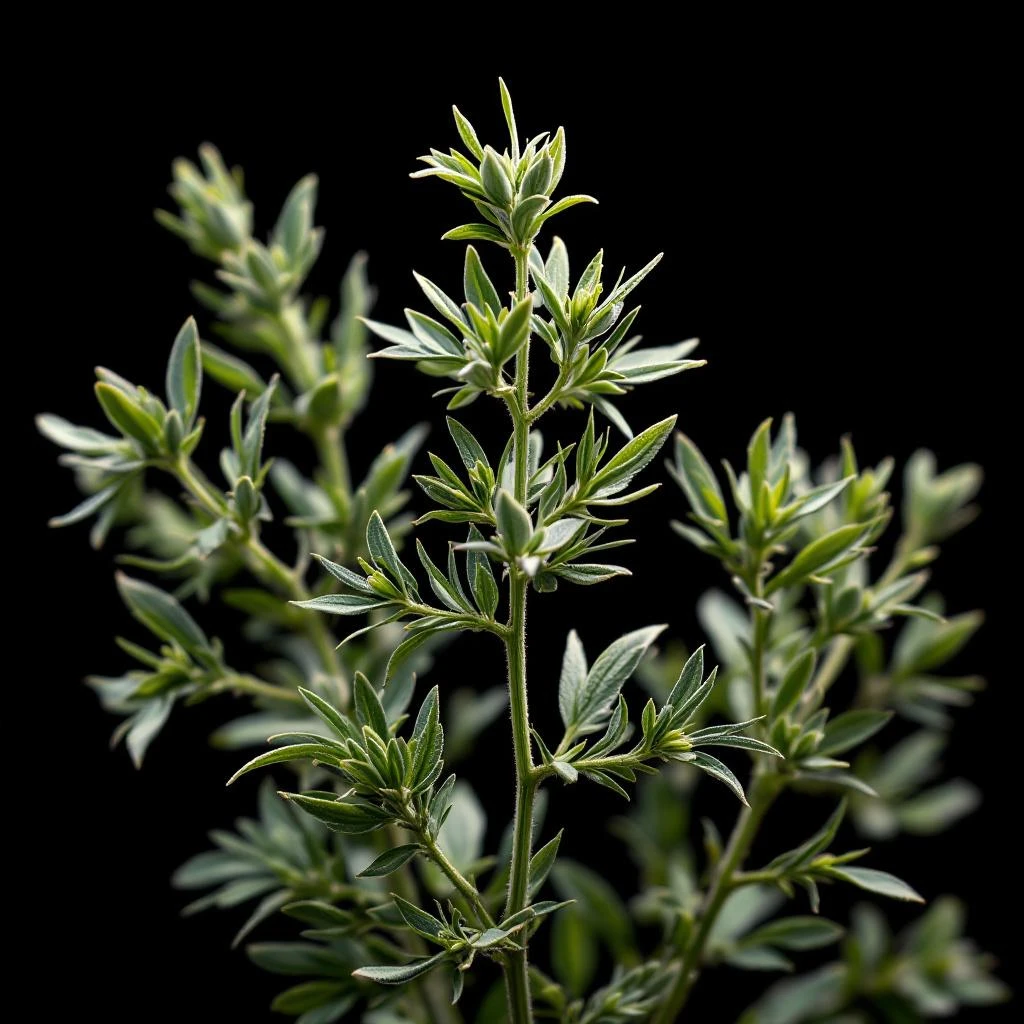
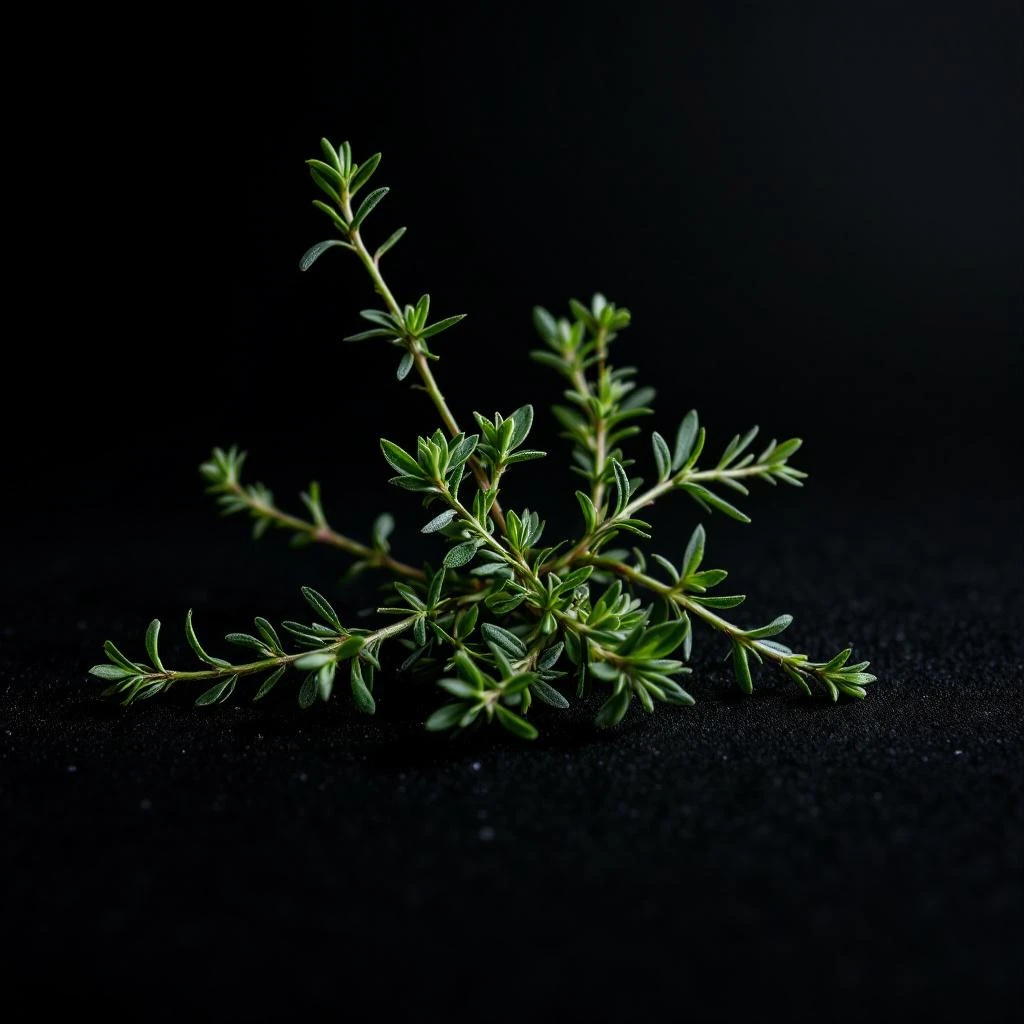
A bitter, aromatic herb once grown in medieval monastery gardens. St. Benedict's Thistle brings earthy-green depth and subtle herbaceous warmth to fragrance compositions, valued for centuries before entering perfumery.
Character
How it smells
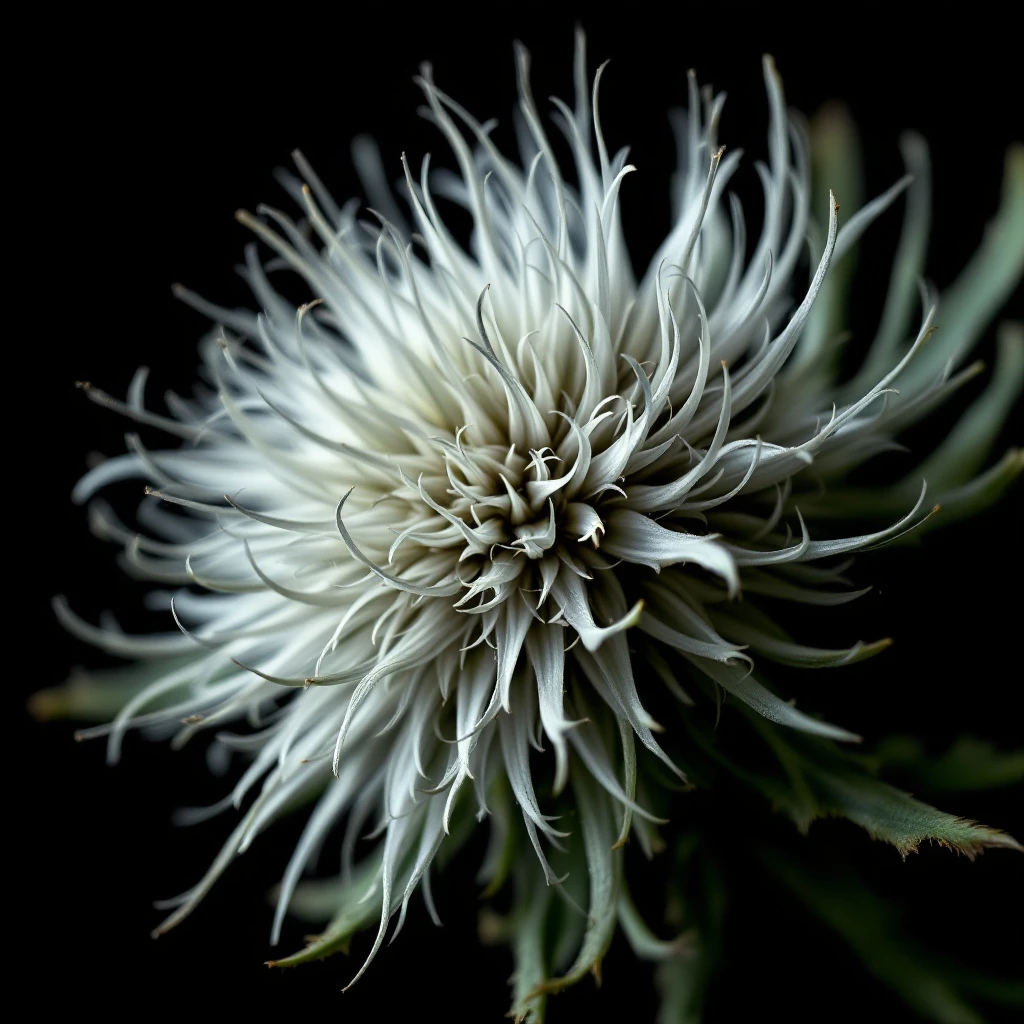
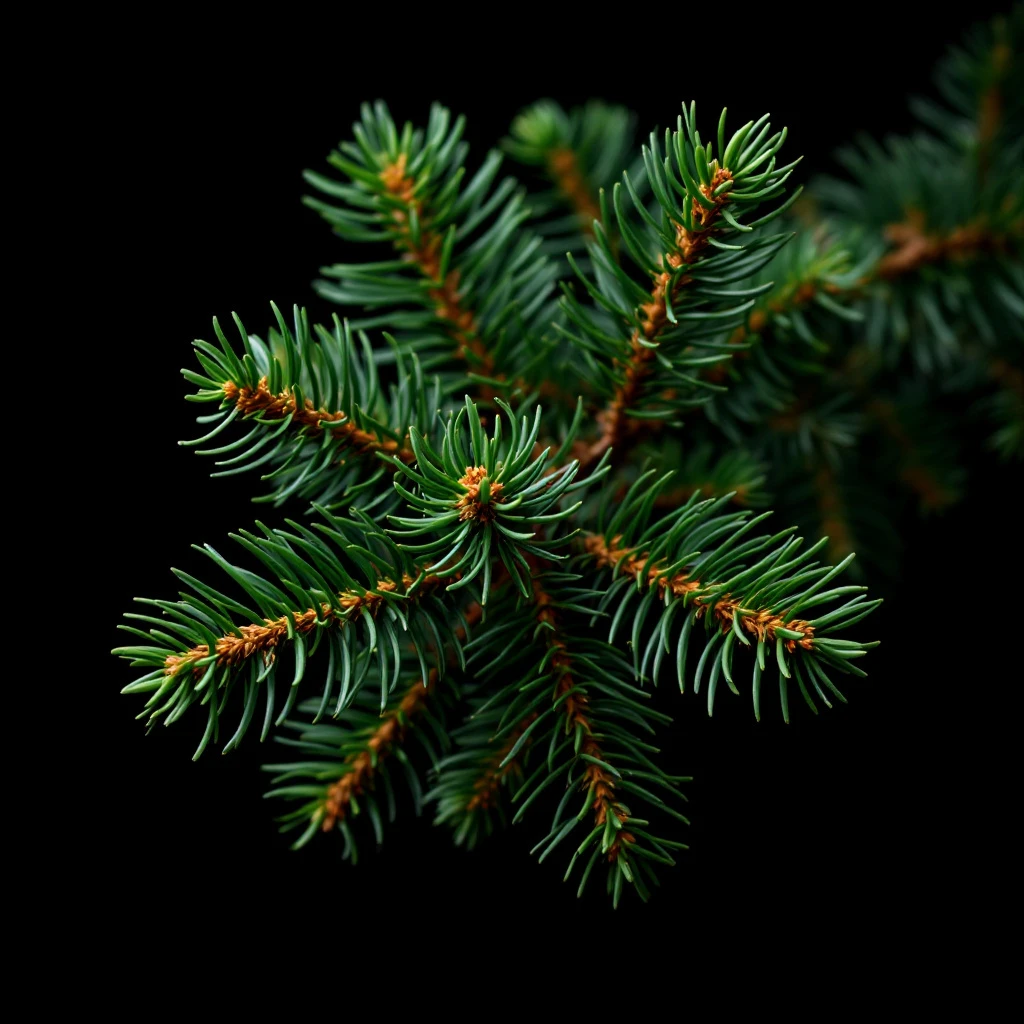
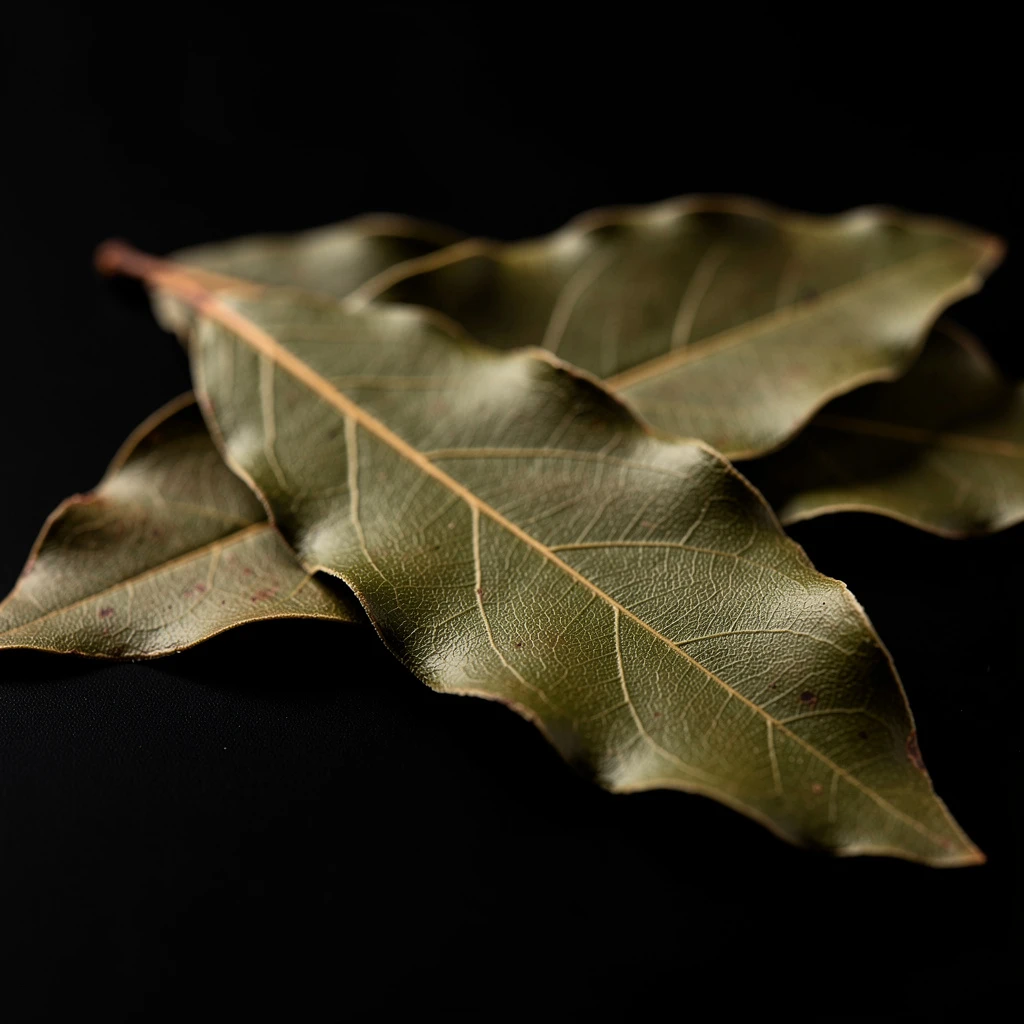
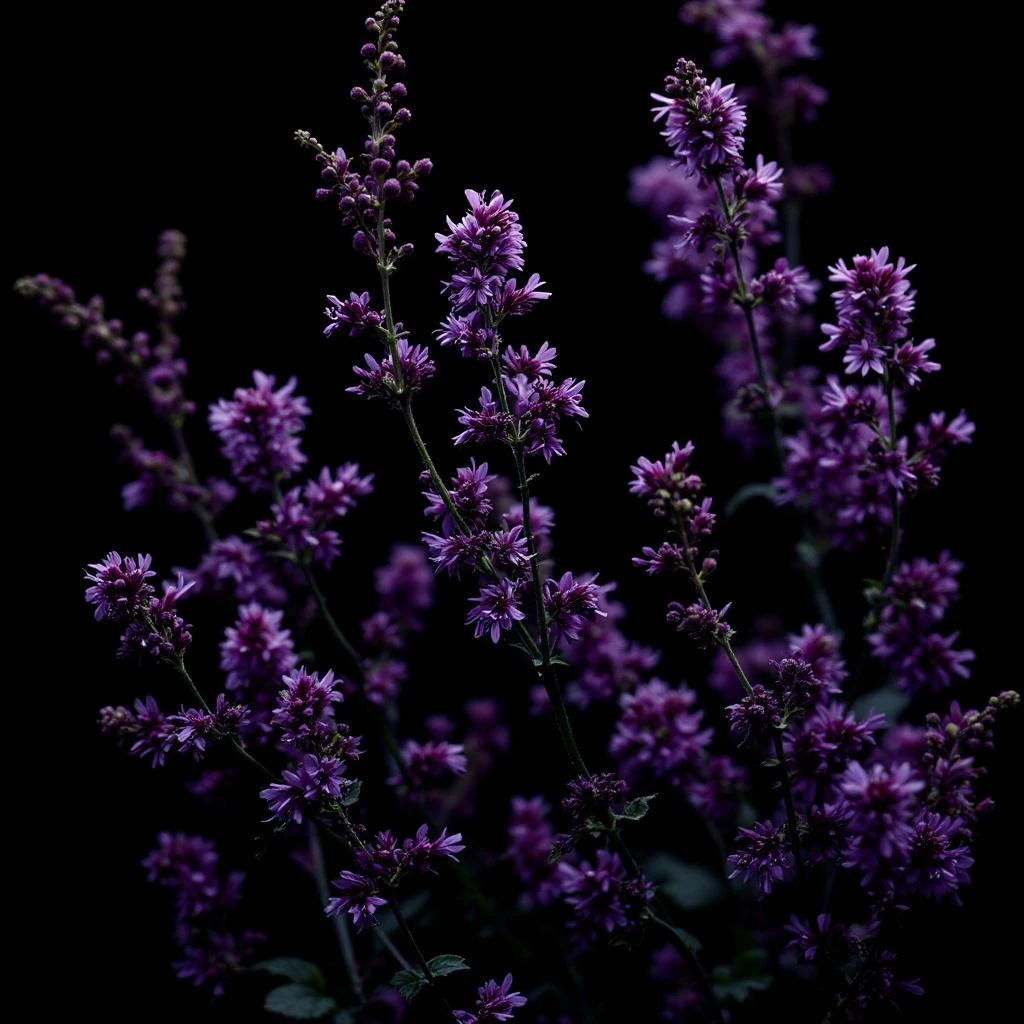
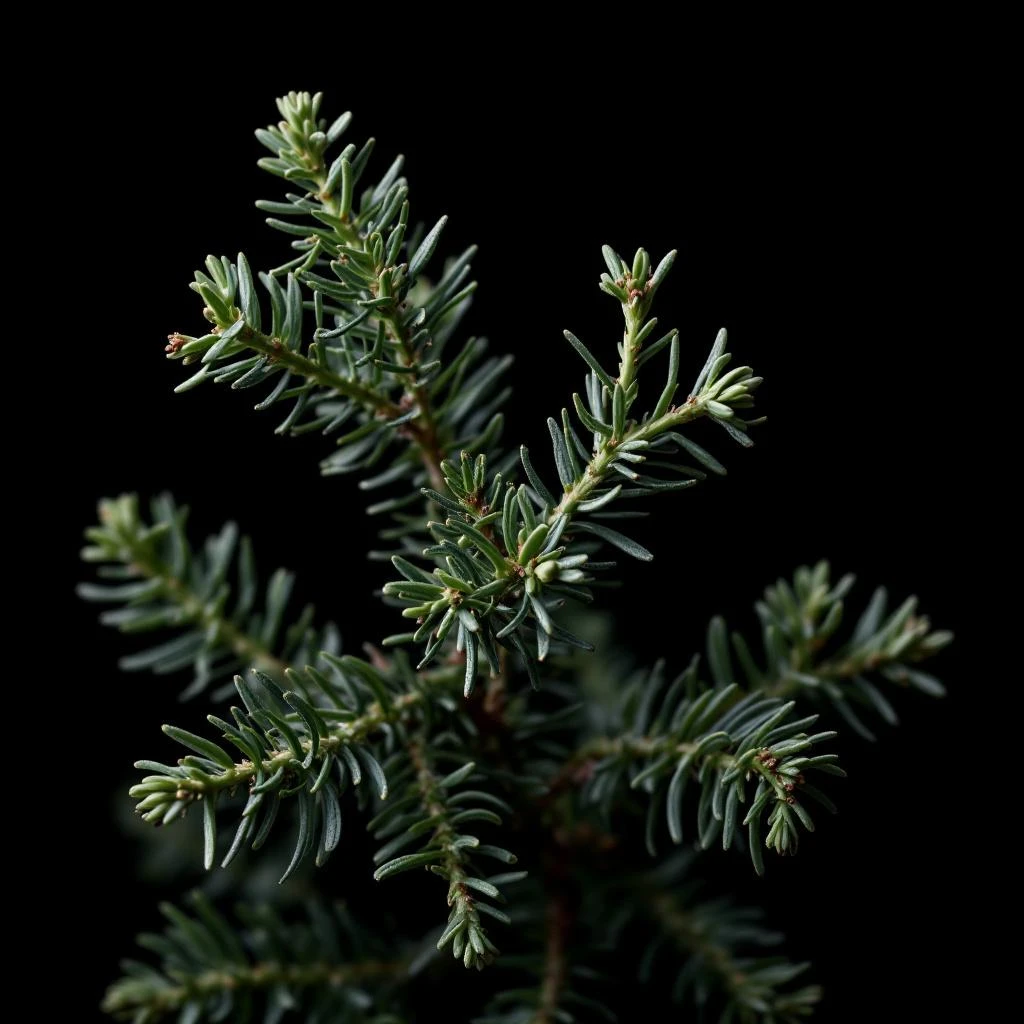
A medieval medicinal herb with an earthy, aromatic soul.
Monks named it "Holy Thistle" and cultivated it in monastery gardens across medieval Europe as a cure-all tonic.


Origin
Mediterranean region
Native to the Mediterranean basin and western Asia, St. Benedict's Thistle earned its sacred reputation in medieval Europe. Benedictine monks brought it from the Holy Land to monastery gardens across the continent, using it as a general tonic and remedy for digestive complaints.
Old herbal texts referred to it interchangeably as "Holy Thistle" and "St. Benedict's Thistle," cementing its place in monastic medicine. Its reputation spread through European folk traditions over centuries, where herbalists valued the bitter-tasting herb for its supposed strengthening properties.
The plant eventually found its way into perfumery as a natural extract, valued for the earthy-green, herbaceous character it lends to fragrance compositions, particularly in niche and natural-focused lines. Its journey from monastery garden to fragrance laboratory reflects a long tradition of botanical exploration.
Wears it best
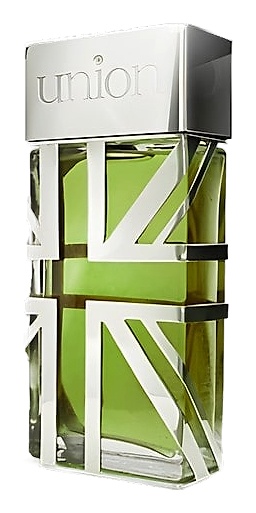
Fragrances featuring St. Benedict's Thistle
Brands
Brands known for St. Benedict's Thistle
Good to know
Questions, answered
The essentials on St. Benedict's Thistle in perfumery: how it smells, where it comes from, and how it behaves on skin.
What is St. Benedict's Thistle?
St. Benedict's Thistle is a bitter, aromatic annual herb native to the Mediterranean and western Asia. Its extract is used in perfumery for its earthy-green, herbaceous character. It was historically known as blessed thistle and holy thistle.
What are the common names for this plant?
Cnicus benedictus goes by several names. Besides St. Benedict's Thistle, it is commonly called blessed thistle, holy thistle, spotted thistle, and blessed knapweed. These names reflect its long history in European herbal traditions.
What parts of the plant are used to make the extract?
Fragrance manufacturers use the entire above-ground and below-ground plant. The bark, fruit, leaves, roots, and stems are all processed together, ensuring the extract captures the full aromatic complexity of the herb.
What does St. Benedict's Thistle smell like?
The extract carries a distinctly bitter, earthy-green aroma with herbaceous undertones. It adds depth and natural complexity to fragrance compositions, working well as a supporting note that grounds lighter floral or citrus elements.
Where does this ingredient originate?
The plant is native to the Mediterranean region and western Asia. It thrives in dry, rocky soils across southern Europe, the Balkans, and parts of the Middle East. Historical trade and monastic networks later spread it to monastery gardens throughout northern Europe.
How long has St. Benedict's Thistle been used?
Documented use dates to medieval Europe, roughly 1,000 years ago. Monks cultivated it in monastery gardens from around the 11th century onward. Its use in perfumery developed much later as natural aromatic ingredients came under systematic study.
Is St. Benedict's Thistle used directly or as an extract?
In perfumery, it appears as a solvent-extracted aromatic extract rather than raw plant material. This extraction method concentrates the volatile and non-volatile aromatic compounds, producing a usable ingredient with consistent fragrance properties.
Is St. Benedict's Thistle safe to use in fragrance?
When sourced from reputable suppliers, the extract meets industry safety standards for cosmetic and fragrance use. Suppliers providing IFRA compliance documentation confirm it meets current regulatory requirements for fragrance ingredients.