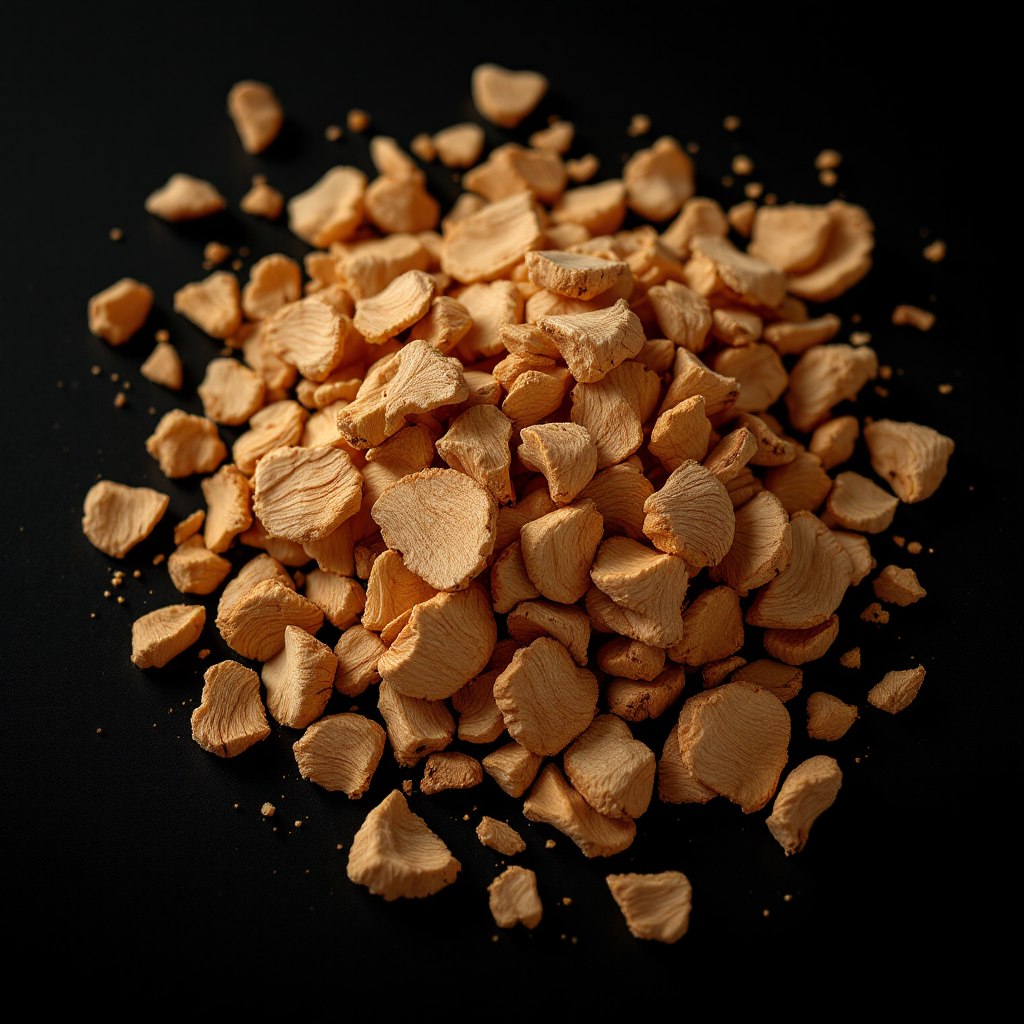
Scottish Pine
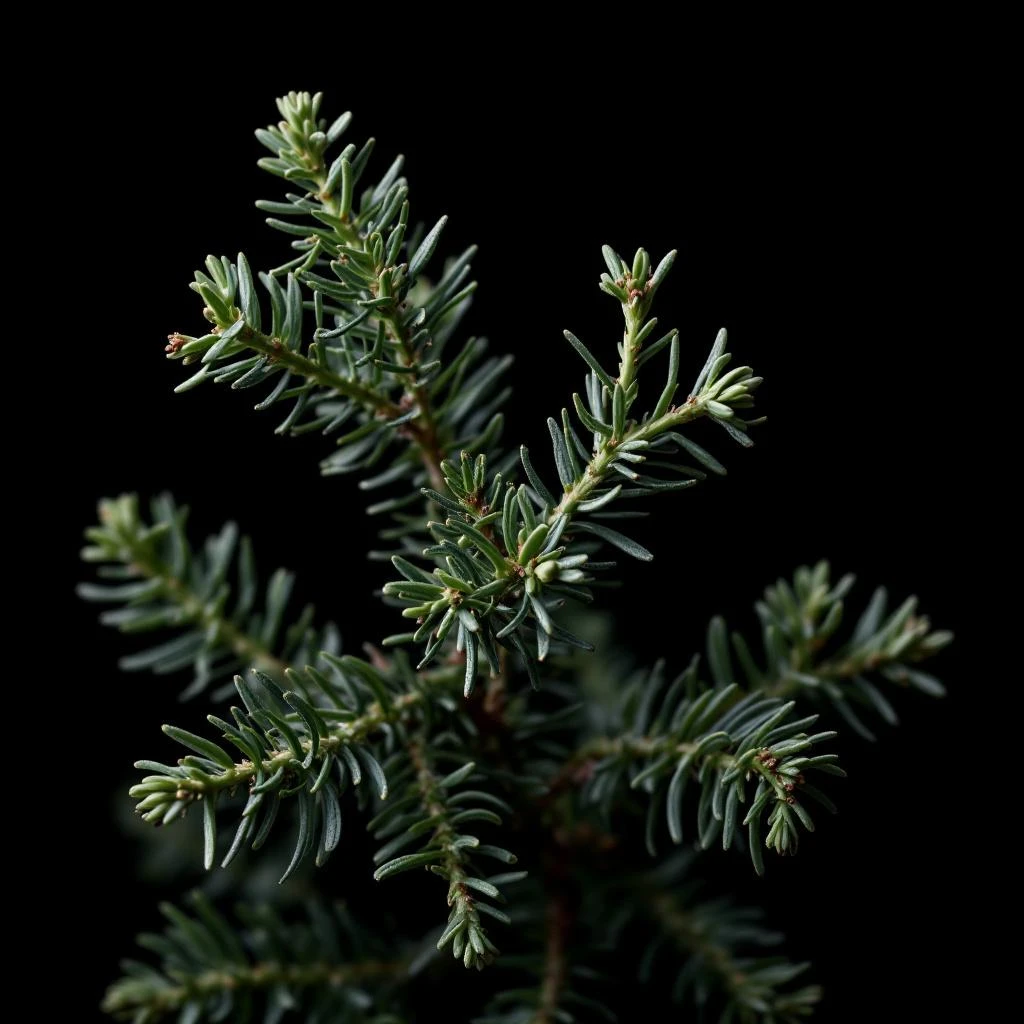
Fresh, resinous, and deeply woody — Scottish Pine captures the sharp clarity of northern forests in a single note, bringing the scent of wind-swept highland glens into the bottle.
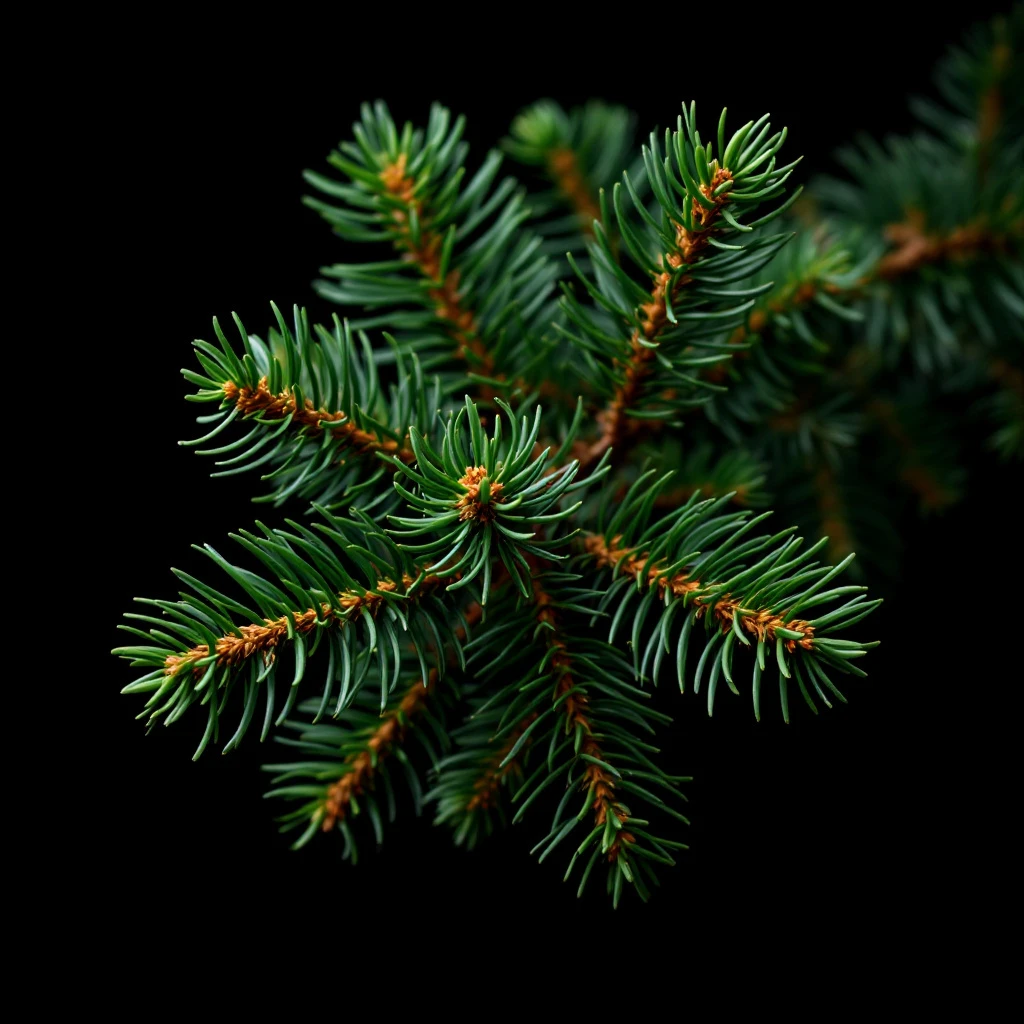
Character
How it smells
The crisp breath of ancient Caledonian forests.
Scots pine trees can live beyond 700 years. Old-growth remnants in the Cairngorms contain specimens that predate the Norman Conquest of England.



Origin
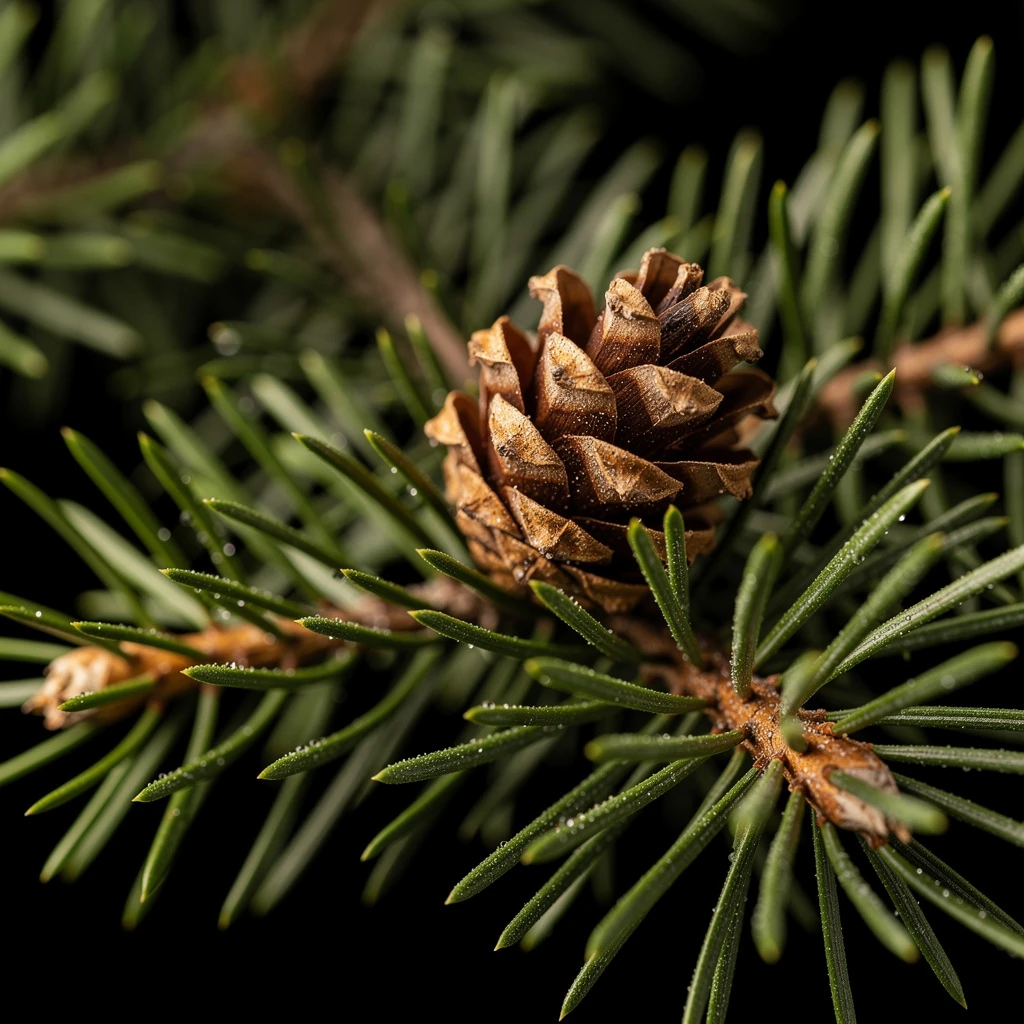
Scotland
Pine has occupied perfumery for thousands of years. Ancient Egyptian embalming practices included pine resin alongside cedarwood and juniper, suggesting the material was readily available and highly regarded. Greek physicians and perfumers then adopted pine oil, incorporating it into fragrant unguents popular across the Mediterranean.
Roman refinement of perfume-making elevated pine from a regional curiosity to a staple of the trade, with Roman texts describing pine-scented bath oils and fumigations. The critical advancement came in 12th-century Arabia, where physicians developed distillation techniques that allowed perfumers to isolate and concentrate the aromatic compounds found in pine needles. This process unlocked the fresh, green character that steam-distilled pine oil expresses, separating it from the heavier resinous notes that ancient methods had only captured as a blend.
Scottish pine gained particular prominence in the modern era as fragrance houses sought more distinctive botanical sources. The cool, slow growth of trees in Scotland's highlands produces an oil with higher concentrations of certain monoterpenes than pine from warmer climates, giving it a sharper, more aromatic quality that perfumers associate with genuine northern forests.
Wears it best
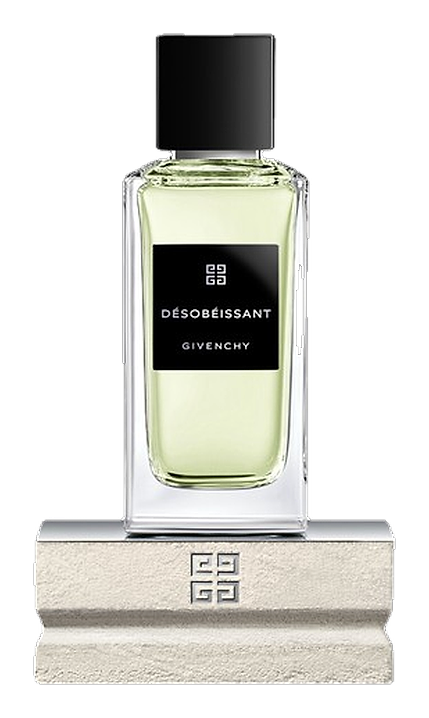
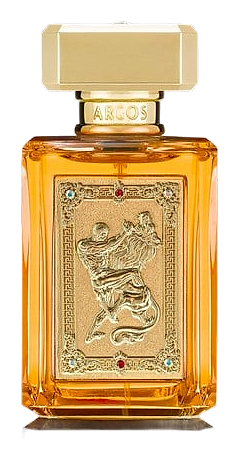
Fragrances featuring Scottish Pine

Good to know
Questions, answered
The essentials on Scottish Pine in perfumery: how it smells, where it comes from, and how it behaves on skin.
What does Scottish Pine smell like in fragrance?
Scottish Pine smells fresh, sharp, and resinous with a dry, woody base. It reads as the actual scent of a forest rather than a generic pine cleaner, with medicinal and balsamic qualities that linger in the dry-down.
Is Scottish Pine oil natural or synthetic?
Scottish Pine is a natural material. Perfumers source it from steam-distilled Pinus sylvestris needles harvested in Scotland. Synthetic pine-like aroma chemicals exist but lack the complexity of the natural oil.
How is Scottish Pine essential oil extracted?
Producers harvest fresh needles and young shoots from Scots pine trees, then pass live steam through the plant material. The steam carries volatile aromatic compounds into a condensation system where they separate from the water as essential oil.
What fragrances feature Scottish Pine as a prominent note?
Pine appears across many masculine and unisex fragrances as a heart or base note. Highland-focused fragrances from houses like Issey Miyake and Dior have used it prominently, though specific formulations vary widely.
How does Scottish Pine differ from other pine oils used in perfumery?
Scottish Pine oil has a sharper, more aromatic character than pine sourced from warmer regions. The slow growth in cool, wet conditions produces an oil with higher monoterpene content, giving it a fresher, more medicinal quality.
Which parts of the pine tree yield the fragrance oil?
Perfumers use the fresh needles and young shoots of Pinus sylvestris, not the wood or resin. Needles contain the highest concentration of volatile aromatic compounds and produce the cleanest, most green-scented oil.
How long has pine been used in perfumery?
Pine has been used since at least ancient Egyptian times, with documented use in embalming and perfumes dating back over 3,000 years. Steam distillation refinement in 12th-century Arabia made modern pine oil possible.
Can Scottish Pine be used in home fragrance products?
Yes, the essential oil is widely available for candles, diffusers, and room sprays. Use it at low dilution rates, typically 1-2% in carrier substances, as the aroma compounds are potent and can overpower a blend at higher concentrations.