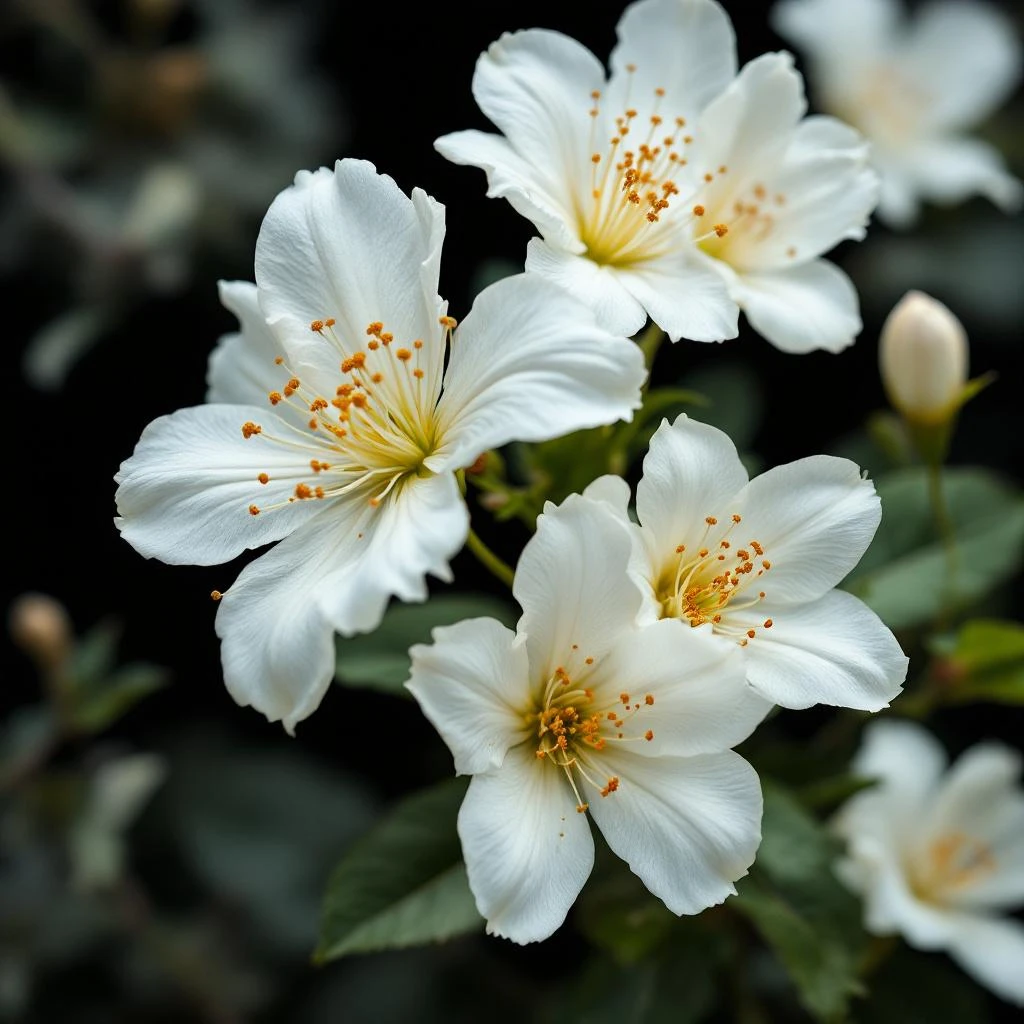
Wild Daffodil
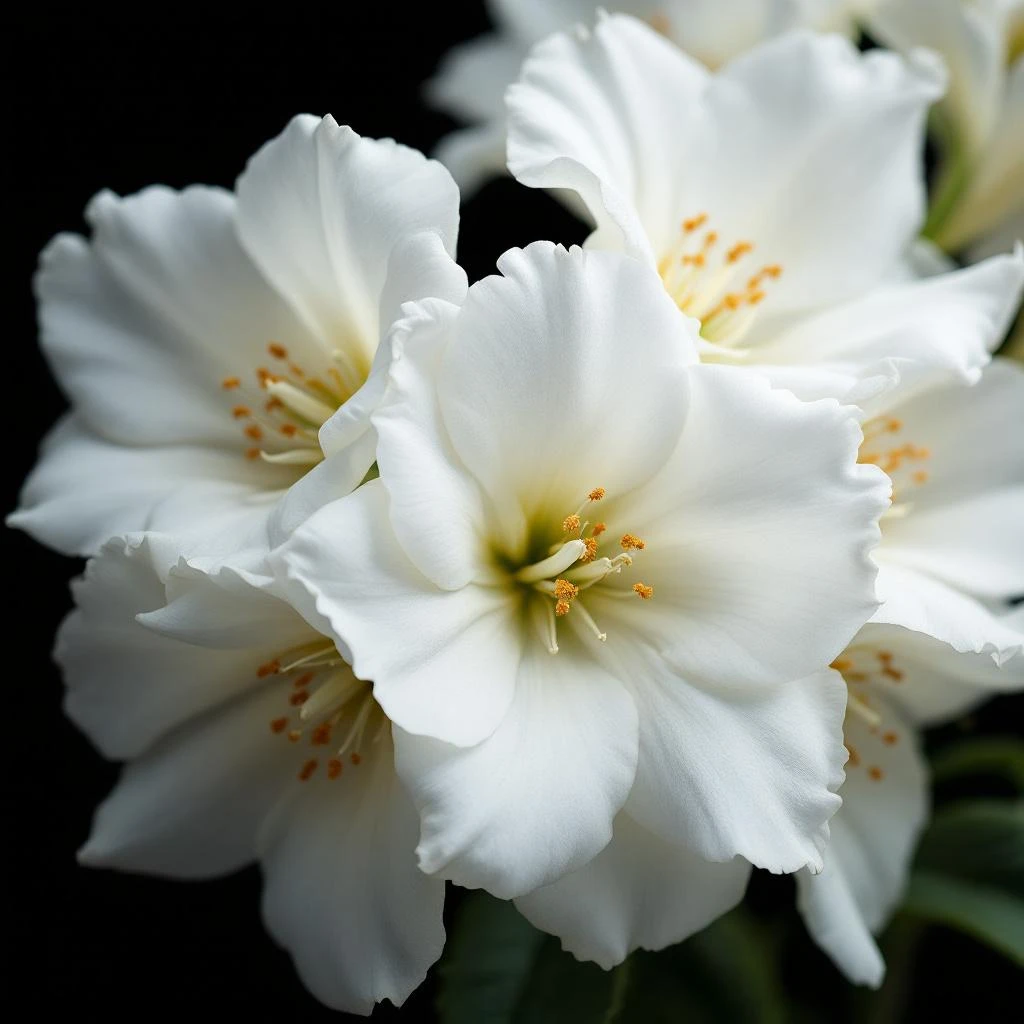
Wild daffodil brings a bright, honeyed floral accent to perfume, supported by narcissus compounds that create its distinctive green, mineral character.
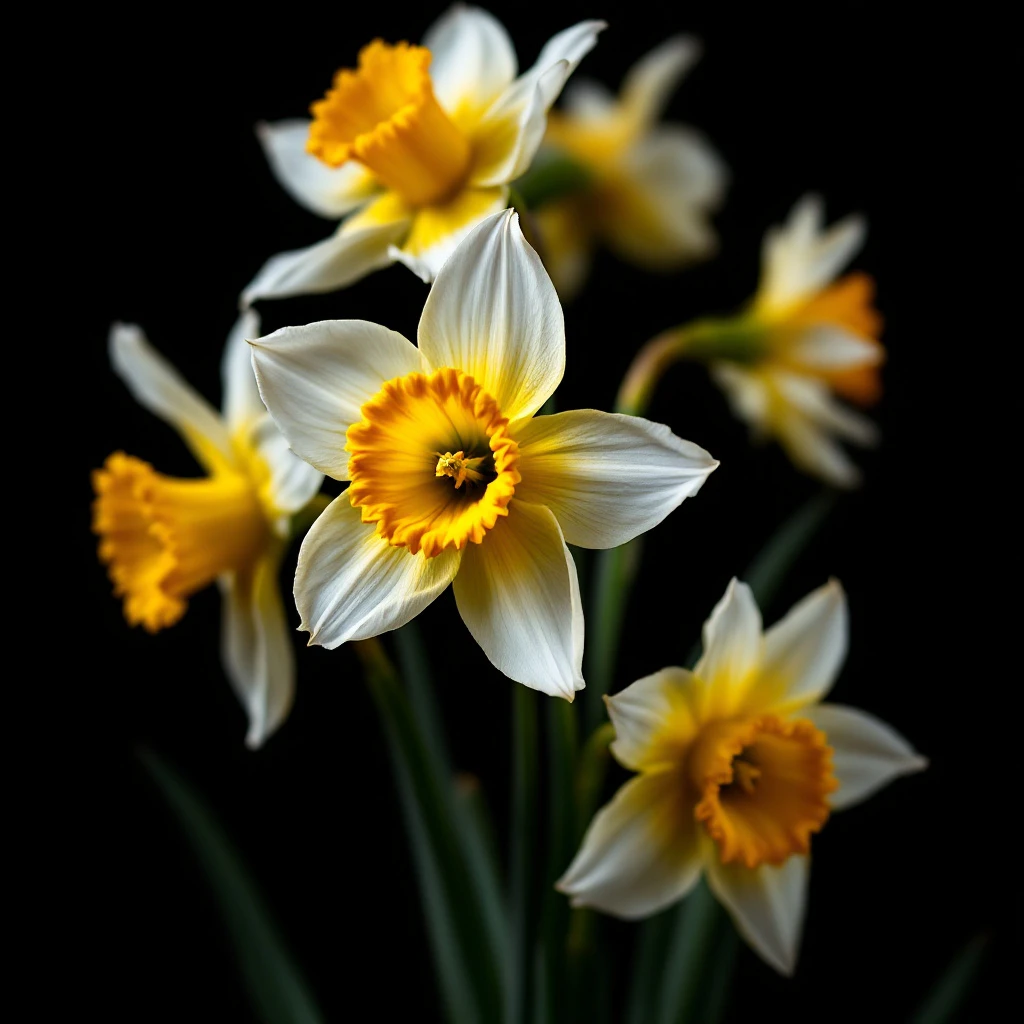
Character
How it smells
Spring’s bright floral note, with honey, green stems, and mineral depth.
Daffodil perfume is generally made from the bulbs, not the flowers, because the bulbs contain the strongest narcissus aroma compounds.
Origin
France
Narcissus has a long history in fragrance. The flowers appear in ancient Greek mythology as Narcissus, who was transformed into a flower associated with remembrance. The Arabs used narcissus oils in perfumery, and the Romans later created a fragrance called Narcissinum from narcissus oil.
Its popularity continued as European perfumery developed. In the nineteenth century, modern perfumery began to incorporate industrially produced aroma compounds alongside natural materials, expanding the ways floral notes could be composed and stabilized. Poet’s narcissus became especially important to natural perfumery in the early twentieth century, when French growers established bulb production in France to supply the fragrance industry.
Its strong scent remains one of the most distinctive materials in floral perfumery.
Wears it best
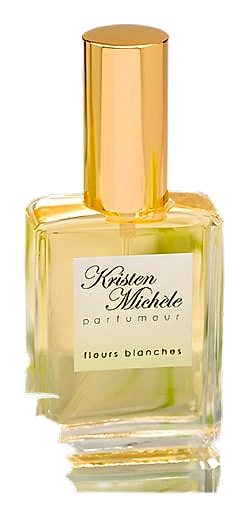
Fragrances featuring Wild Daffodil
Brands
Brands known for Wild Daffodil
Good to know
Questions, answered
The essentials on Wild Daffodil in perfumery: how it smells, where it comes from, and how it behaves on skin.
What does wild daffodil smell like in perfume?
Wild daffodil smells sweet, green, herbaceous, and slightly mineral, with a honeyed floral center. Its composition often recalls damp stems and warm narcissus bulbs rather than a delicate, dew-covered flower.
Is wild daffodil made from the flower or the bulb?
Perfume narcissus is mainly made from the bulbs, not the petals. Bulbs contain higher concentrations of the characteristic aromatic compounds, including isothymol and thymol.
How is wild daffodil extracted for perfumery?
Narcissus oil is produced through solvent extraction of the plant material and refined into an absolute. The method captures the flower’s complex, naturally occurring aromatic compounds.
Which type of daffodil is used in perfumery?
Poet’s narcissus, Narcissus poeticus, is the principal daffodil traditionally used in fine perfumery. Its delicate petals and strongly scented bulbs provide a more refined profile than many common garden daffodils.
Is natural wild daffodil expensive?
Yes. Natural narcissus extracts are costly because their production requires bulb cultivation, careful harvesting, and solvent extraction. A single bulb can yield only a small amount of usable aromatic extract.
Does wild daffodil need synthetic ingredients in perfume?
Not always, but perfumers may combine natural narcissus absolute with aroma chemicals. These compounds can reproduce specific facets of the note and improve consistency when natural harvests vary.
When did narcissus enter the history of perfumery?
Narcissus oil was used by the Arabs and Romans, who knew a perfume called Narcissinum. By the early twentieth century, French narcissus cultivation had become closely associated with fine perfumery.
What perfumes are known for the daffodil note?
Narcissus is a signature note in several classic floral fragrances, including Eau de Narcisse and Chanel’s Eau de Cologne. It also appears in modern compositions that emphasize green, honeyed, or mineral floral facets.