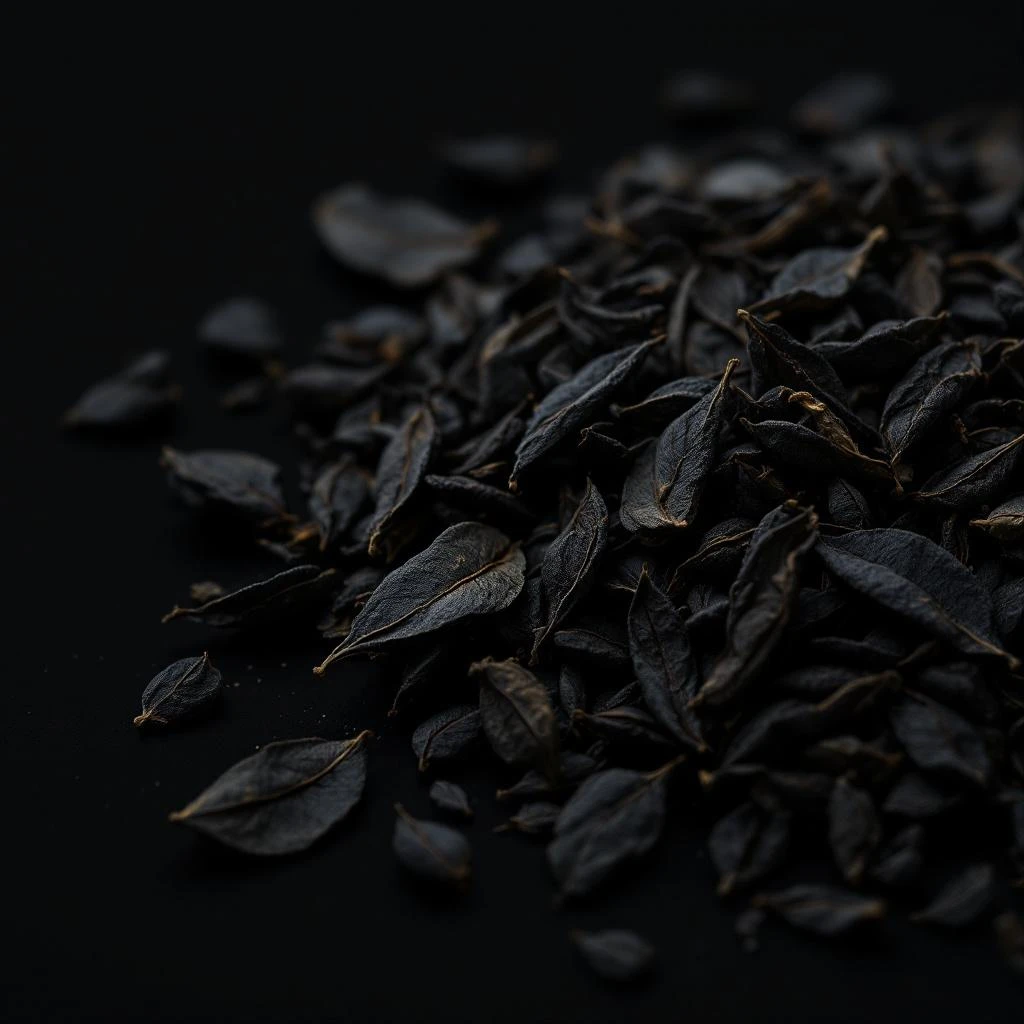
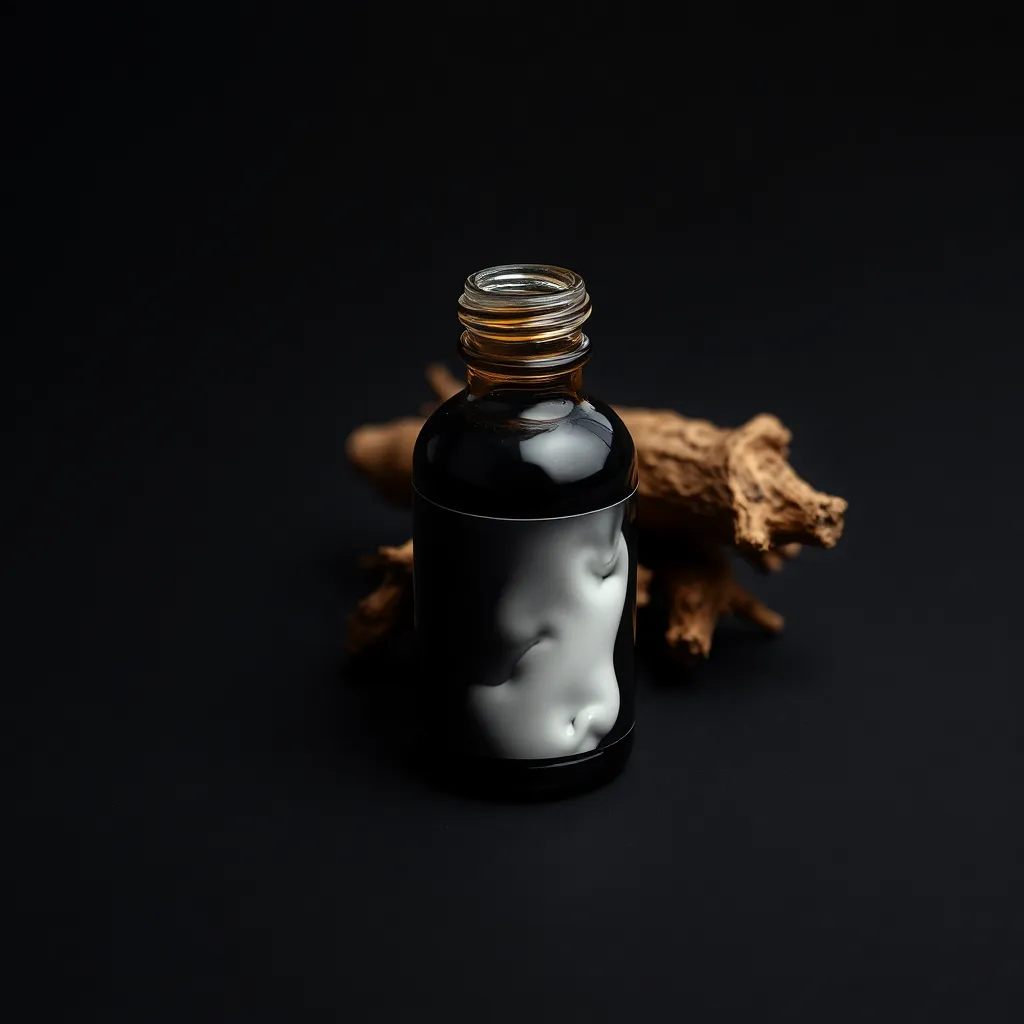
White Willow
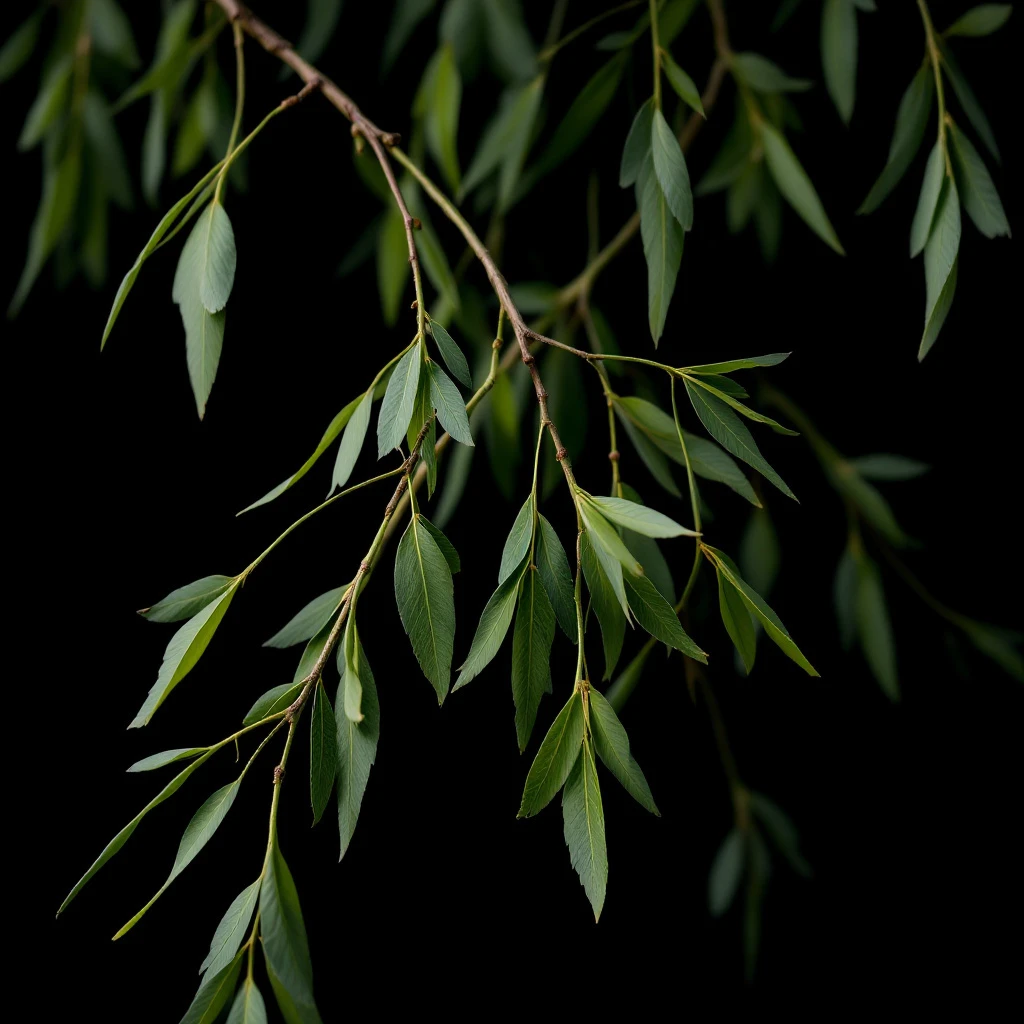
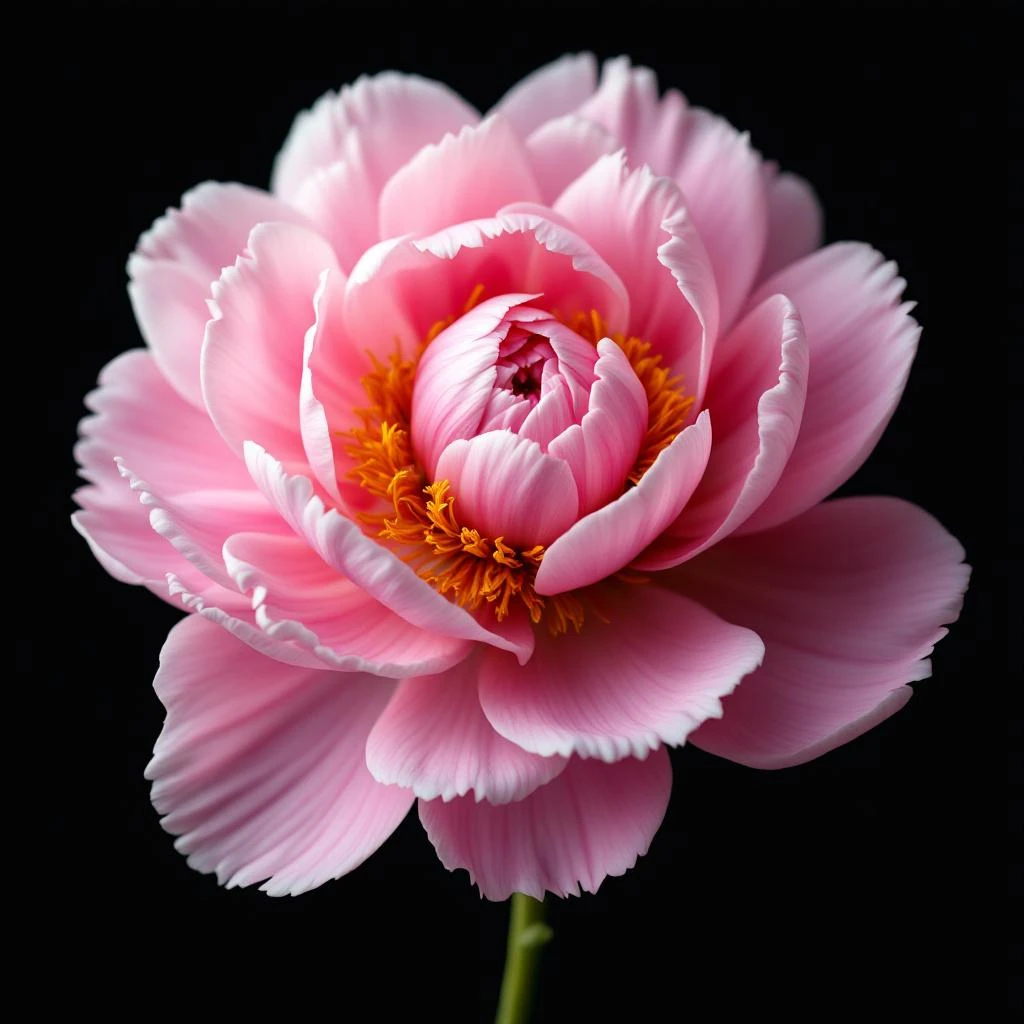
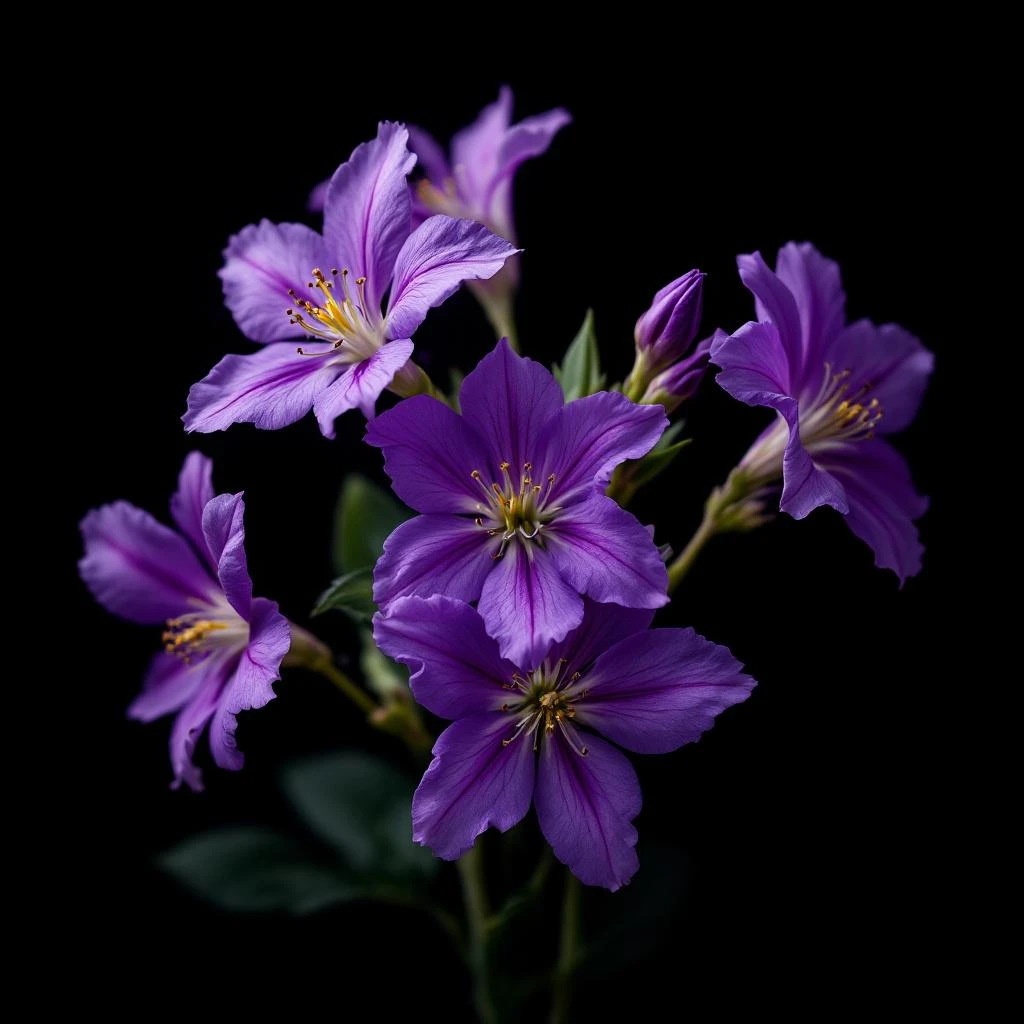
White willow carries the cool, damp scent of riverbank woods: wet bark, green sap, and a faint medicinal sharpness that echoes its ancient healing heritage.
Character
How it smells
Ancient bark, river-sharp clarity.
Salicylic acid, the ancestor of aspirin, was first isolated from white willow bark in 1838, though humans had used willow medicinally for millennia before.







Origin
United Kingdom
White willow has wound through human history as both medicine and material. Ancient Egyptians documented willow poultices; Hippocrates recommended willow bark tea for pain and fever around 400 BCE. Roman naturalist Pliny the Elder catalogued willow's medicinal uses across the empire.
The Cree and other Indigenous peoples of North America used local willow species for similar purposes long before European contact. When European chemists finally isolated salicin in 1828 and synthesized salicylic acid in 1838, they drew from knowledge millennia old. In perfumery, white willow arrived later as a Terroir-driven ingredient, reflecting a modern movement toward capturing specific botanical moments rather than generic green notes.
Today it appears in fragrances designed around riverbank or wetland themes, prized for authenticity over abstraction.
Wears it best
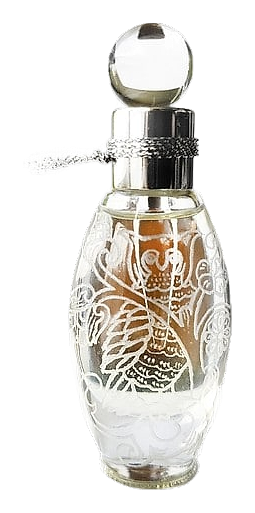
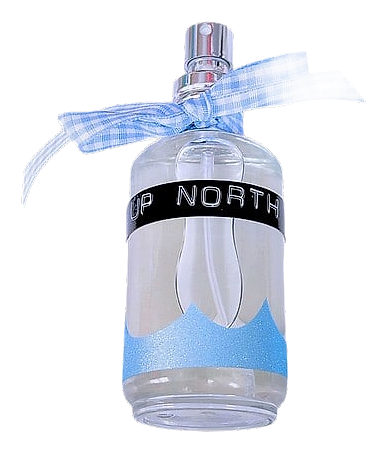
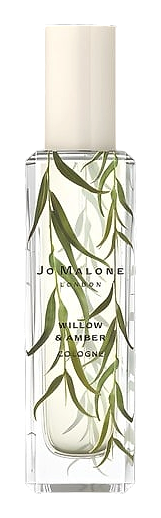
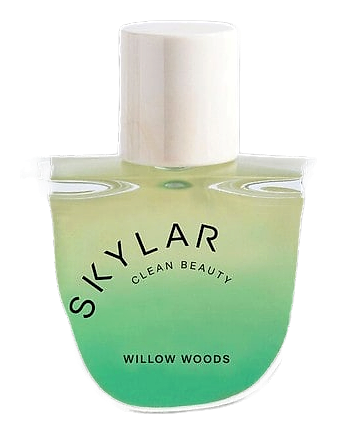
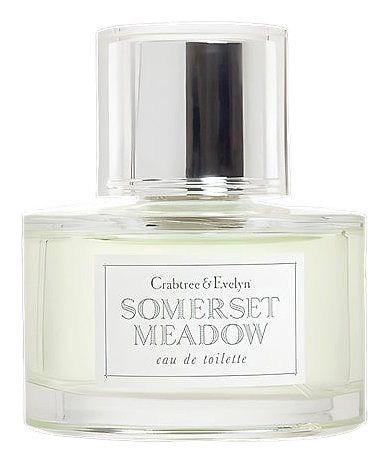
Fragrances featuring White Willow

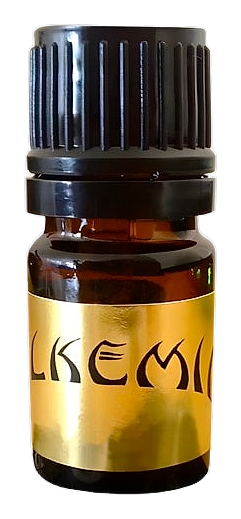
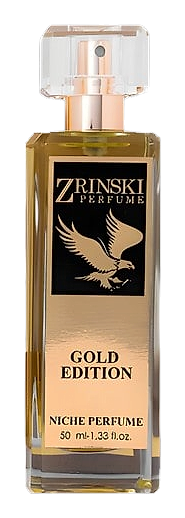
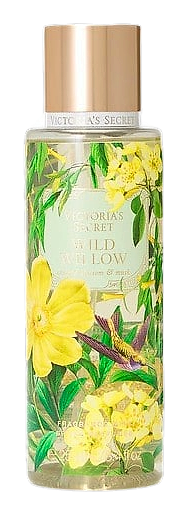
Brands
Brands known for White Willow
Good to know
Questions, answered
The essentials on White Willow in perfumery: how it smells, where it comes from, and how it behaves on skin.
What does white willow smell like?
White willow smells like peeling a fresh twig beside a river: wet wood, cool green sap, and a medicinal sharpness. The scent carries damp earthiness with an almost aquatic quality, though more mineral than watery.
Is white willow used in natural or synthetic perfumery?
White willow appears in both contexts. Natural perfumery uses solvent-extracted bark and twigs, while synthetics may isolate salicylic compounds. Both approaches aim to capture the characteristic wet-bark, medicinal-green profile.
Does white willow have historical significance in fragrance?
White willow's perfumery use is relatively modern, emerging from the Terroir movement. Its historical significance lies in traditional medicine, where cultures across Europe, Egypt, and North America used willow bark for pain relief long before synthetic aspirin arrived.
What fragrances feature white willow as a primary note?
White willow remains a specialty ingredient found in artisan and niche fragrances, often positioned as a bridge between green and aquatic families. It appears most often in compositions built around riverbank, forest, or wetland imagery.
Can white willow be substituted with other ingredients?
No direct substitute captures white willow's exact profile. Willow absolute offers similar wet-wood character. For the medicinal-green note, birch tar or gaïac wood provide some overlap, though neither replicates the full riverbank quality.
What extraction method produces white willow for perfumery?
Solvent extraction of dried bark and young twigs yields an aromatic absolute. The twigs, harvested in late winter when sap runs high, contribute the most potent aromatic compounds to the extraction.
Which parts of the white willow plant are used?
Perfumery uses the bark and young twigs, where aromatic and medicinal compounds concentrate. Older wood lacks the necessary concentration of salicylic and other aromatic constituents that define white willow's scent character.
Why does white willow smell medicinal?
White willow bark contains salicin, a compound the body converts to salicylic acid. This same compound led to aspirin development in the 1830s and directly contributes to the medicinal, slightly sharp quality in the extracted aroma.