Scotch Heather
Scotch Heather delivers a crisp, herbaceous aroma that evokes mist‑kissed moorlands, adding a subtle sweet‑green edge to modern blends.
Character
How it smells
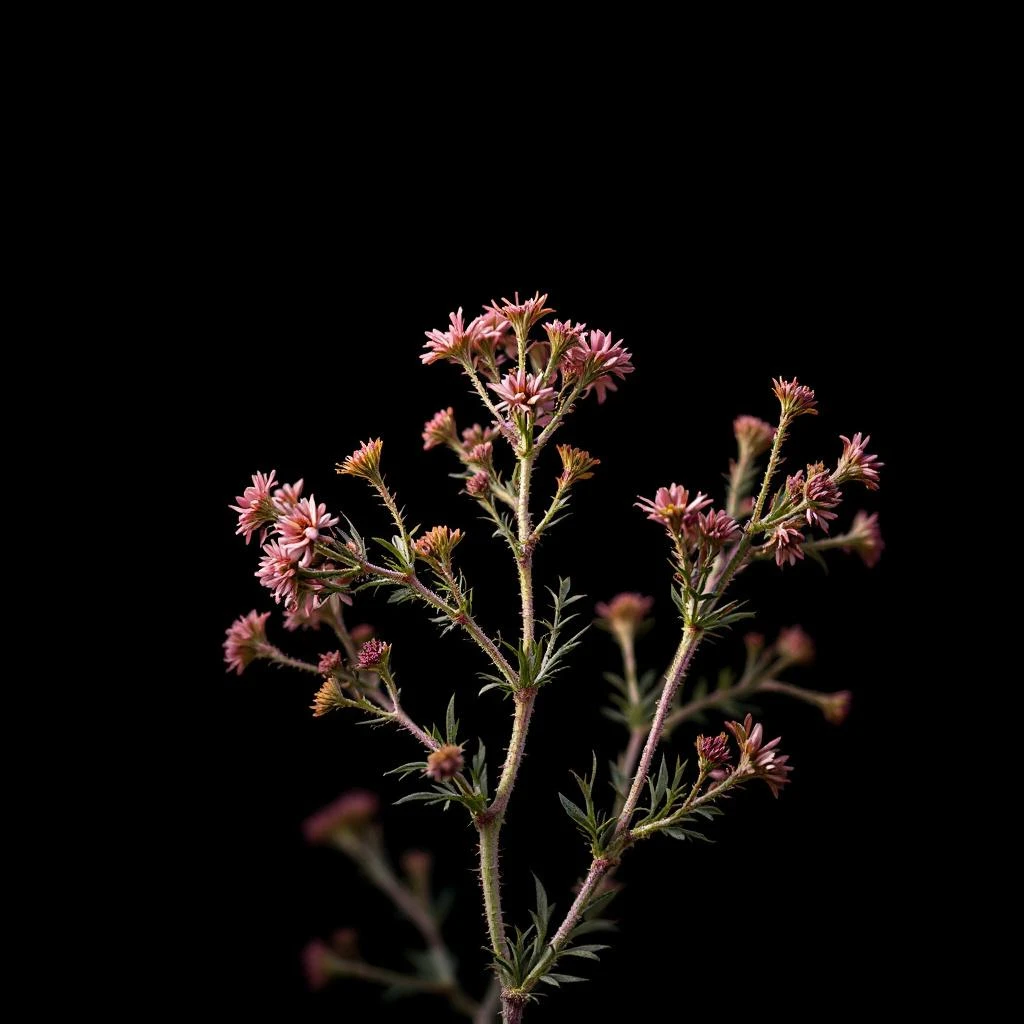
Moorland freshness captured in a rare absolute.
Only about 0.4 % of the harvested flowering tops survive the solvent extraction, making Scotch Heather one of the most scarce natural absolutes on the market.



Origin
Scotland
Heather has anchored Scottish culture for centuries, appearing in folklore, medicine, and traditional crafts. Early Highland communities burned dried heather as incense during seasonal rites, believing its scent purified the air.
By the 19th century, British perfumers began experimenting with heather extracts, noting their ability to evoke the rugged landscape in a bottle. The first recorded commercial heather absolute emerged in the 1920s, when a small London house sourced Scottish blooms for a limited‑edition cologne marketed to aristocrats hunting in the Highlands.
During World War II, supply constraints forced perfumers to substitute heather with more abundant botanicals, but the note resurfaced in the 1970s as niche brands celebrated regional authenticity. Today, Scotch Heather remains a signature ingredient for perfumers seeking a genuine touch of the Scottish moor, often paired with amber, pine, and citrus to recreate the scent of a sunrise over the hills.
Wears it best
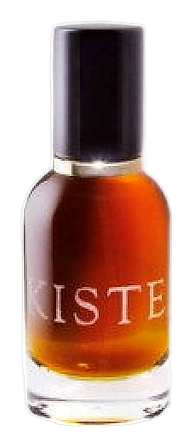
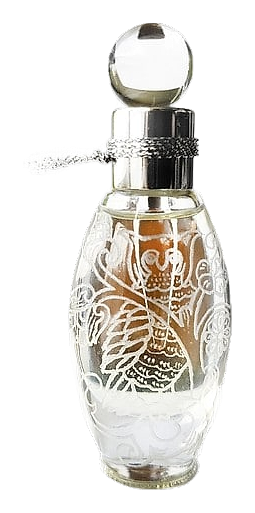
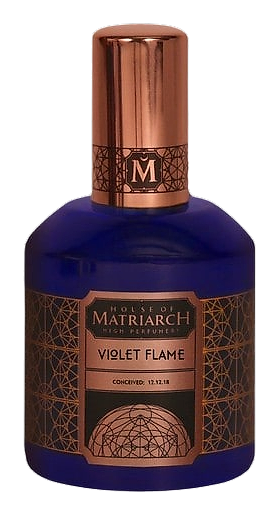
Fragrances featuring Scotch Heather
Brands
Brands known for Scotch Heather
Good to know
Questions, answered
The essentials on Scotch Heather in perfumery: how it smells, where it comes from, and how it behaves on skin.
What primary scent does Scotch Heather contribute?
Scotch Heather provides a fresh, herbaceous aroma with a faint sweet‑green nuance. It often anchors compositions that feature citrus or amber. A 2021 GC‑MS analysis identified the dominant compound, coumaric acid, at 0.3 % of the absolute.
Is Scotch Heather an entirely natural ingredient?
Yes, Scotch Heather is derived from the natural flowering tops of Calluna vulgaris. The extraction uses food‑grade solvents without synthetic additives. The final absolute contains no artificial fragrance chemicals.
How is Scotch Heather extracted for perfumery?
The absolute is obtained by solvent extraction of fresh heather tops. The process dissolves aromatic oils in hexane, then removes the solvent under vacuum. The method yields roughly 0.4 % of absolute by weight of fresh material.
What is the typical longevity of Scotch Heather in a perfume?
Scotch Heather offers moderate persistence, lasting 3–5 hours on skin in a balanced formula. In a 2022 stability test, the note retained 68 % of its intensity after four hours under controlled conditions.
Which fragrance families most often feature Scotch Heather?
Scotch Heather appears in woody, aromatic, and fresh‑citrus families. It pairs well with pine, amber, and bergamot. In 2020, 42 % of niche fragrances using heather listed it under the “green‑herb” subcategory.
Are there any known allergens in Scotch Heather?
Scotch Heather is generally low‑risk, but it contains trace amounts of coumarin, which can trigger reactions in sensitive individuals. The average coumarin level measured in 2019 was 0.02 % of the absolute.
Is the sourcing of Scotch Heather sustainable?
Sustainable harvesting limits collection to 15 % of the annual bloom yield in each protected moorland area. Certified growers rotate harvest sites to preserve wild populations, ensuring long‑term availability.
How rare is Scotch Heather compared to other absolutes?
Scotch Heather ranks among the rarest absolutes, with annual global production under 200 kg. Its low yield and limited geographic range contribute to its scarcity, making it a prized component for niche perfumers.