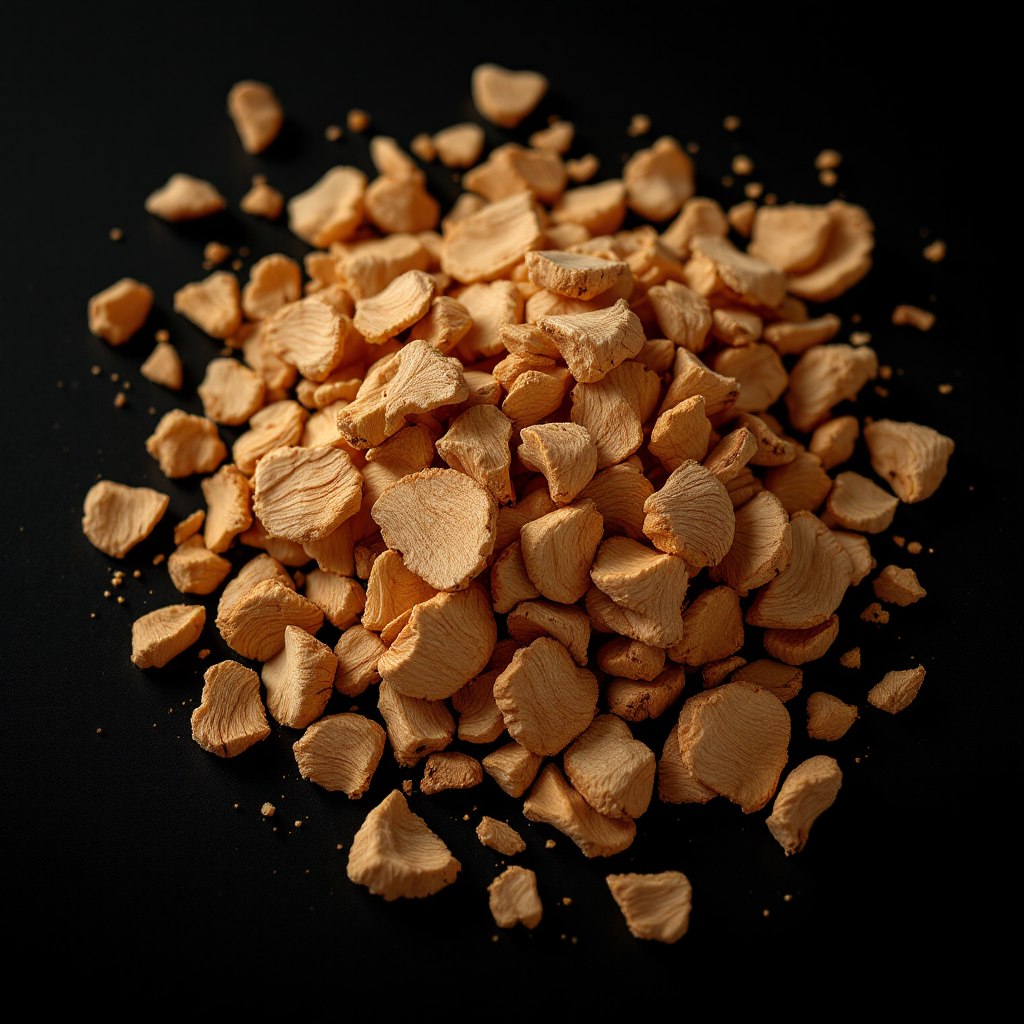
White Spruce
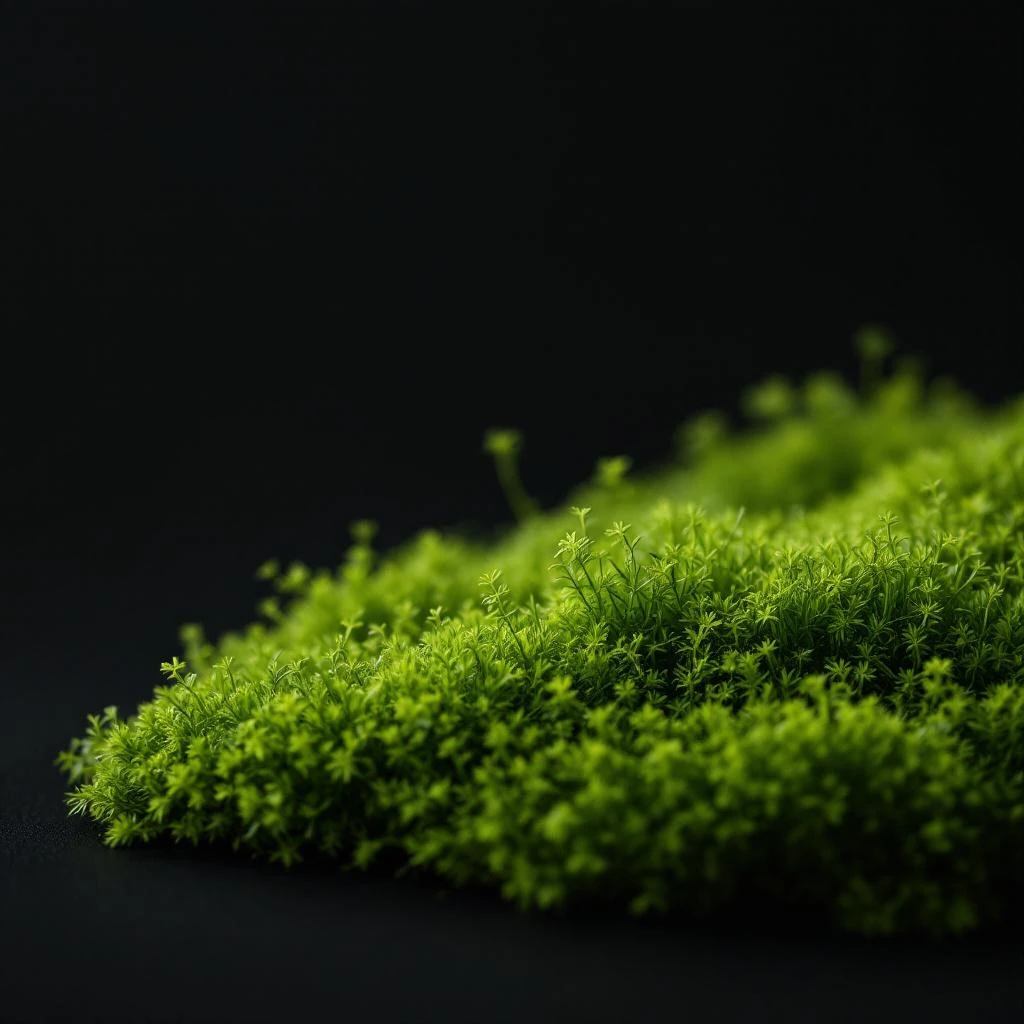
A crisp, crystalline scent drawn from the boreal forests of the far north. White Spruce captures the cold air clarity of ancient conifer woodlands in a single, lingering note.
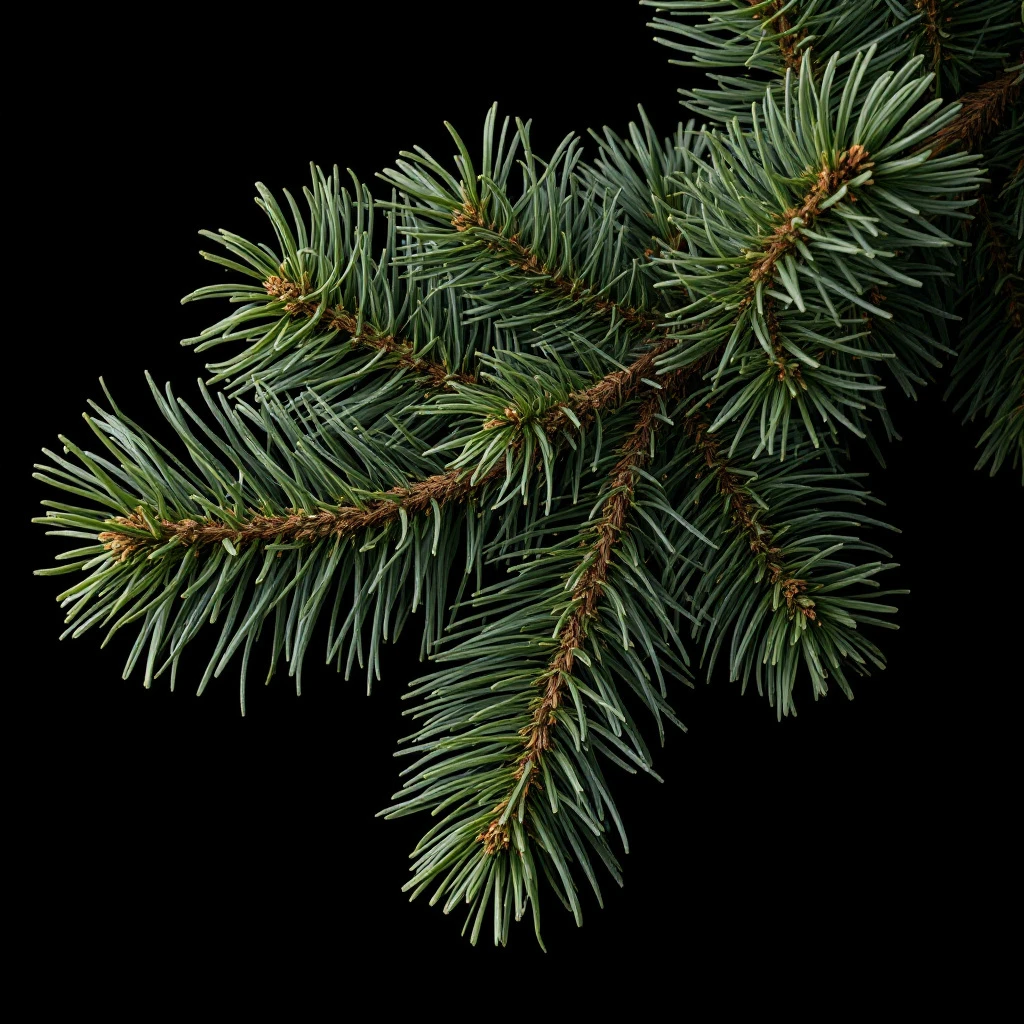
Character
How it smells
Northern forest air, captured in a bottle.
A single White Spruce tree can live for 300 years, its needles retaining their fresh scent even under winter snow.



Origin
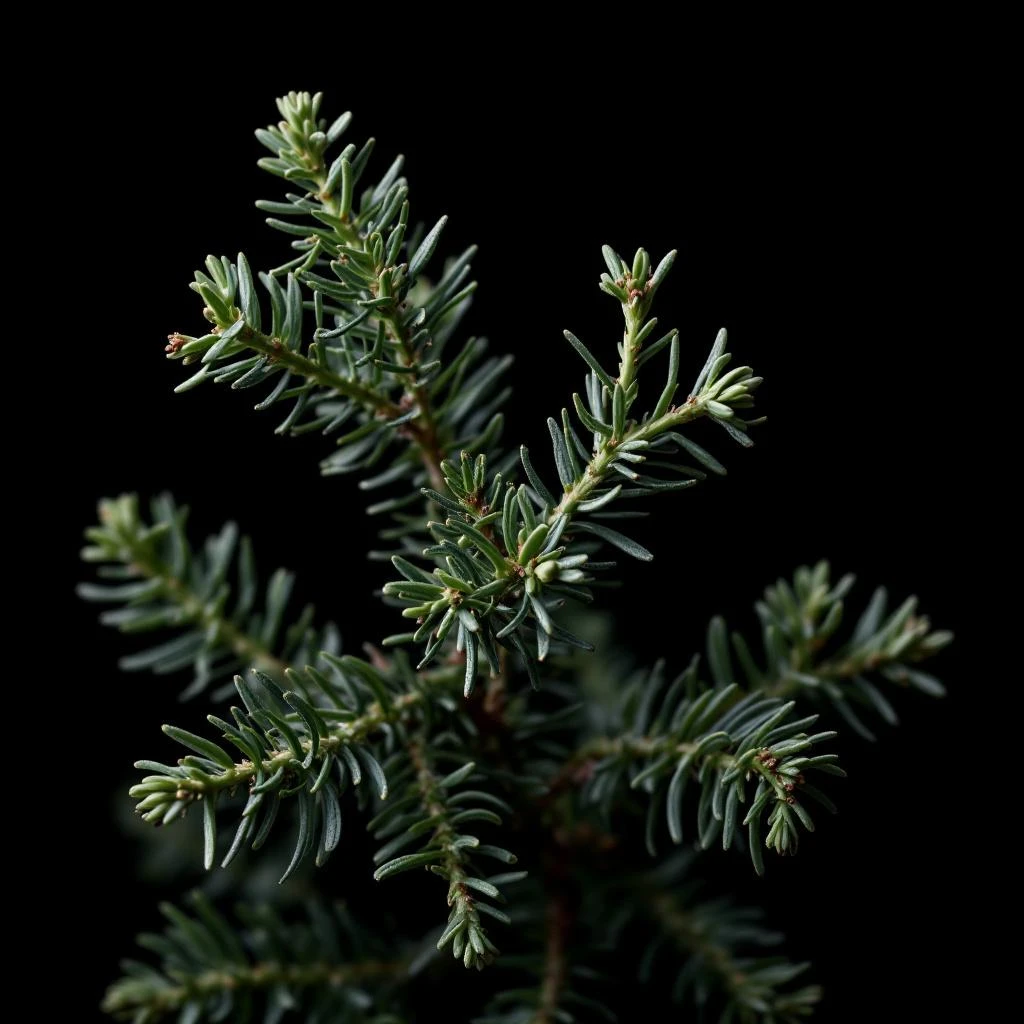
Canada
Indigenous peoples of northern North America used White Spruce for respiratory and joint support for generations before European contact. Early settlers adopted these remedies as they pushed into the continent.
The conifer gained traction in perfumery during the 20th century as the industry sought sustainable natural ingredients. Today, Canadian distillers supply most of the global market with this essential oil, which remains a staple in masculine and outdoor-inspired fragrance lines.
Wears it best
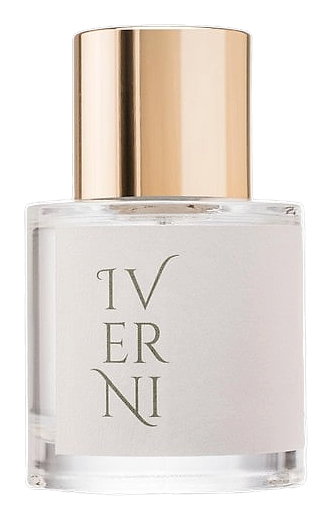
Fragrances featuring White Spruce
Brands
Brands known for White Spruce
Good to know
Questions, answered
The essentials on White Spruce in perfumery: how it smells, where it comes from, and how it behaves on skin.
What does White Spruce smell like?
White Spruce has a fresh, clean conifer scent with subtle balsamic undertones. Think of morning air in a northern pine forest, crisp and slightly sweet. It differs from sharper evergreens like pine or fir, offering a gentler, more rounded woody character.
Is White Spruce natural or synthetic?
White Spruce is a natural ingredient sourced from Picea glauca, a conifer native to North American boreal forests. Some fragrance houses create synthetic reconstructions, but natural steam-distilled oil remains the premium choice. Natural isolates offer greater complexity than their synthetic counterparts.
What fragrances use White Spruce?
White Spruce appears primarily in masculine fragrances and outdoor-inspired scent lines. It functions as a heart or base note, lending freshness and woodland character. Niche perfumers favor it for its authentic conifer presence and its ability to ground lighter citrus or floral accords.
Is White Spruce oil safe for skin?
White Spruce oil requires dilution before skin application. The essential oil is potent and can cause irritation when used undiluted. Industry standards call for concentrations between 0.1-2% in final fragrance products. Anyone with conifer allergies should avoid it entirely.
How long does White Spruce scent last?
White Spruce typically lingers for 4-6 hours in fragrance applications. Its moderate volatility makes it better suited as a heart or base note rather than a fleeting top note. Performance varies based on formulation and individual skin chemistry. In proper dilution, the scent develops gradually, revealing subtle balsamic qualities over time.
What blends well with White Spruce?
White Spruce pairs naturally with other conifers like cedarwood and fir, plus bright citrus and herbaceous notes such as bergamot, lavender, and clary sage. It also complements resinous ingredients like frankincense and myrrh. In masculine compositions, it often anchors lighter top notes while adding depth to woody or aromatic bases.
Does White Spruce help with breathing?
Traditional aromatherapy uses White Spruce for respiratory support. Its vapor may ease congestion when diffused. However, this application falls outside fragrance formulation. In perfumery, the note serves aesthetic rather than therapeutic purposes, though its fresh, clean character can evoke a sense of open air and clarity.
Where does White Spruce grow naturally?
White Spruce thrives across Canada and Alaska, growing in boreal forests and mountainous regions. It flourishes in cold climates, reaching heights of 130 feet. Canadian distillers, particularly in British Columbia and Quebec, supply most of the world's White Spruce oil.