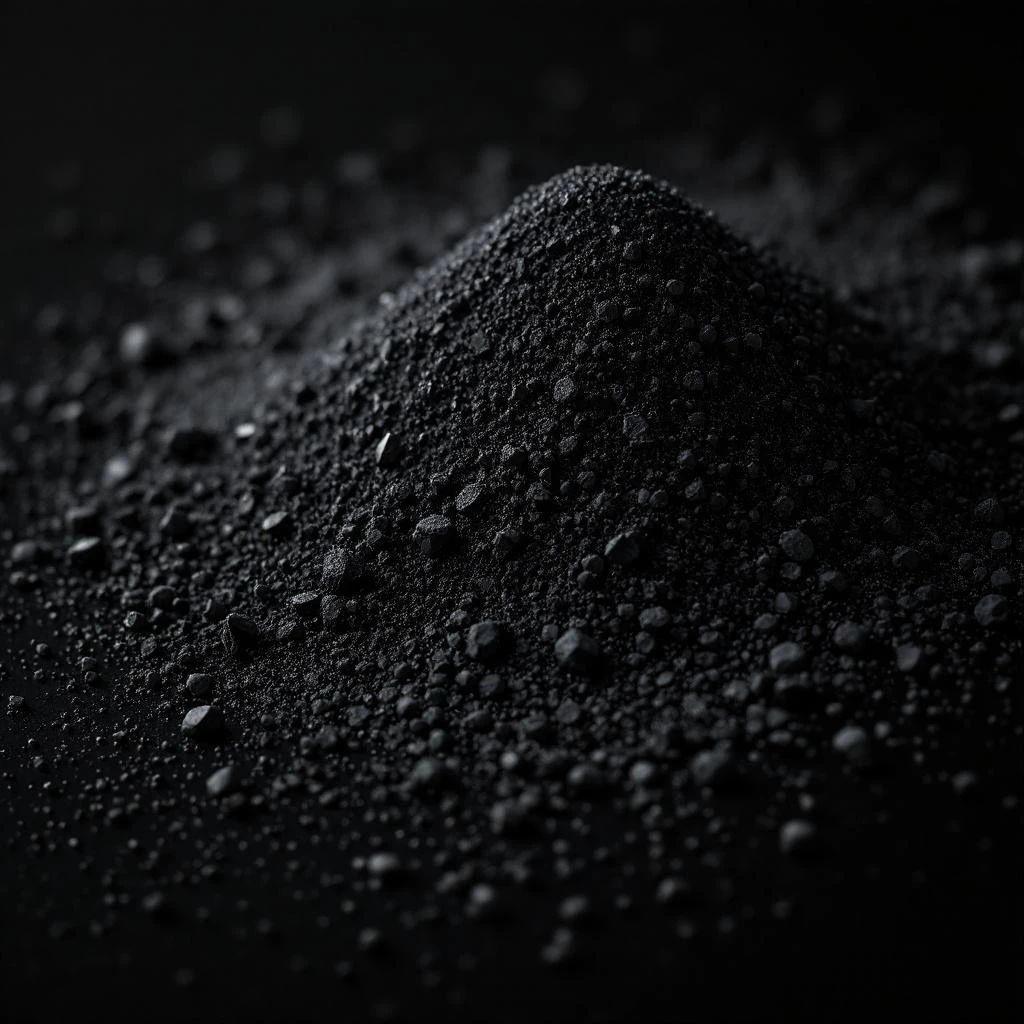
Damp Stone
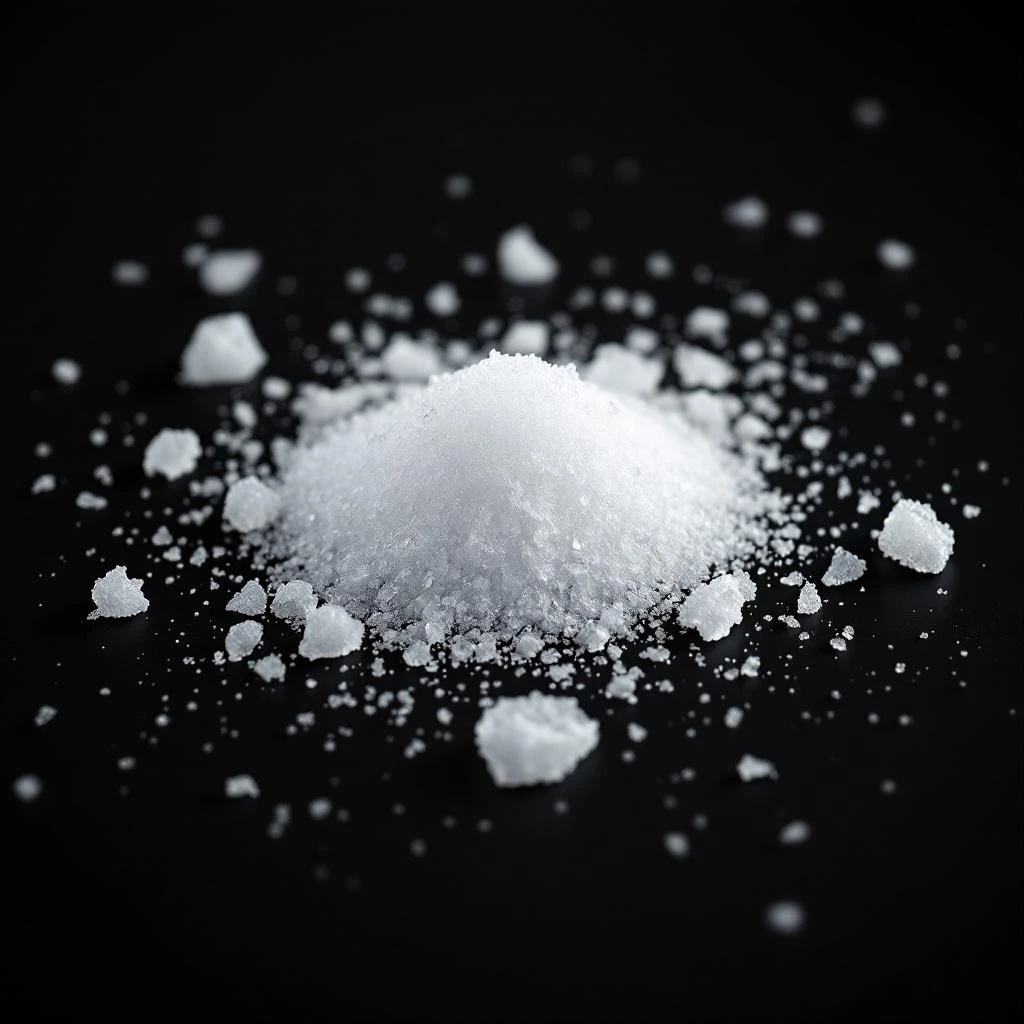
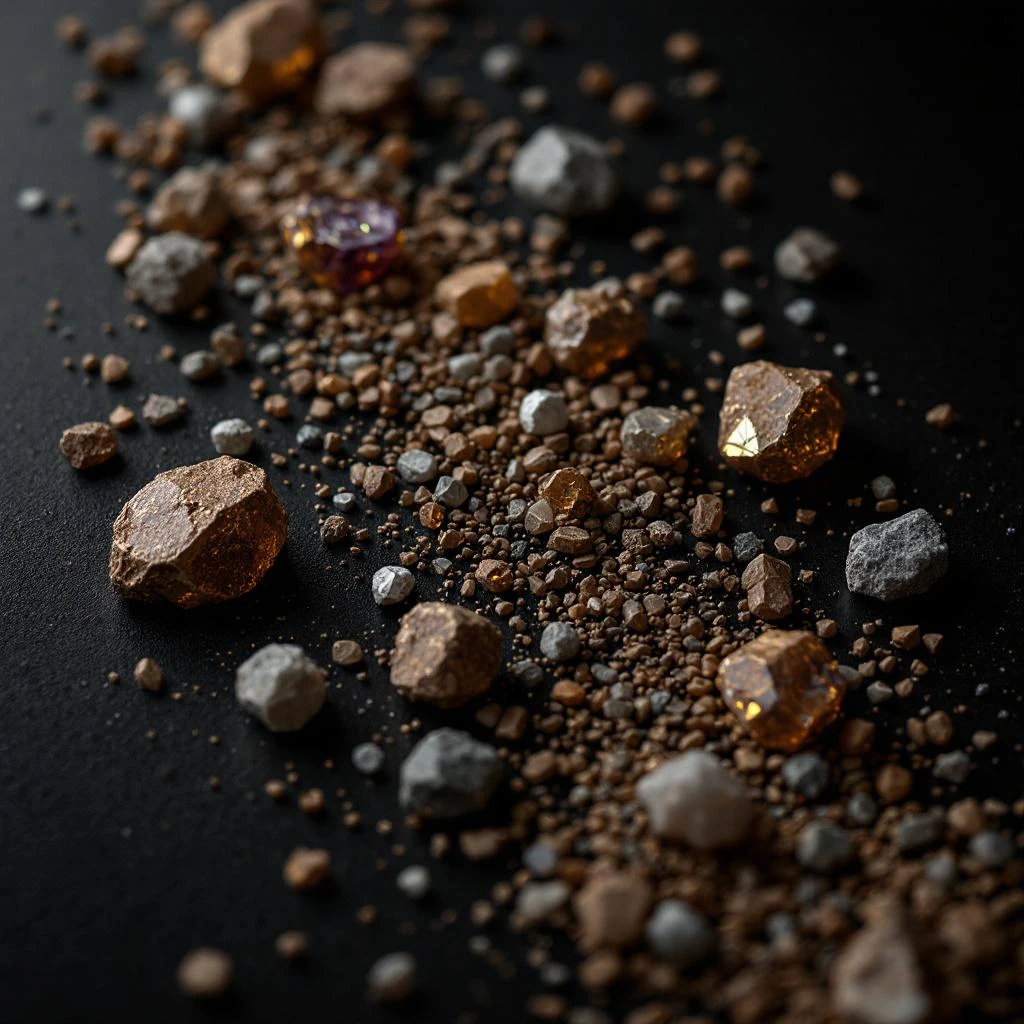
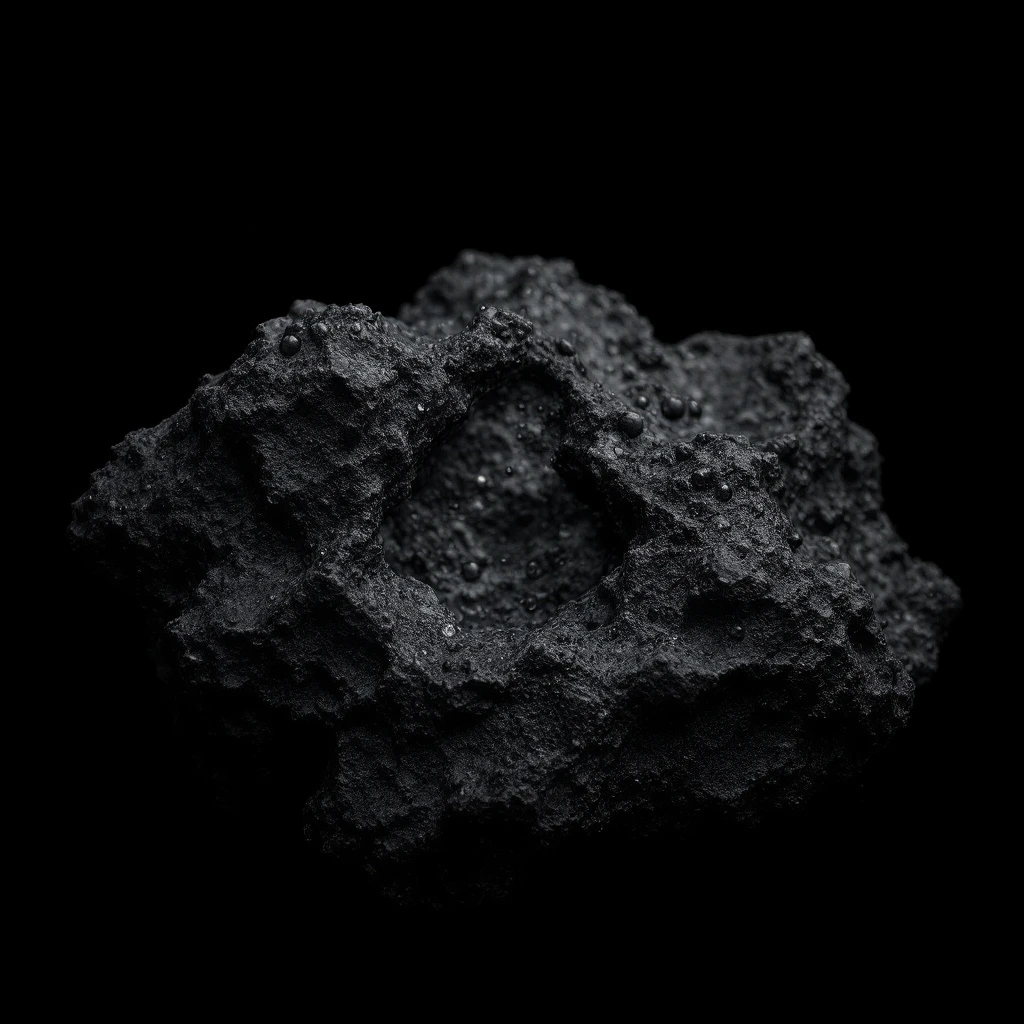
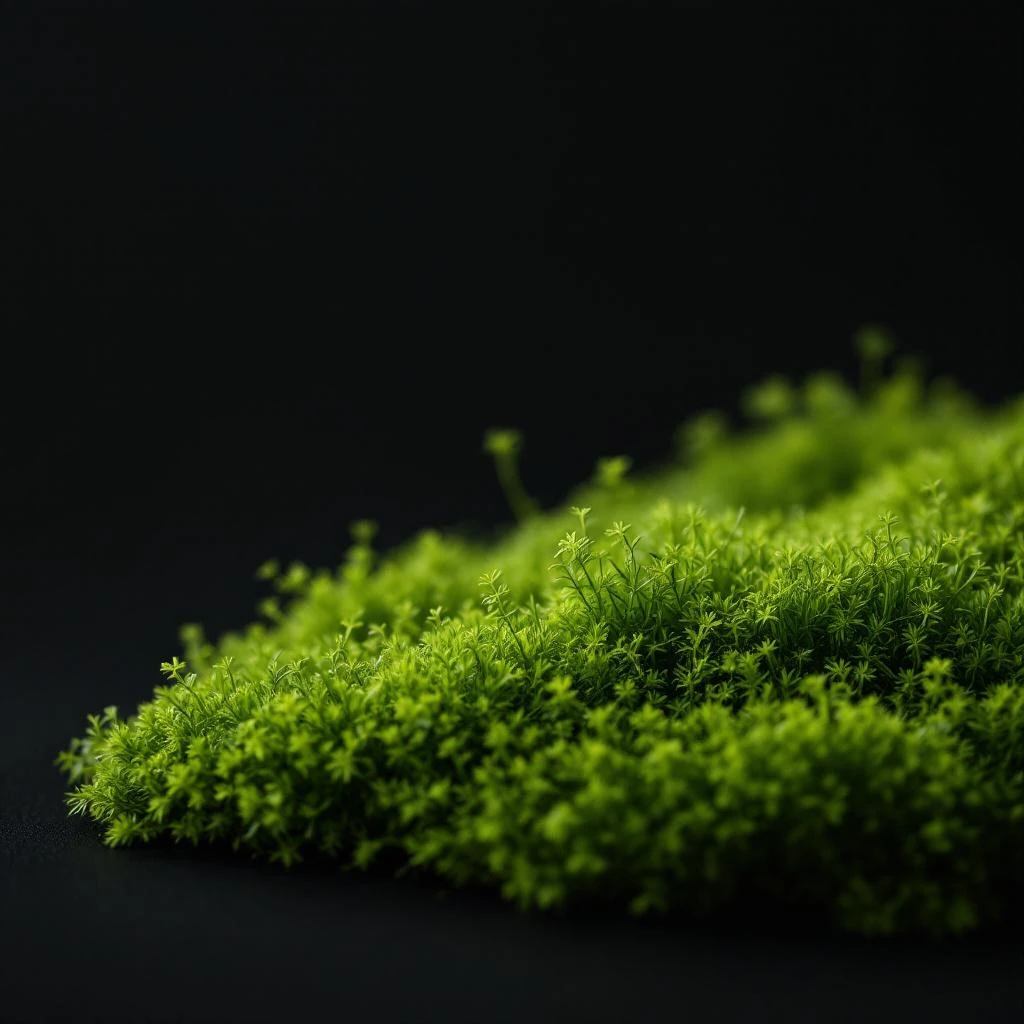
Damp Stone captures the primal scent of rain meeting ancient rock: mineral-rich, slightly mossy, with an earthy depth that feels both grounding and elusive. This atmospheric note brings the smell of petrichor into the bottle.
Character
How it smells
Rain on ancient rock, bottled.
The exact smell of damp stone comes from geosmin, a compound produced by soil bacteria that humans can detect at just 0.0000001% concentration.




Origin
France
The human attraction to petrichor is ancient and cross-cultural. Before perfumery existed, ancient peoples recognized the spiritual significance of sacred springs and rain-soaked temple stones. Indigenous Australian ceremonies called it 'the smell of the Dreamtime.'
Greek temples were built near natural springs precisely because the mineral-rich air was considered sacred. Modern perfumery only learned to recreate this effect in the 1960s, when the compound geosmin was first isolated and synthetically reproduced, allowing perfumers to bottle something humans had valued for millennia.
Wears it best
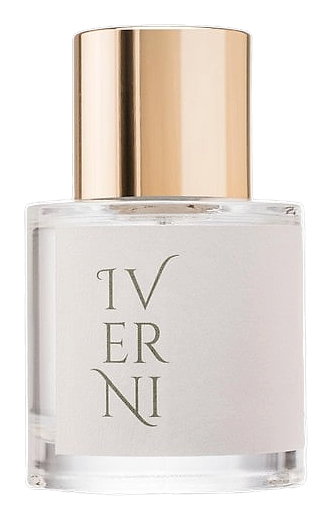
Fragrances featuring Damp Stone
Brands
Brands known for Damp Stone
Good to know
Questions, answered
The essentials on Damp Stone in perfumery: how it smells, where it comes from, and how it behaves on skin.
What is Damp Stone in perfumery?
Damp Stone is a modern perfumery accord that recreates the scent of wet rock and petrichor. Perfumers construct it from earthy naturals like oakmoss and vetiver, combined with synthetics like Calone that capture the clean, mineral quality of rain hitting stone.
Is Damp Stone a natural or synthetic ingredient?
Damp Stone is a hybrid. The accord combines natural aromatic materials with synthetic aromachemicals. No single plant or extraction method produces a true damp stone scent, so perfumers must layer multiple materials to achieve the effect.
What creates the smell of petrichor?
Petrichor's signature scent comes from geosmin, a compound released when rain hits dry soil. A bacteria called Streptomyces produces geosmin, and humans can detect it at extremely low concentrations. In perfumery, synthetics like Timberol replicate this effect.
What fragrance families use Damp Stone notes?
Damp Stone appears most often in atmospheric and nature-inspired fragrances. Chypres, fougeres, and modern ozonic scents use it to add mineral depth. It grounds lighter aquatic notes and gives orientals an earthy, realistic quality.
When was Damp Stone first used in perfume?
The Damp Stone accord became possible after geosmin was isolated in the 1960s. Early examples appeared in 1972 with Givenchy's Ysatis, which featured an earthy, rain-soaked quality that was groundbreaking for its time.
How does Damp Stone perform in fragrance blends?
Damp Stone works as a base note and fixative. It adds staying power to lighter top notes and provides an atmospheric depth that makes florals and citrus feel more grounded and naturalistic rather than abstract.
Does Damp Stone smell different in various climates?
In nature, the mineral composition of stone determines its wet scent. Limestone produces a different smell than granite. In perfumery, variations in the accord can replicate these differences, from chalky, pale stone to dark, iron-rich rock.
Can I find natural Damp Stone fragrance?
Natural-only Damp Stone accords are nearly impossible. The mineral-rain effect relies on synthetic aromachemicals like Timberol and Calone that have no natural equivalent. Look for fragrances that list oakmoss, vetiver, or geosmin-like synthetics.