White Frangipani
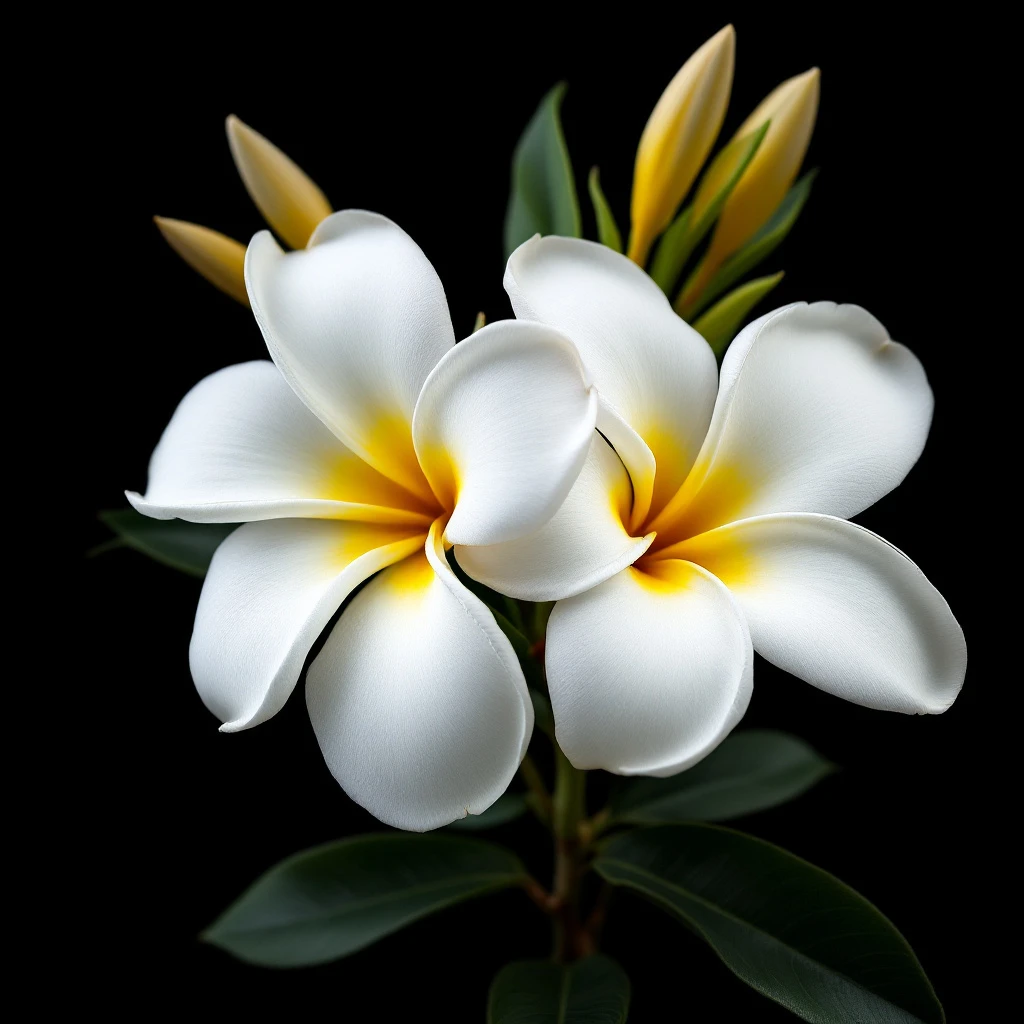
White Frangipani offers a lush, tropical sweetness with sun-warmed apricot and a creamy, enveloping softness. Discover the story behind this famously elusive flower note that perfumers masterfully recreate rather than extract.
Character
How it smells
Tropical sweetness captured, never extracted.
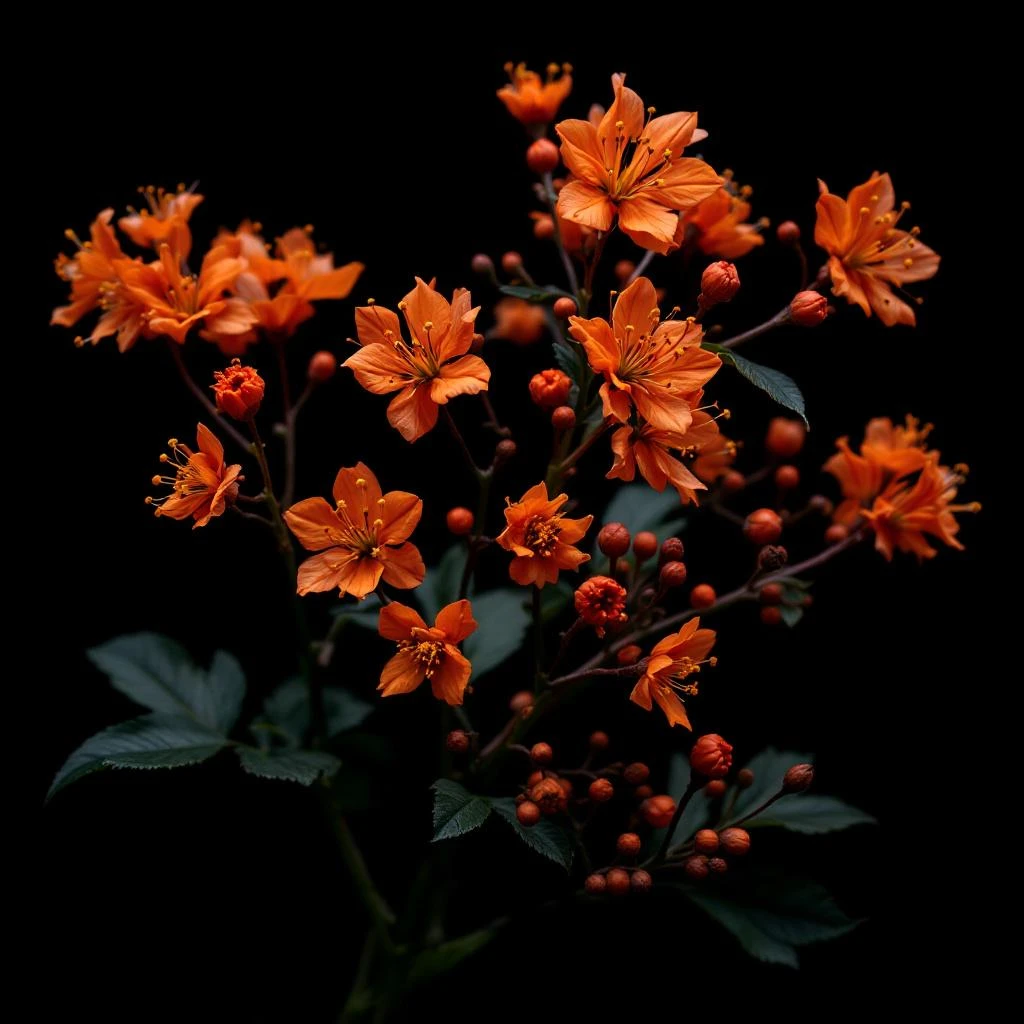
The Frangipani flower is so delicate that no extraction method yields its scent, forcing perfumers to rebuild it molecule by molecule.





Origin
Mexico
The name Frangipani traces to an Italian nobleman, though the flower itself is native to the tropical Americas. French botanists made the connection between the flower and the historical fragrance known as 'frangipane,' an almond-based perfume popular among European aristocracy in the 16th and 17th centuries. Nobles wore gloves scented with frangipane, and when French botanists encountered Plumeria in the Caribbean, they recognized the similarity in scent.
The flower became associated with paradise gardens across the Caribbean and Pacific islands, earning its place in Hawaiian lei-making and tropical landscapes. It arrived in France and the broader European fragrance world as a story and a sensation before becoming a named note in modern perfumery, representing the eternal perfumer's challenge: capturing something that refuses to be captured.
Wears it best
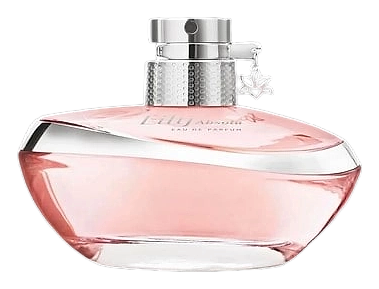
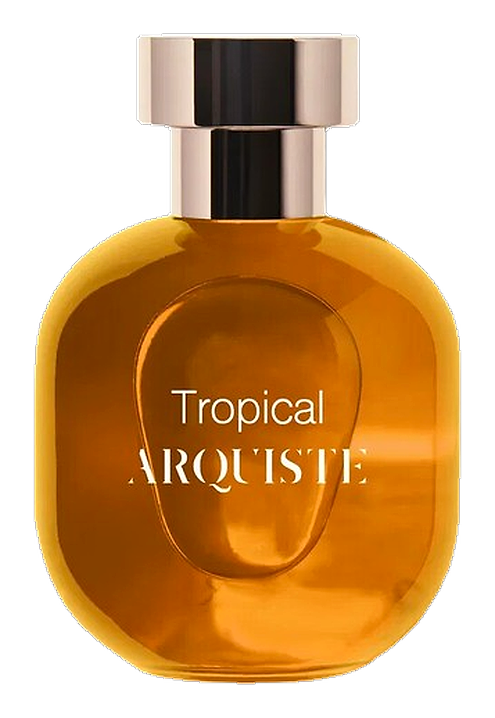
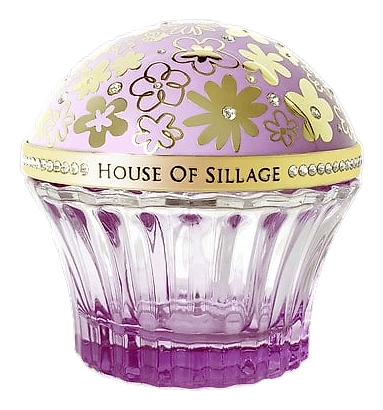
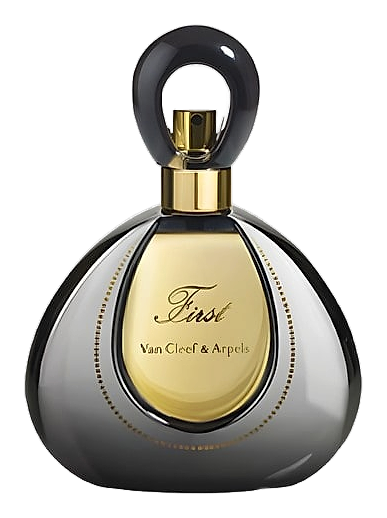
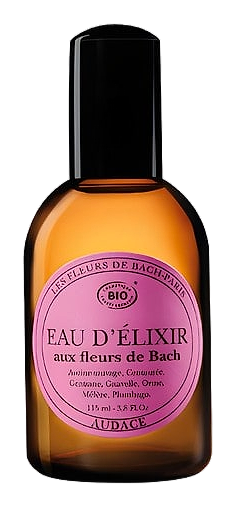
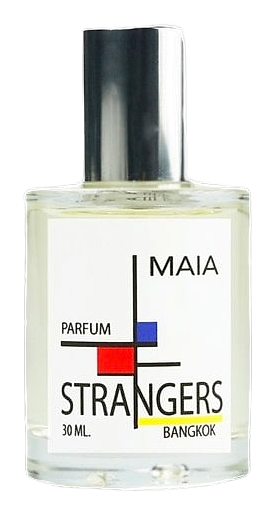
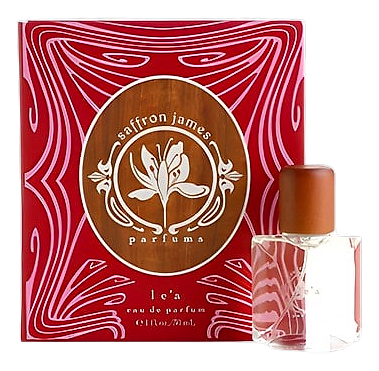
Fragrances featuring White Frangipani
Brands
Brands known for White Frangipani
Good to know
Questions, answered
The essentials on White Frangipani in perfumery: how it smells, where it comes from, and how it behaves on skin.
Can White Frangipani be extracted naturally for perfume?
No. The Frangipani flower yields no usable aromatic extract through any known extraction method. Perfumers create the scent synthetically.
What does White Frangipani smell like?
White Frangipani smells like sun-warmed apricot with creamy, tropical undertones and a subtle coconut-like sweetness balanced by a clean, gardenia-like freshness.
Why is White Frangipani so popular in summer fragrances?
The note delivers what perfumers call 'solar' energy. Its lush sweetness feels light and warm, matching the mood of sunlit seasons without heaviness.
What molecules create the Frangipani scent?
Perfumers combine fruity lactones, floral absolutes like gardenia, and sweet modifiers to build the apricot-cream profile characteristic of Frangipani.
Where does the Frangipani plant grow?
Plumeria thrives in tropical climates across Mexico, Hawaii, Central America, and the Caribbean, where warm temperatures and full sun produce the most aromatic blooms.
What is the origin of the name 'Frangipani'?
The name comes from the Italian Frangipani noble family. Their almond-based perfume, popular on scented gloves in 16th-century Europe, earned the botanical name.
Does synthetic Frangipani smell artificial?
Modern synthetic reconstruction produces a scent nearly identical to the natural flower, which itself is too delicate to extract anyway.
Which fragrance families use White Frangipani?
White Frangipani appears in tropical, floral, and solar fragrance families. It pairs well with coconut, gardenia, ylang-ylang, and light musks.



