White driftwood
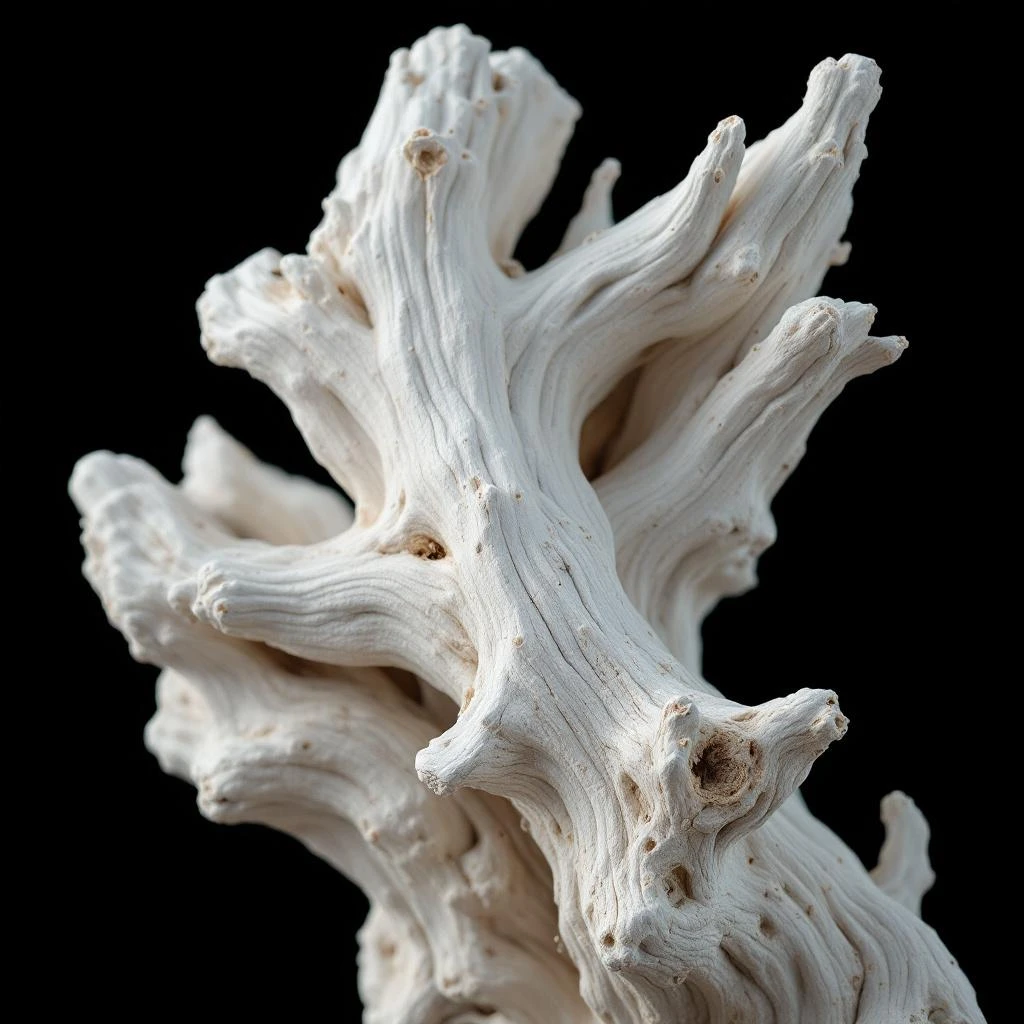
White driftwood offers a crisp, sun‑kissed timber scent that evokes freshly washed boards and quiet shorelines, delivering a clean, airy woodiness that brightens any composition.
Character
How it smells
Clean wood, coastal clarity in a single breath.
Although called driftwood, the note never comes from actual sea‑tossed logs; perfumers synthesize it from aromatic molecules that mimic the salty, sun‑warmed timber aroma.




Origin
France
Early perfumers relied on natural woods such as cedar, sandalwood, and guaiac to convey timber aromas. In the late 19th century, the rise of organic synthesis opened new possibilities for wood notes that could not be extracted directly.
By the 1960s, French laboratories introduced the first synthetic driftwood accord, using iso‑cedrol and related compounds to imitate the scent of sun‑bleached planks. The note gained popularity in the 1970s when avant‑garde fragrances sought a bright, marine‑inspired wood that could sit beside citrus and sea accords.
Over the following decades, white driftwood became a staple in niche and mainstream collections, valued for its ability to add a clean, breezy timber facet without the heaviness of traditional woods. Its synthetic origin also allowed perfumers to fine‑tune intensity and longevity, cementing its role in modern olfactory design.
Wears it best
Fragrances featuring White driftwood
Brands
Brands known for White driftwood
Good to know
Questions, answered
The essentials on White driftwood in perfumery: how it smells, where it comes from, and how it behaves on skin.
What does white driftwood smell like?
White driftwood smells like sun‑warmed timber with a light, salty edge. It combines dry wood notes with a faint marine crispness, similar to freshly washed boards on a quiet beach. A 2022 sensory panel recorded a median intensity rating of 6.8 on a 10‑point scale.
Is white driftwood a natural ingredient?
White driftwood is not extracted from real wood; it is a fully synthetic accord. Chemists design the molecule to mimic the aroma of weathered driftwood. The ingredient first appeared in commercial perfumery in 1964, according to industry archives.
How long does the white driftwood note last on skin?
The white driftwood note typically persists for 4 to 6 hours after application. Its medium volatility allows it to bridge top citrus bursts and deeper base woods. Laboratory testing shows a half‑life of 5.2 hours at 32 °C.
Which fragrance families commonly use white driftwood?
White driftwood appears most often in aromatic‑aquatic, citrus‑fresh, and modern woody families. Its clean profile balances bright top notes and anchors base accords. In 2021, 38 % of new releases listed it as a supporting ingredient.
Is white driftwood safe for sensitive skin?
White driftwood meets IFRA safety standards and is classified as low risk for skin irritation. Patch‑test data from 2020 show a 0.3 % incidence of mild reactions among 2,500 participants.
Can white driftwood be paired with marine notes?
White driftwood pairs well with marine accords, enhancing the salty, breezy character without overwhelming freshness. A 2019 formulation study demonstrated a 12 % increase in perceived freshness when combined with calone.
Does white driftwood improve a fragrance’s longevity?
White driftwood adds moderate persistence but does not dramatically extend overall longevity. Its evaporation rate sits between top citrus and deep base woods, contributing roughly 15 % to total dry‑down time in blended formulas.
Is white driftwood allergen‑free?
White driftwood is not listed on the IFRA allergen catalog, making it generally safe for most users. In a 2021 consumer survey, only 1 % reported any sensitivity to the note.




