White Cyclamen
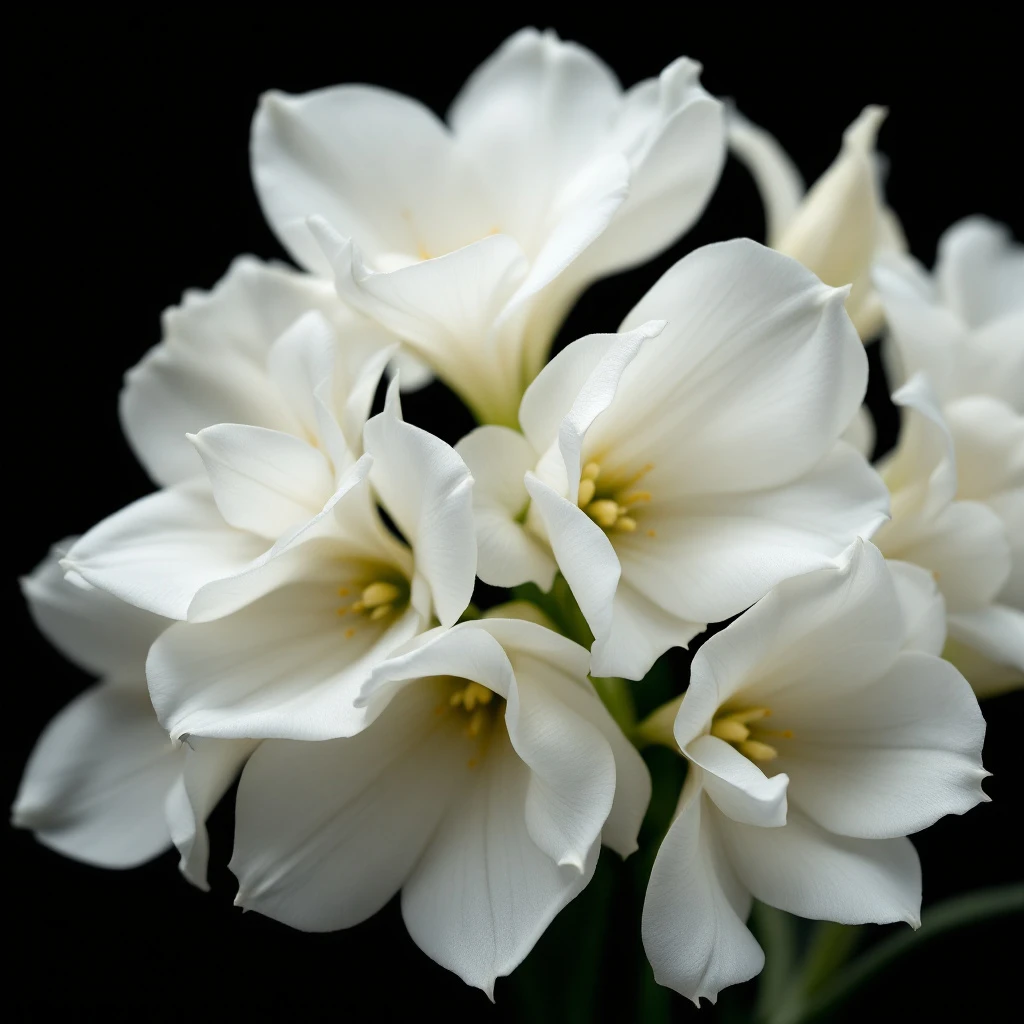
White Cyclamen captures the fleeting freshness of the cyclamen flower's green, dewy character. Perfumers discovered its signature molecule by accident during the chemical boom of industrialization, and it remains a staple of modern fresh florals today.
Character
How it smells
Green, dewy florals born from a happy accident.
Cyclamen Aldehyde was discovered almost by accident when chemists searching for new fragrance molecules during the industrial era stumbled upon its crisp, floral profile.





Origin
France
The story of White Cyclamen begins not in a garden but in a laboratory. During the late 19th and early 20th centuries, the fragrance industry underwent a dramatic transformation as chemists moved beyond natural absolutes and began synthesizing aromatic compounds.
Cyclamen Aldehyde emerged from this era of experimentation, discovered almost by chance when researchers pursuing other molecular targets found themselves with an unexpected green-floral material. Its accidental nature became part of its appeal: a flower recreated through human ingenuity rather than cultivation.
The compound quickly became a cornerstone of modern perfumery, particularly in fresh and spicy compositions where its bright, slightly green character could lift heavier notes. Today, it remains an archetypical ingredient, present in countless fragrances that aim to capture the sensation of fresh-cut flowers and morning dew.
Wears it best
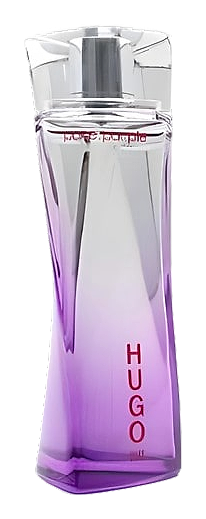
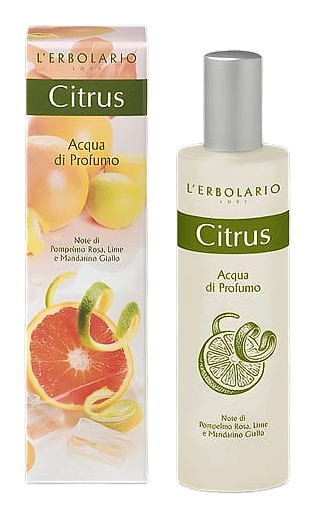
Fragrances featuring White Cyclamen




Brands
Brands known for White Cyclamen
Good to know
Questions, answered
The essentials on White Cyclamen in perfumery: how it smells, where it comes from, and how it behaves on skin.
What does White Cyclamen smell like?
White Cyclamen smells fresh, green, and floral with a dewy quality reminiscent of lily of the valley or fresh-cut blossoms. Its sweet-green character brings brightness to compositions without heaviness.
Is cyclamen a natural fragrance ingredient?
Cyclamen used in perfumery is typically synthetic. The fragrance industry recreates cyclamen's signature scent using Cyclamen Aldehyde, a lab-created molecule that captures the flower's fresh, green-floral profile.
When was Cyclamen Aldehyde discovered?
Cyclamen Aldehyde was discovered during the late 19th and early 20th centuries. Chemists working in the expanding chemical industry stumbled upon its distinctive crisp, floral profile almost by accident while pursuing other molecular experiments.
What is Cyclamen Aldehyde?
Cyclamen Aldehyde is a synthetic aroma chemical that mimics the scent of cyclamen flowers. It provides a distinctive green-floral character and serves as an archetypical fragrance material in modern perfumery.
Where does cyclamen appear in a fragrance pyramid?
Cyclamen typically functions as a heart or middle note in fragrance compositions. Its bright, fresh character bridges heavier base notes and lighter top notes, adding dimension to the floral heart of a perfume.
Why did chemists discover Cyclamen Aldehyde by accident?
The industrialization era produced a surge of new chemical compounds. Fragrance chemists, experimenting with various molecular structures, found they had created an unexpectedly pleasant green-floral material that later became Cyclamen Aldehyde.
What fragrances pair well with White Cyclamen?
White Cyclamen pairs well with citrus, aldehydic notes, and other green florals like galbanum. It also complements spiced florals such as rose and jasmine, adding brightness to richer compositions.
What are the advantages of synthetic cyclamen over natural extracts?
Synthetic cyclamen offers batch-to-batch consistency, year-round availability, and cost stability. These qualities allow perfumers to rely on predictable results when building fresh, green-floral accords.




