White Cardamom
White cardamom carries a delicate, citrusy-spice character that sets it apart from its green counterpart. Discover the origins, extraction methods, and aromatic power this ancient spice brings to fine perfumery.
Character
How it smells
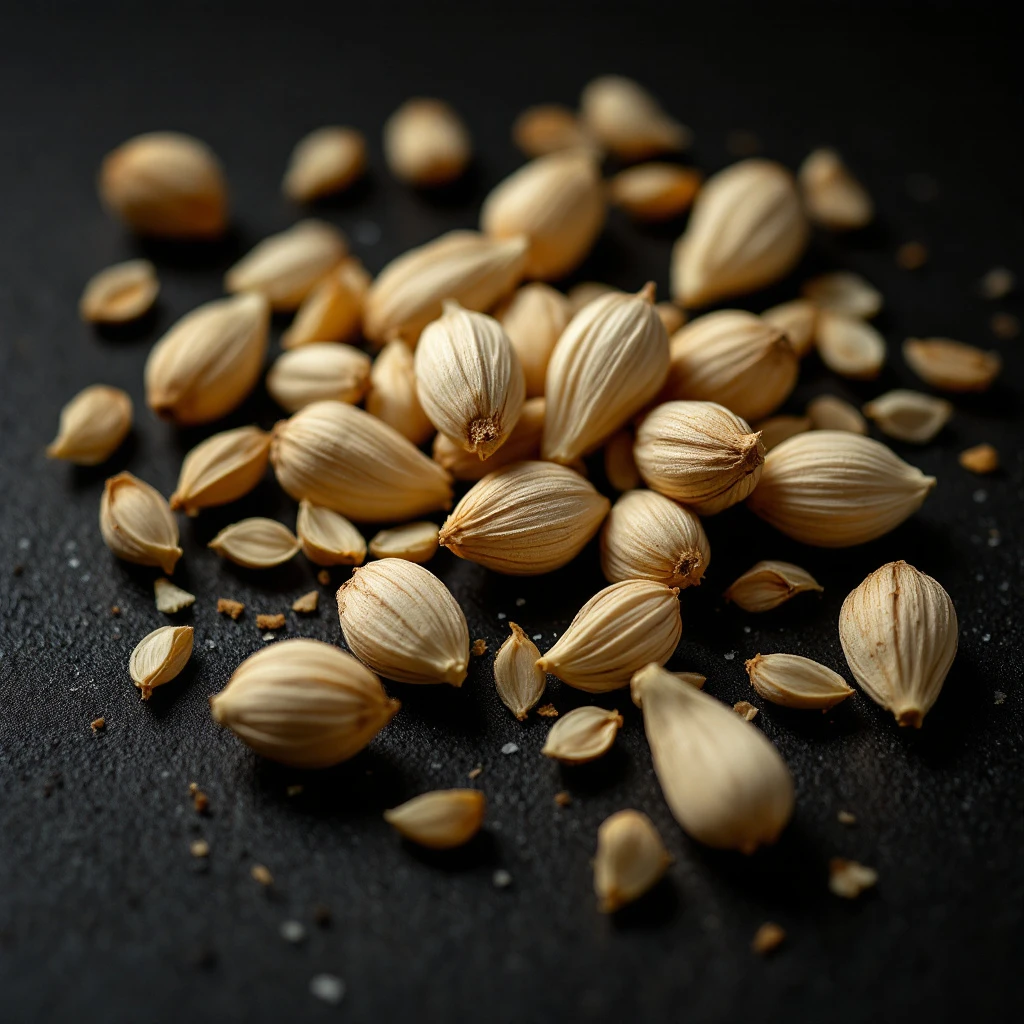
Ancient spice. Warm, complex, subtly sweet.
Arab spice merchants historically kept white cardamom's exact origin secret, spreading false rumors to protect their monopoly over the trade.





Origin
India
White cardamom originated in the misty highlands of Kerala and Karnataka in South India, where it has been cultivated for over 4,000 years. Ancient Ayurvedic texts dating to 500 BCE document cardamom as a treatment for digestive and respiratory ailments. It quickly became one of the most sought-after spices along ancient trade routes, moving eastward to China and westward through Arabia to the Mediterranean.
Greeks and Romans prized it as a luxury commodity. Arab traders kept its precise origins closely guarded for centuries, spreading deliberately false rumors about its source to maintain commercial dominance over the Venice-controlled spice trade.
Wears it best
Fragrances featuring White Cardamom


Good to know
Questions, answered
The essentials on White Cardamom in perfumery: how it smells, where it comes from, and how it behaves on skin.
What is white cardamom in perfumery?
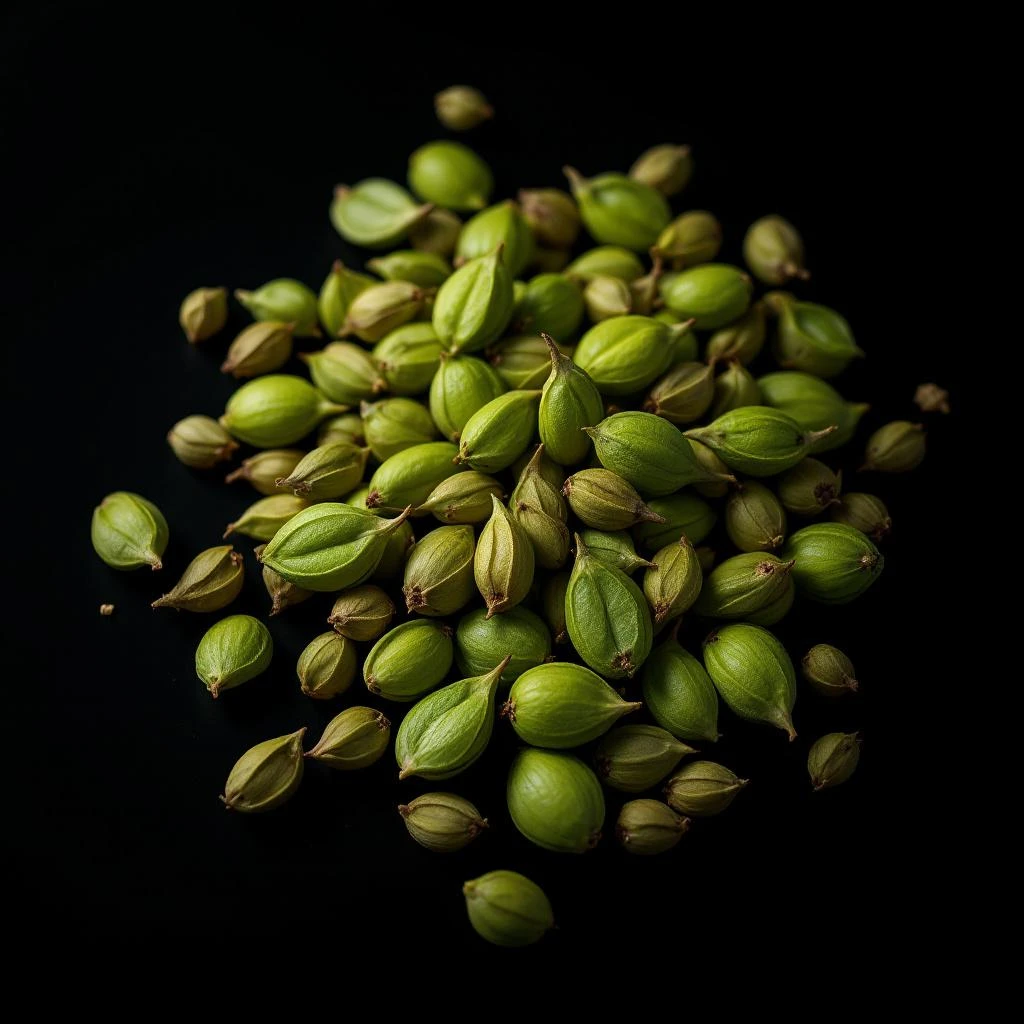
White cardamom is derived from the seeds of Elettaria cardamomum plants whose pods have been bleached with sulfur dioxide. This process mutes the intensity found in green cardamom, producing a cleaner, more delicate spice note prized in fine fragrance.
How does white cardamom differ from green cardamom?
Bleaching gives white cardamom a milder, less sharply camphoraceous profile. Green cardamom reads as more medicinal and eucalyptine; white cardamom leans sweeter and more floral-spicy. Most perfumers select based on the specific tonal direction they need.
What does white cardamom smell like?
The aroma combines fresh citrus and cool eucalyptus top notes with a warm, sweet-spicy body and a subtle woody drydown. Its complexity makes it function as both a bright opener and a bridging element in a composition.
Where does white cardamom come from?
The plant grows naturally in the Western Ghats mountain range of South India, primarily in Kerala and Karnataka. Guatemala is now the world's largest producer by volume, though Indian-grown stock remains the preferred source for perfumery applications.
How do perfumers use white cardamom?
White cardamom typically serves as a top or heart note, adding spicy warmth that bridges citrus and floral elements. In men's fragrances, oriental bases, and aromatic compositions, formulations use 0.5-2% to introduce an aromatic lift that balances the entire blend.
What extraction method produces cardamom essential oil?
Steam distillation of the seeds yields 3-8% essential oil by weight. Key aroma constituents include 1,8-cineole (30-40%), alpha-terpinyl acetate (25-35%), and linalool. Supercritical CO2 extraction is an alternative that captures the full spice character more completely.
Why is cardamom historically significant?
Cardamom appears in Sanskrit texts from 500 BCE and was among the first spices traded along Silk Road routes. It commanded prices rivaling gold in ancient Greece and Rome. The strategic value of cardamom helped shape early global trade networks across South Asia.
Does terroir affect white cardamom's scent?
Absolutely. Soil composition, altitude (600-1,500 meters), and seasonal rainfall all influence the seed's essential oil composition. Indian-grown cardamom from high-altitude plantations consistently yields a more complex aromatic profile than mass-cultivated alternatives from other regions.