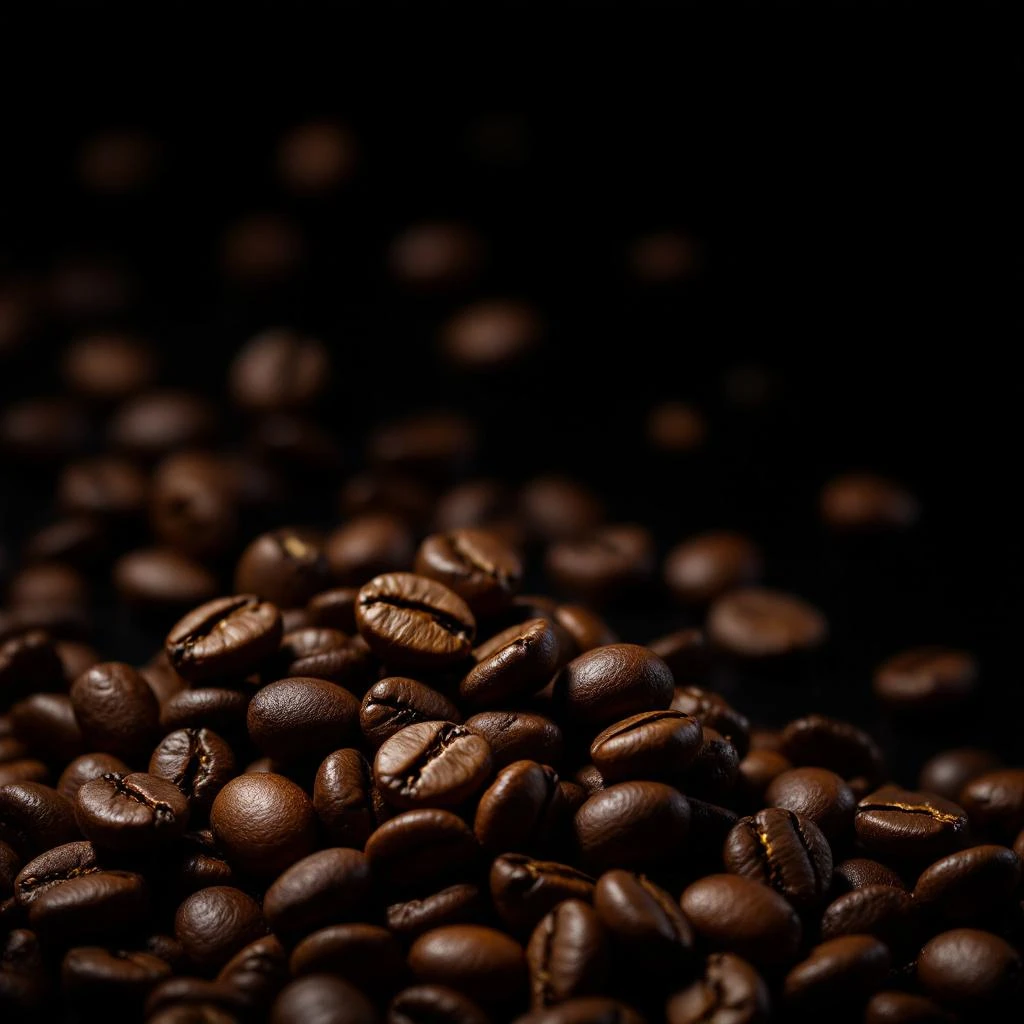
White Cacao
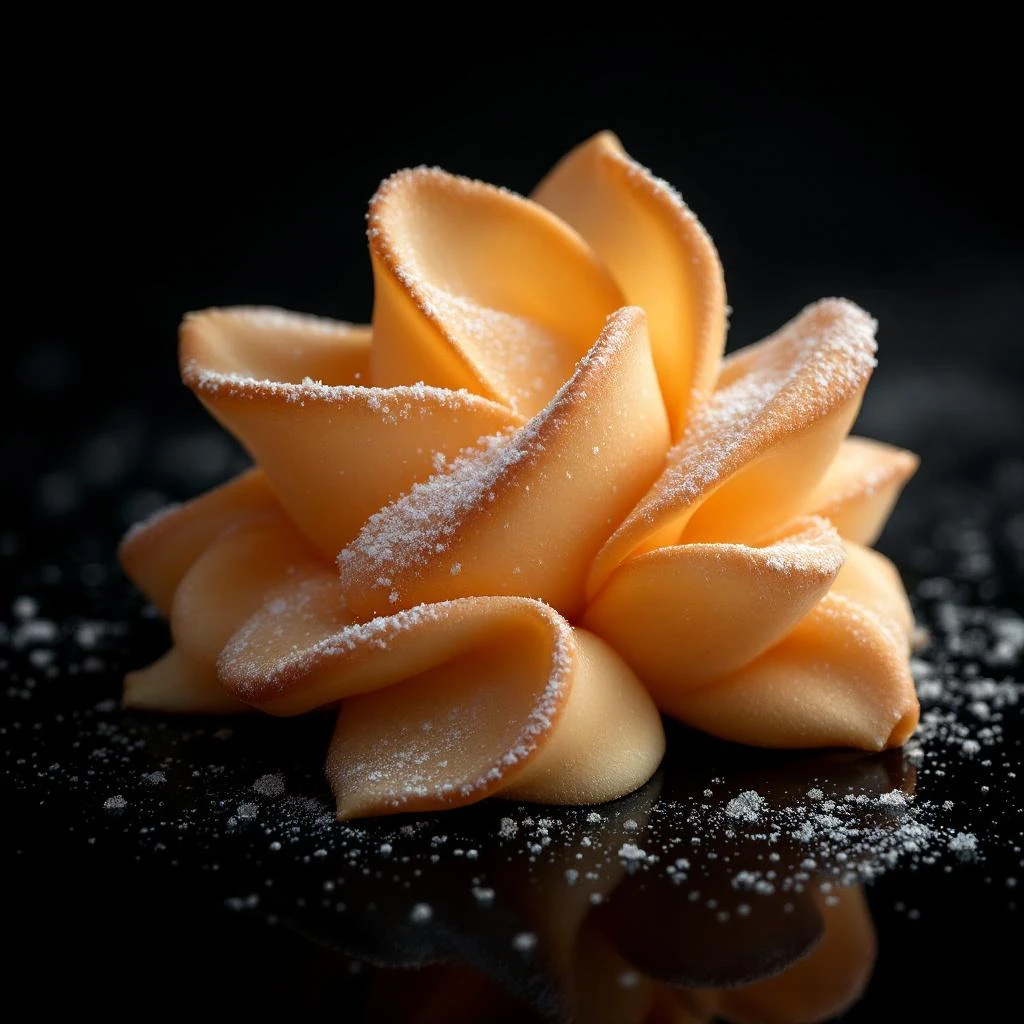
The sweet, creamy sibling of dark chocolate. White cacao brings dairy-like warmth and vanilla softness to perfumery—a confectionery note that comforts without bitterness.
Character
How it smells
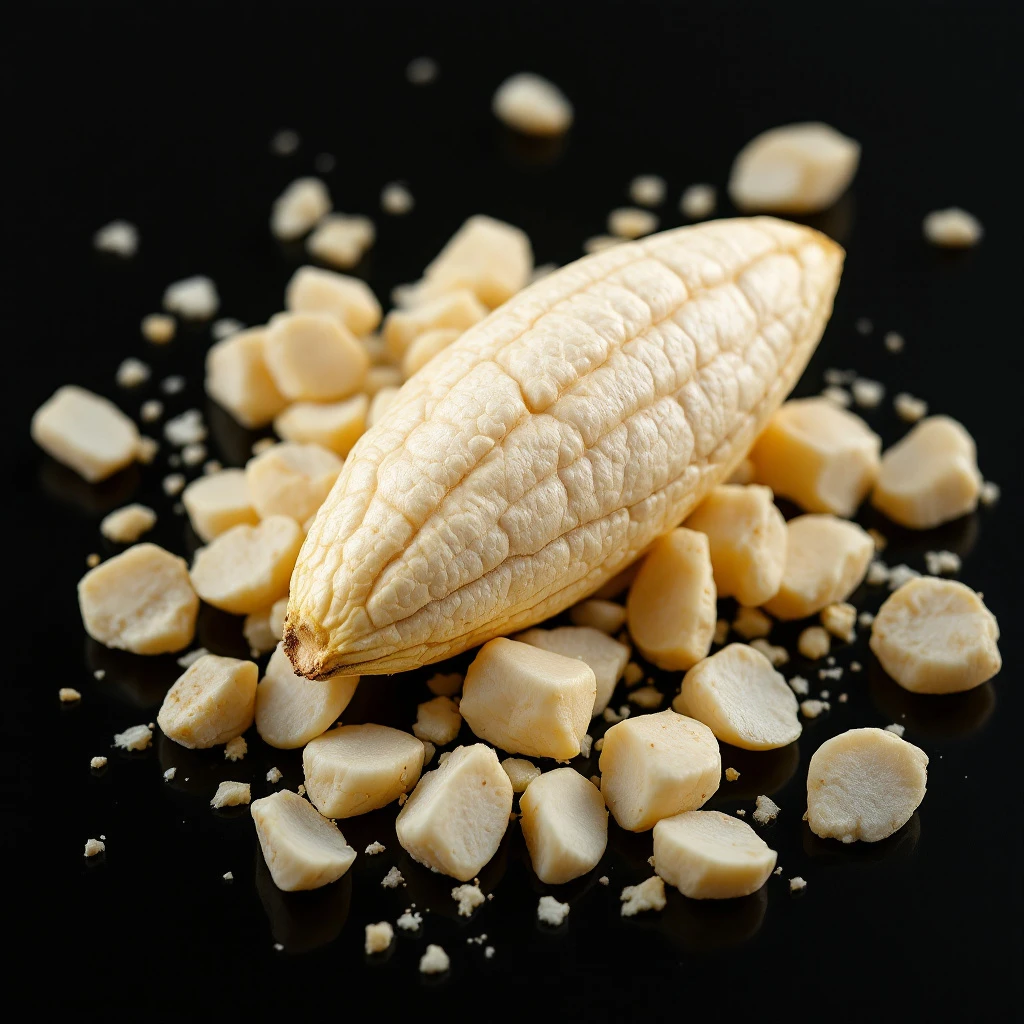
Cocoa butter meets vanilla cream in liquid form.
White chocolate contains zero cocoa solids. It is cocoa butter, sugar, and milk—no actual chocolate in the ingredient sense.




Origin
Ghana
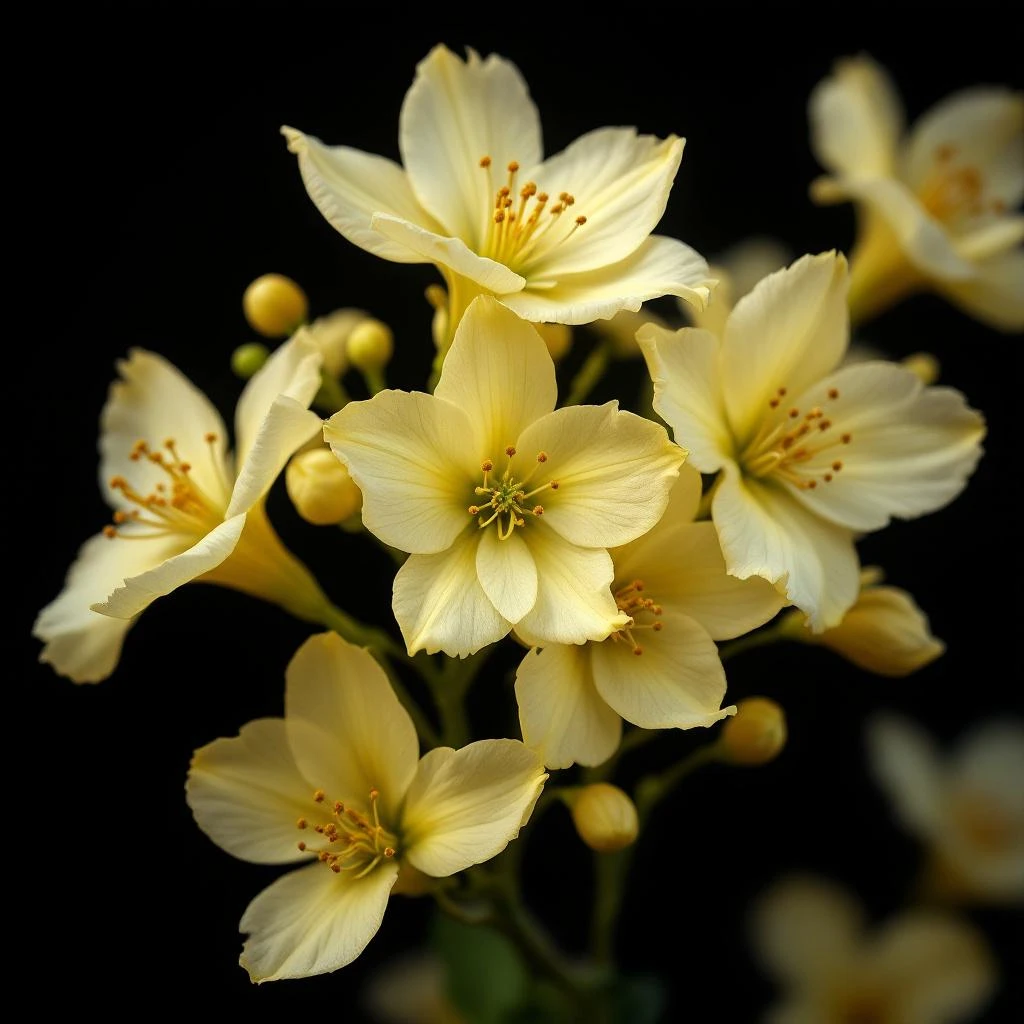
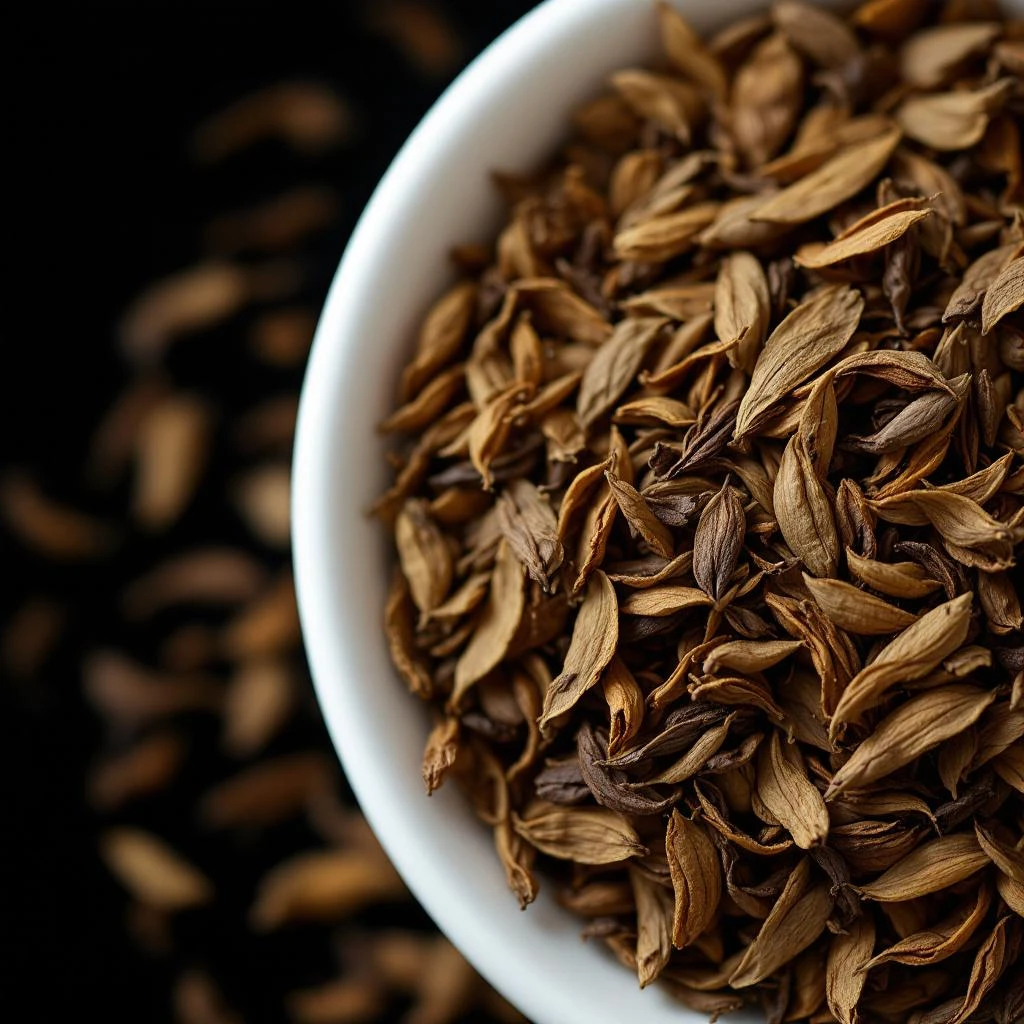
Cacao originated with the Maya and Aztec civilizations of Mesoamerica, where it was prepared as a bitter ceremonial beverage mixed with spices and sometimes maize. Spanish conquistadors brought cacao to Europe in the 16th century, where it was sweetened to suit European palates, eventually spawning milk chocolate and, centuries later, white chocolate.
Belgian and Swiss chocolatiers refined white chocolate into a mainstream confection by the mid-20th century. Perfumers adopted the cocoa note in the 1990s gourmand wave, though white cacao arrived as a distinct aromatic idea—prioritizing sweetness and creaminess over the roasted depth of dark chocolate.
Wears it best
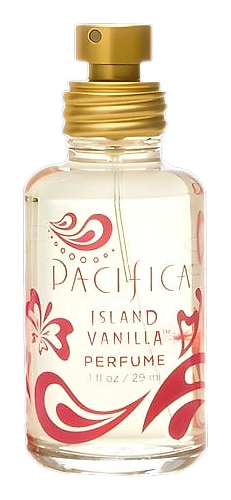
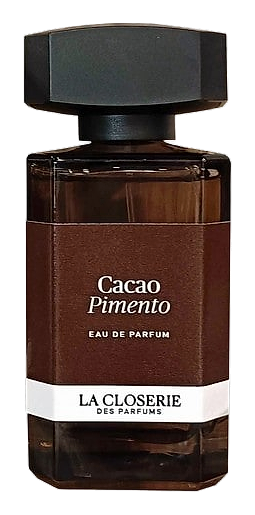
Fragrances featuring White Cacao
Brands
Brands known for White Cacao
Good to know
Questions, answered
The essentials on White Cacao in perfumery: how it smells, where it comes from, and how it behaves on skin.
What does white cacao smell like in a fragrance?
White cacao smells like sweet, dairy cream softened by vanilla. It carries none of dark chocolate's bitterness or roasted intensity. The result is plush, confectionery, and comforting on skin.
Is white cacao a natural or synthetic ingredient?
White cacao is typically a constructed note. It may combine natural cocoa butter and vanilla absolute with synthetic aromachemicals. Fully synthetic white cacao accords also exist and perform reliably.
How is white cacao different from dark cacao in perfumery?
Dark cacao absolute retains roasted, bitter pyrazines from fermented cocoa beans. White cacao strips those out entirely, leaving only the fatty, sweet cream character. The two notes feel unrelated in a fragrance.
What fragrance families pair well with white cacao?
White cacao belongs to the gourmand family but extends into oriental and even fresh compositions. Vanilla, tonka bean, marshmallow, and lactonic notes amplify its sweet character. Florals soften it.
Does white cacao work as a top, heart, or base note?
White cacao usually appears in the heart and base of a fragrance. Its molecular weight is moderate to heavy, giving it better longevity than citrus or herbal top notes. As a base, it anchors and softens sharper accords.
How long does white cacao last on skin?
As a base-note material, white cacao typically lasts four to eight hours on skin. Longevity depends on concentration, formulation, and the wearer's skin chemistry. Heavier accords extend the duration.
What ingredients complement white cacao in a blend?
Tonka bean pairs naturally with white cacao, sharing a sweet, coumarin-like warmth. Vanilla absolute, benzoin, and lactones such as γ-decalactone create a rich, edible palette. Amber materials round the edges.
How should white cacao materials be stored?
Keep cacao absolute and cocoa butter in a cool, dark, airtight container. Heat and oxygen accelerate oxidation. Properly stored, cocoa butter remains stable for up to three years; absolute for two years.