Warm Vanilla
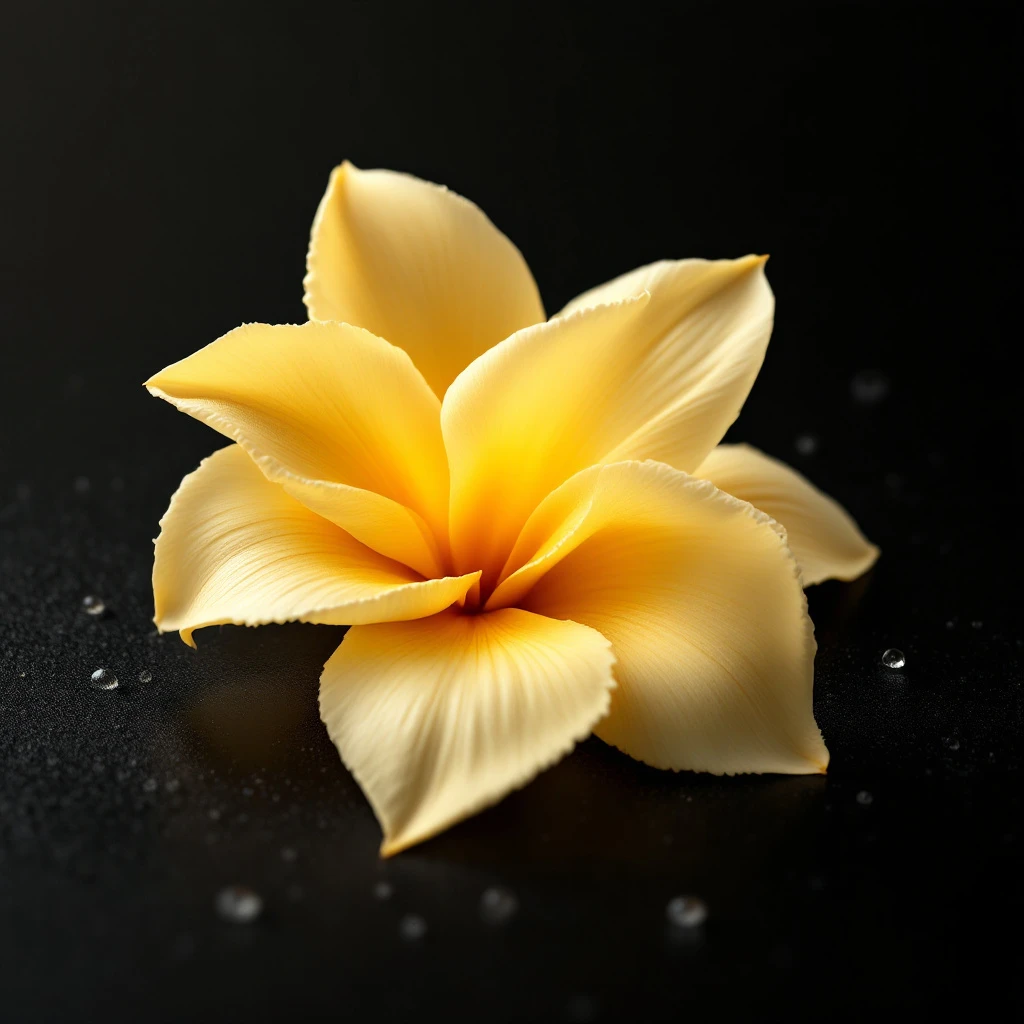
Few ingredients match vanilla's power to comfort. Derived from the cured pods of Vanilla planifolia, this note wraps skin in creamy, honeyed warmth that feels both intimate and timeless.
Character
How it smells
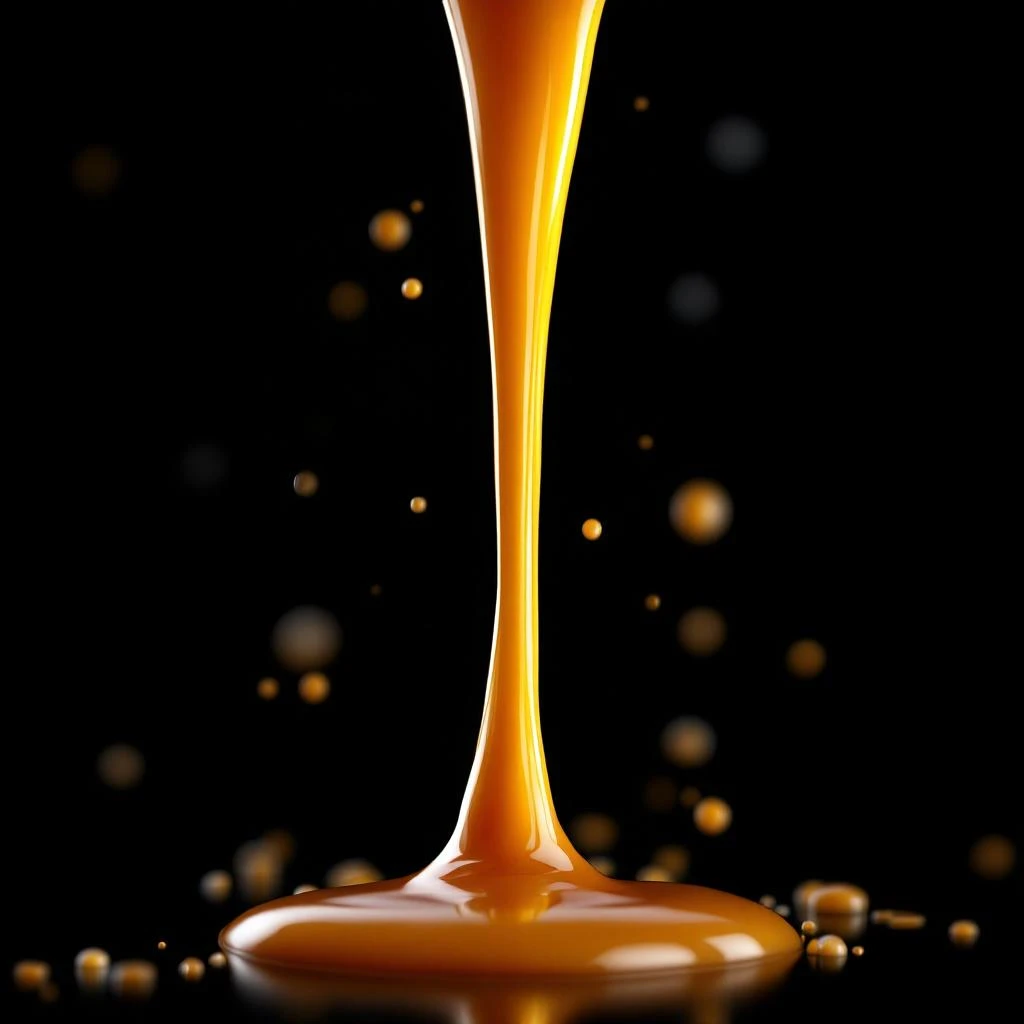
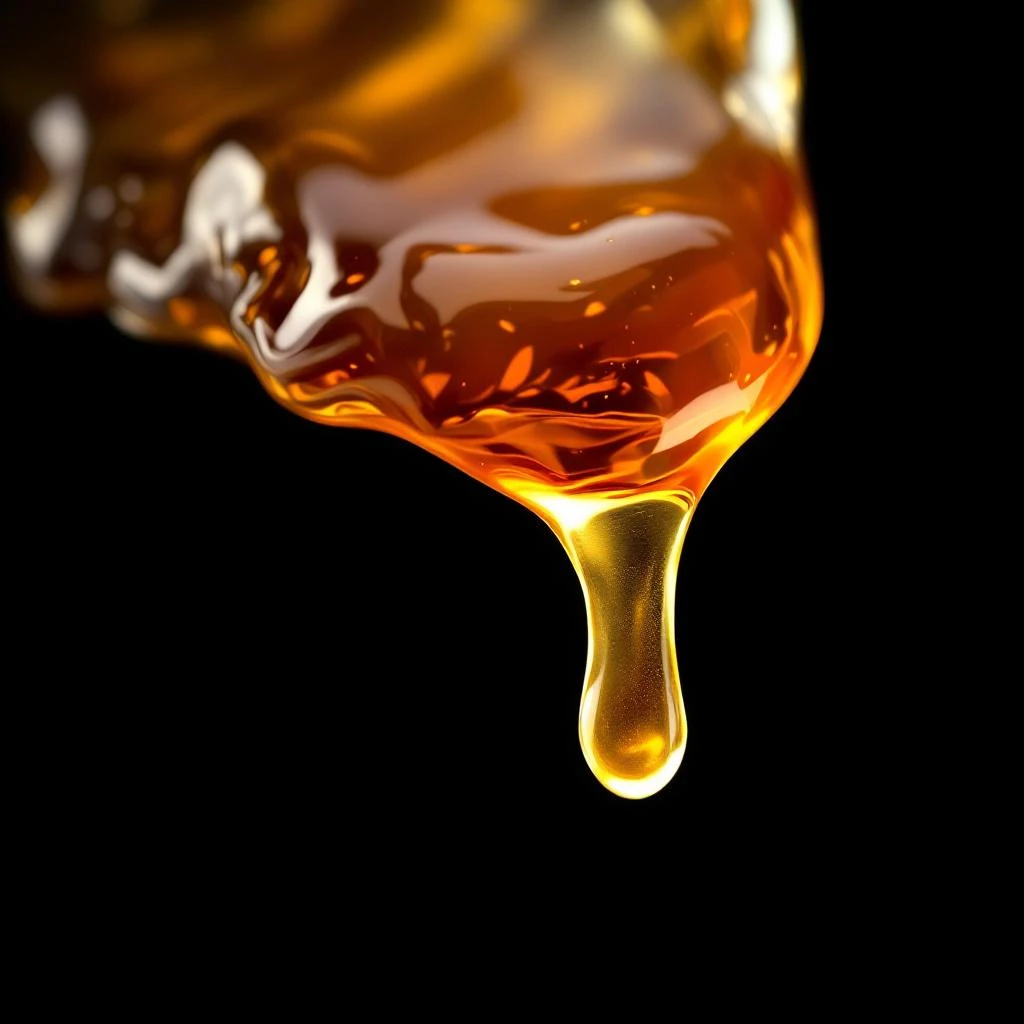
The scent of comfort. Creamy, sweet, and endlessly warm.
The vanilla orchid relies on one specific bee species for natural pollination. Without it, vanilla cannot develop pods.

Origin
Madagascar
The Totonac people of Mesoamerica first cultivated vanilla, using it to flavor cacao drinks consumed by Aztec nobility. When Spanish conquistadors encountered this pairing in the early 1500s, they brought vanilla back to Europe, where it remained a rare luxury for centuries.
France began growing vanilla vines on Réunion island in the Indian Ocean around 1819, naming their product Bourbon vanilla after the ruling dynasty. Madagascar eventually became the world's dominant producer, benefiting from manual pollination techniques developed to compensate for the absent native bee.
Guerlain introduced vanilla to modern perfumery in 1921, blending it with herbal and animalic notes in Jicky to striking effect. By the late nineteenth century, synthetic vanillin expanded access to vanilla's scent profile, though natural extract retains a complexity that chemists have not fully replicated.
Wears it best
Fragrances featuring Warm Vanilla
Brands
Brands known for Warm Vanilla
Good to know
Questions, answered
The essentials on Warm Vanilla in perfumery: how it smells, where it comes from, and how it behaves on skin.
What does warm vanilla smell like?
Vanilla smells creamy and sweet with deep, resinous undertones. Natural vanilla absolute adds complexity with tobacco, wood, and faint animalic warmth that synthetic vanillin alone cannot replicate.
How is vanilla used in perfumery?
Perfumers use vanilla absolute, CO2 extract, or tinctures to add warmth, sweetness, and fixative power. It softens sharp edges in florals, deepens orientals, and gives creamy body to woody or spicy compositions.
What is the difference between natural and synthetic vanilla in perfume?
Natural vanilla absolute contains hundreds of trace compounds beyond vanillin, creating a rounded, multidimensional scent. Synthetic vanillin provides consistent sweet warmth but lacks the depth and subtlety of the natural material.
Where does most vanilla for perfume come from?
Madagascar produces roughly 80 percent of the world's vanilla. Bourbon vanilla from Madagascar and Réunion offers the classic profile perfumers prefer: rich, creamy, and deeply aromatic.
Why is vanilla so expensive in perfumery?
Each vanilla flower must be hand-pollinated. The pods require nine months to ripen and months more of careful curing. This labor-intensive process makes natural vanilla one of the most expensive natural ingredients in perfumery.
Is vanilla a base note or heart note in fragrance?
Vanilla functions almost always as a base note. Its low volatility allows it to linger for hours, providing the dry-down character that defines how a fragrance wears on the skin over time.
When did vanilla first appear in commercial perfume?
Guerlain's Jicky in 1921 marked vanilla's debut in modern fine fragrance. The blend of herbal top notes, lavender, and warm vanilla was considered startling at the time and proved hugely influential.
What fragrance families pair well with vanilla?
Vanilla anchors oriental fragrances naturally. It also enriches Gourmand compositions with cocoa, tonka, or caramel, and softens woody or leathery perfumes by adding creamy warmth to their structure.