Walnut Wood
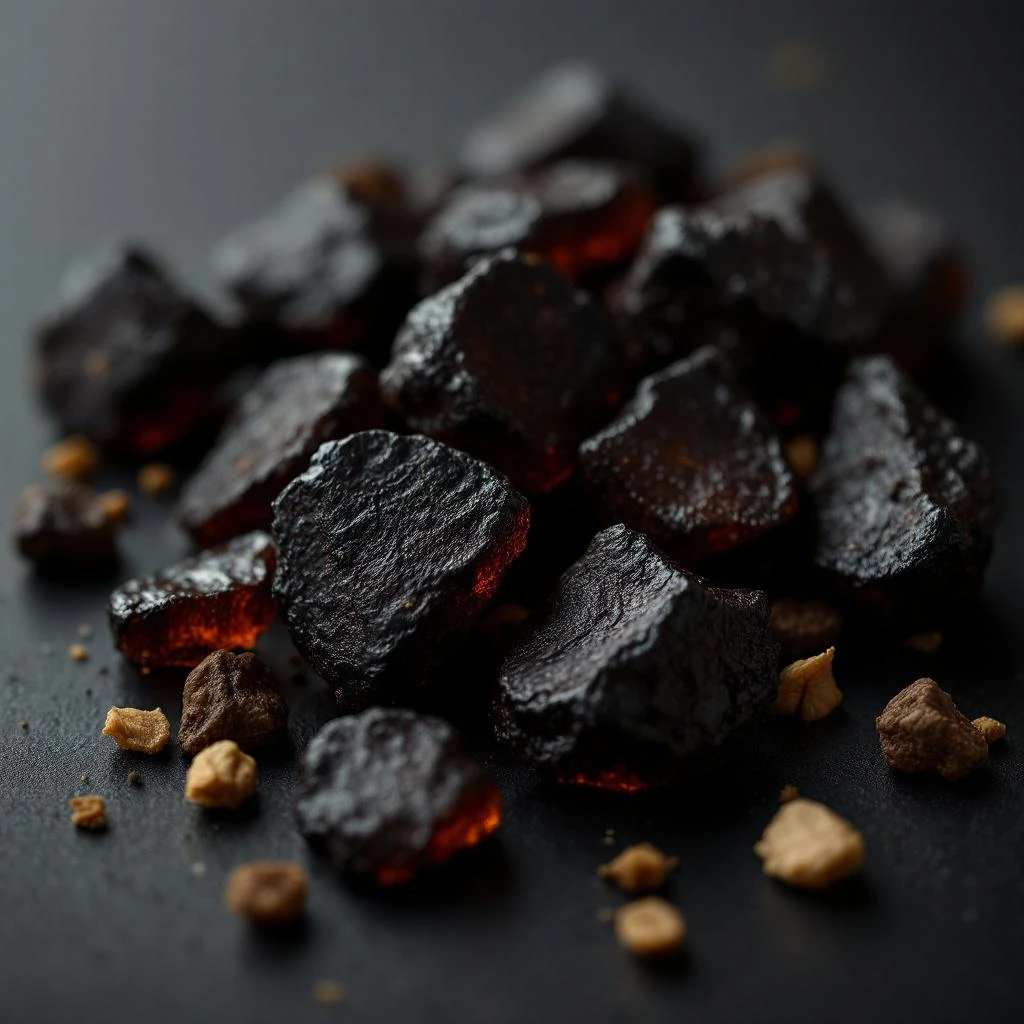
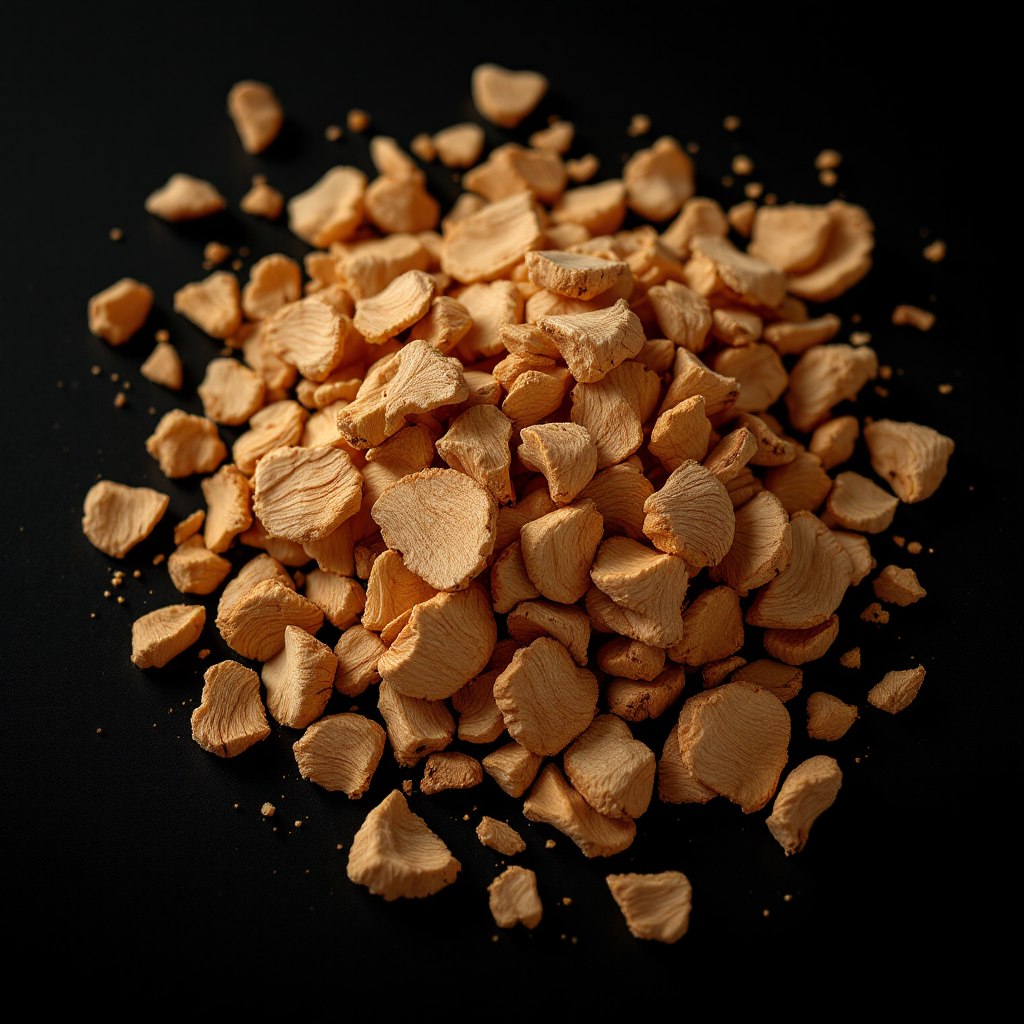
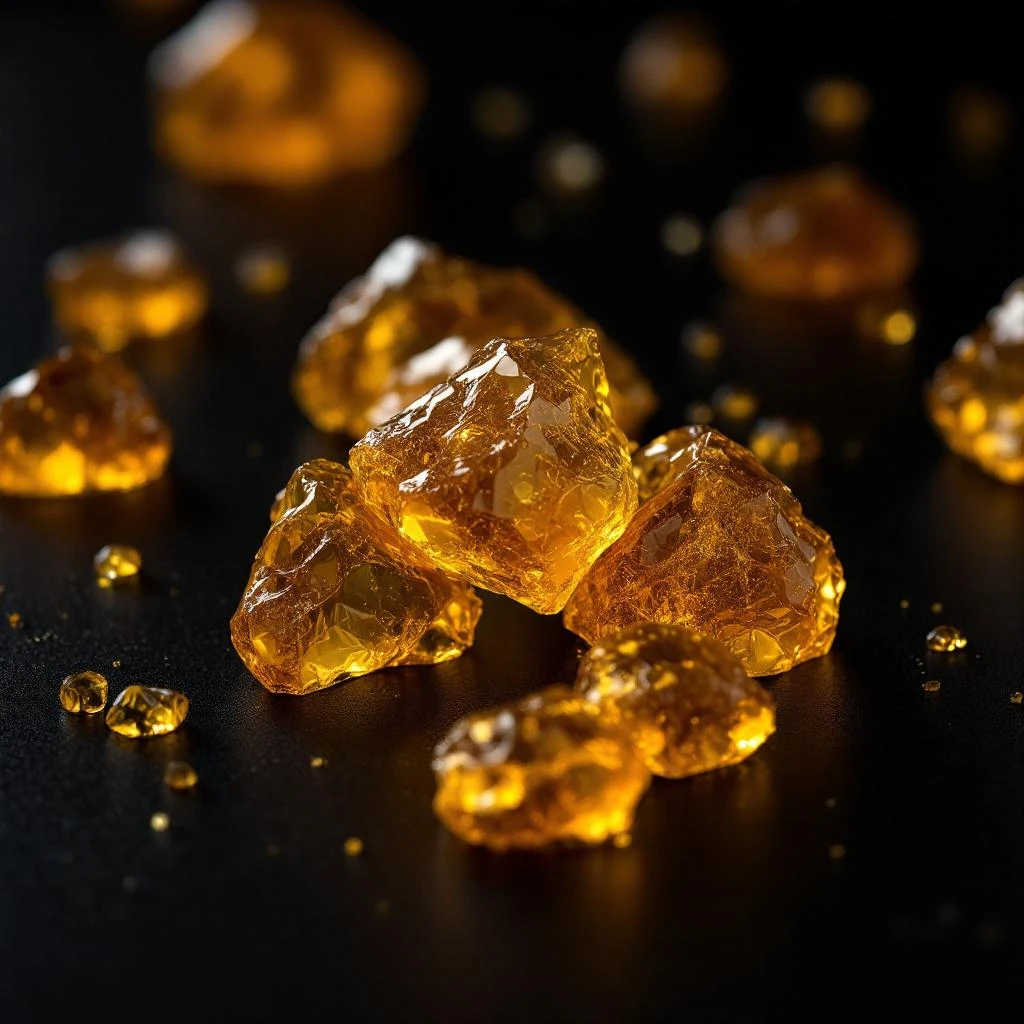
Walnut wood brings a warm, bittersweet darkness to perfumery. Its earthy undertones ground fragrances while a faint sweetness lingers, evoking the quiet richness of ancient forests. This underused material offers perfumers a distinct alternative to more familiar woody notes.
Character
How it smells
Bitter-sweet depth from the heart of the forest.
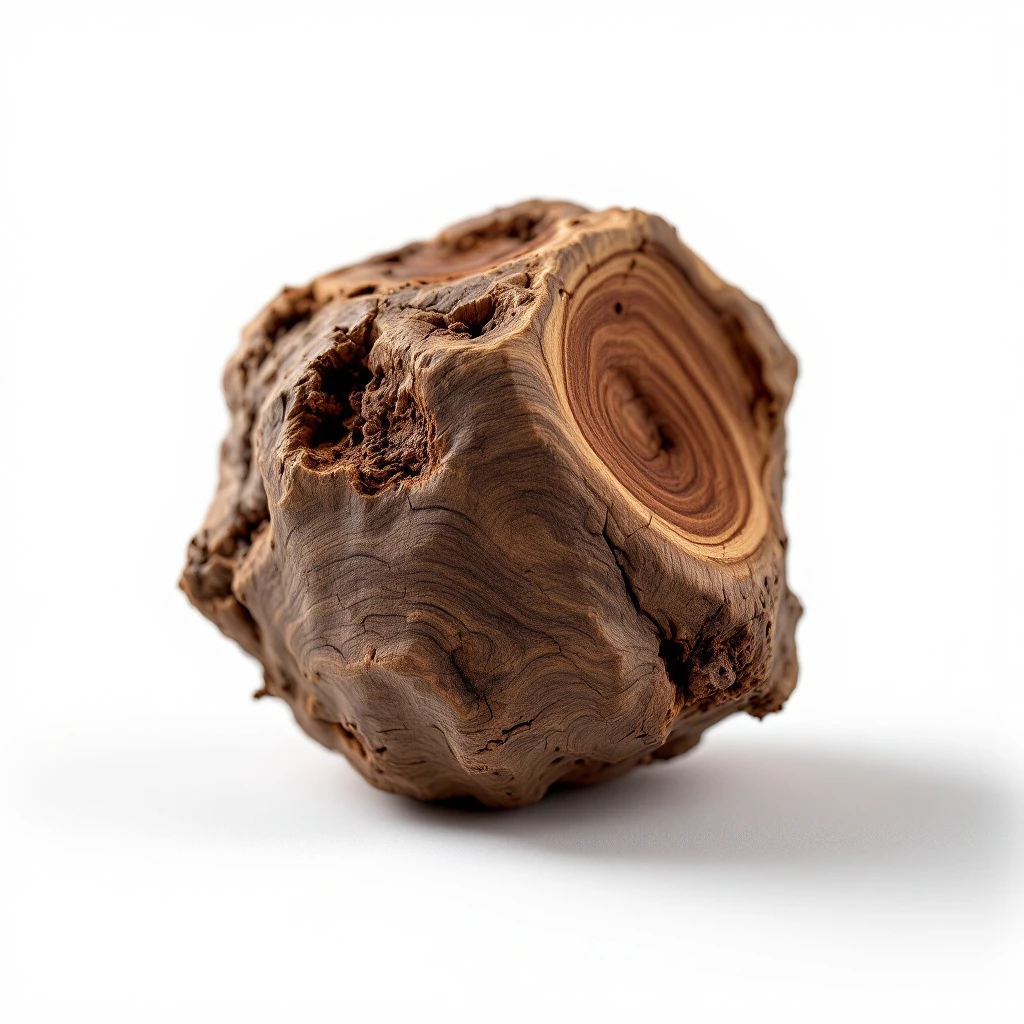
The walnut tree must grow for 20-25 years before it produces nuts with the dense, aromatic heartwood prized in fine perfumery.




Origin
China
The walnut tree ranks among the oldest cultivated trees on Earth, with evidence of human use dating back over 9,000 years to Neolithic sites in Central Asia. Ancient Persians and Greeks burned walnut wood as incense during ceremonial rites, recognizing its distinctive smoky sweetness long before perfumery existed as a formal craft. The Romans prized walnut wood for furniture and crafted elaborate chests from the timber, unknowingly releasing fragrant compounds as the wood aged.
During the Ottoman Empire, court perfumers began experimenting with walnut wood shavings as a base note, discovering that its natural bitterness balanced sweeter oriental ingredients. Today, walnut wood remains relatively rare in commercial perfumery, treasured by independent perfumers who seek unconventional woody materials that deviate from sandalwood and cedar conventions.
Wears it best
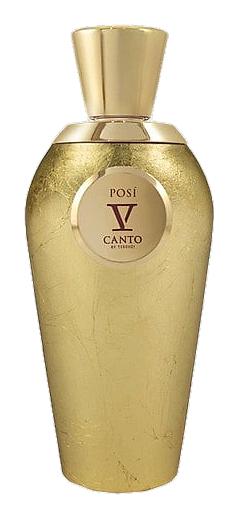
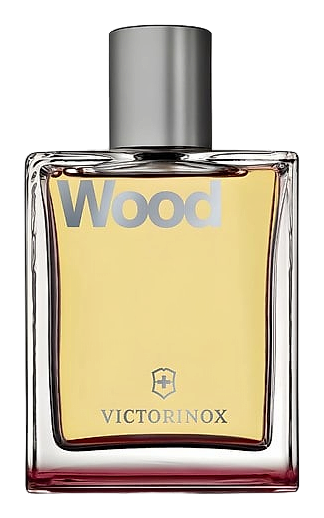
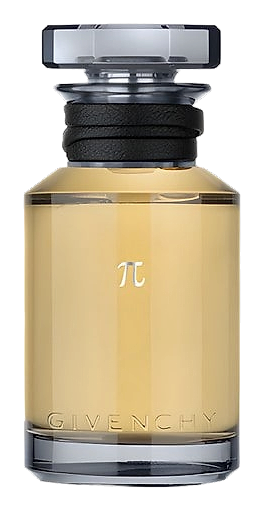
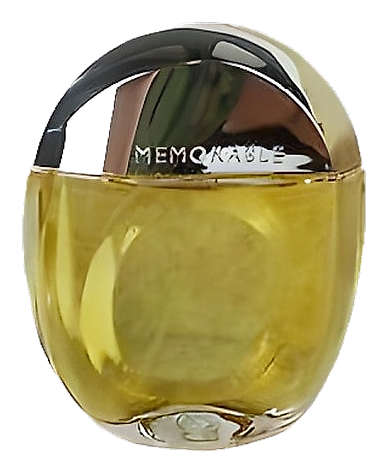
Fragrances featuring Walnut Wood
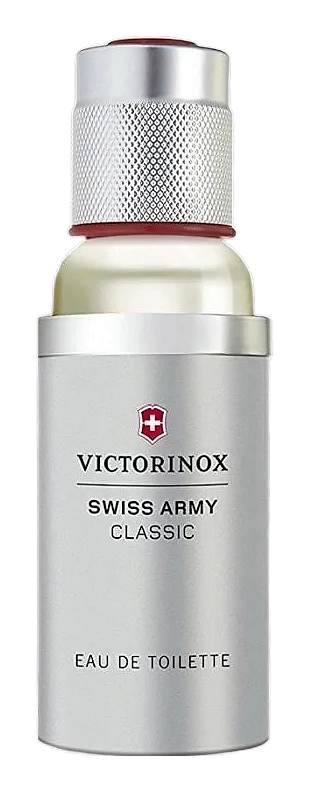
Brands
Brands known for Walnut Wood
Good to know
Questions, answered
The essentials on Walnut Wood in perfumery: how it smells, where it comes from, and how it behaves on skin.
What does walnut wood smell like?
Walnut wood smells warm and bittersweet with earthy, slightly smoky undertones. It carries a subtle sweetness reminiscent of dried fruit and nut kernels, balanced by dry, almost dusty wood character that creates depth without heaviness.
Is walnut wood used often in perfumery?
Walnut wood appears rarely in commercial fragrances, making it an unconventional choice. Most major houses prefer established woody notes like sandalwood or cedar, but independent perfumers increasingly seek out walnut for its distinctive character.
Is walnut wood natural or synthetic?
Walnut wood in perfumery typically comes from natural steam distillation of heartwood. The material is entirely plant-derived, though synthetic walnut-type aroma compounds exist for use when natural supply is limited.
What fragrances feature walnut wood?
Walnut wood functions primarily as a supporting note rather than a starring ingredient. It appears most often in niche fragrances that emphasize unconventional woody compositions, often paired with darker materials like oud or vetiver.
Where does walnut wood for perfumery come from?
China leads global walnut production, followed by the United States, Iran, and Turkey. The heartwood used in perfumery typically originates from these major producing regions, with quality varying based on tree age and growing conditions.
How long before a walnut tree is useful for perfumery?
Walnut trees require 20 to 25 years of growth before producing heartwood with sufficient aromatic density. This long maturation period contributes to the relative scarcity of walnut wood as a perfumery ingredient.
What extraction method produces walnut wood absolute?
Steam distillation of dried and chipped heartwood yields walnut wood absolute. The process requires months of wood preparation before distillation, with artisanal producers sometimes preferring CO2 extraction for superior aromatic fidelity.
What note family does walnut wood belong to?
Walnut wood belongs to the woody note family. It adds earthy depth and bittersweet warmth to fragrance compositions, working particularly well as a base note that grounds lighter top and heart elements.